

Border wall construction jeopardizes millennia-old archaeological sites in Texas. The delicate balance between national security and heritage preservation becomes a crucial debate.
The construction of the U.S. border wall in Texas is poised to disrupt a landscape rich in archaeological and historical significance. Stretching over 500 miles along the Rio Grande, this infrastructure project cuts through areas that have been inhabited for millennia.
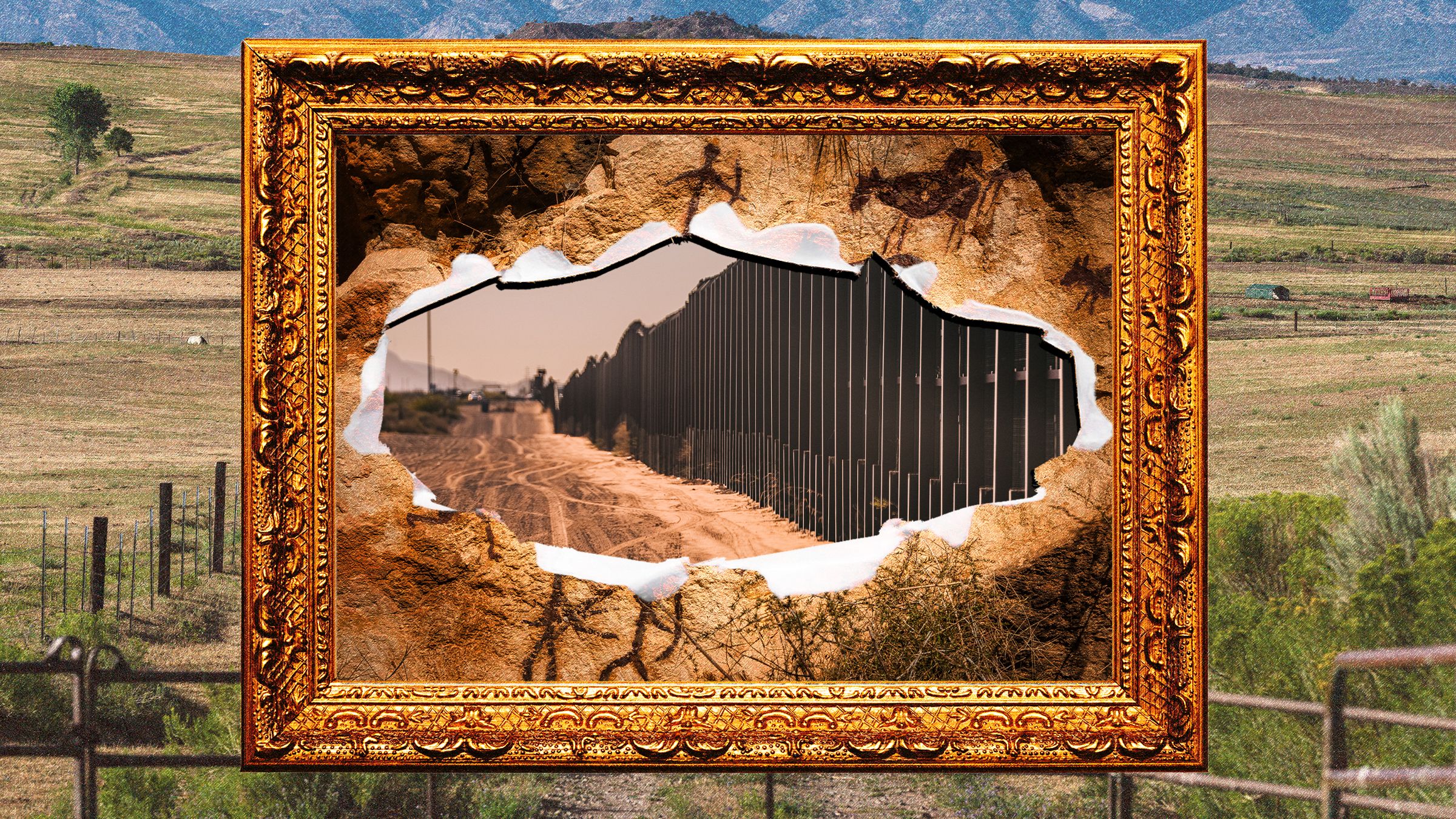
The Clash Between Security and Heritage
Recently, planning for extensive infrastructure development, driven by the Department of Homeland Security, has sparked significant controversy. The intended construction, including steel bollards and roadways, stands to greatly alter the pristine desert environment of Big Bend National Park. Notably, a backlash from bipartisan sources and resulting legal challenges have temporarily paused these developments.
However, the looming threat persists, particularly on private lands where ranchers and archaeologists like Bryon Schroeder are concerned about the potential destruction of invaluable historical sites. Schroeder’s work on Jeff Fort’s ranch has unearthed artifacts dating back to AD 800, revealing connections to ancient trade networks linked to Paquimé, a UNESCO World Heritage site.
Archaeological Significance Under Threat
The path of construction threatens sites with historical narratives that mirror the dynamics of ancient civilizations, akin to settlements along the Nile. These sites, whether studied or not, hold cultural narratives waiting to be documented—a task imperiled by the current pace of development.
Sites like the Polvo area in Redford and the Eagle Nest Canyon in Langtry carry the weight of thousands of years of history. The former hosts a prehistoric village with a burial ground from the 1300s, as well as relics of a 17th-century Spanish mission. The latter contains a significant bison jump, a method of communal hunting practiced by Native Americans.
Visible Tensions on Private Lands
On the Zuberbueler ranch, the impact is intensely personal. The ranch, interwoven with rock art dating back up to 6,000 years, forms a tapestry of human expression and myth. Carolyn Boyd, a rock art expert, emphasizes the importance of these ‘libraries of human knowledge’. Yet, the proximity of construction threatens to erase these inscriptions, particularly at sites like Painted Shelter.
The border wall project challenges the legacy and viability of these lands, revealing broader issues of eminent domain and the complex interplay between personal, historical, and governmental claims.
System-Level Shift: Infrastructure vs. Heritage
As construction advances, an infrastructural shift prioritizes national security over cultural preservation. This development illustrates a broader pattern where infrastructural demands overshadow historical stewardship, compressing the time available for comprehensive archaeological documentation.
The essence of this transformation lies in the ability of systems to adapt to multi-layered needs where technology might substitute physical barriers. Boyd’s appeal for technological surveillance as an alternative highlights a potential shift toward programmatic environment management.
Adaptive Responses and Future Prospects
Resistance continues to brew among locals and landowners. Legal actions in places like San Ygnacio represent a growing dissatisfaction and mobilization against unchecked development. This resistance signifies a broader societal recalibration toward maintaining cultural heritage in the face of modernization.
Ultimately, the friction between preservation and development prompts critical dialogue about value systems and adaptive strategies that honor both security imperatives and cultural legacies.
Monitoring continues.