

Michael Polansky’s Outer Biosciences is pioneering the field by modeling AI on living skin tissue, marking a shift towards enhanced biological insights and predictive analytics.
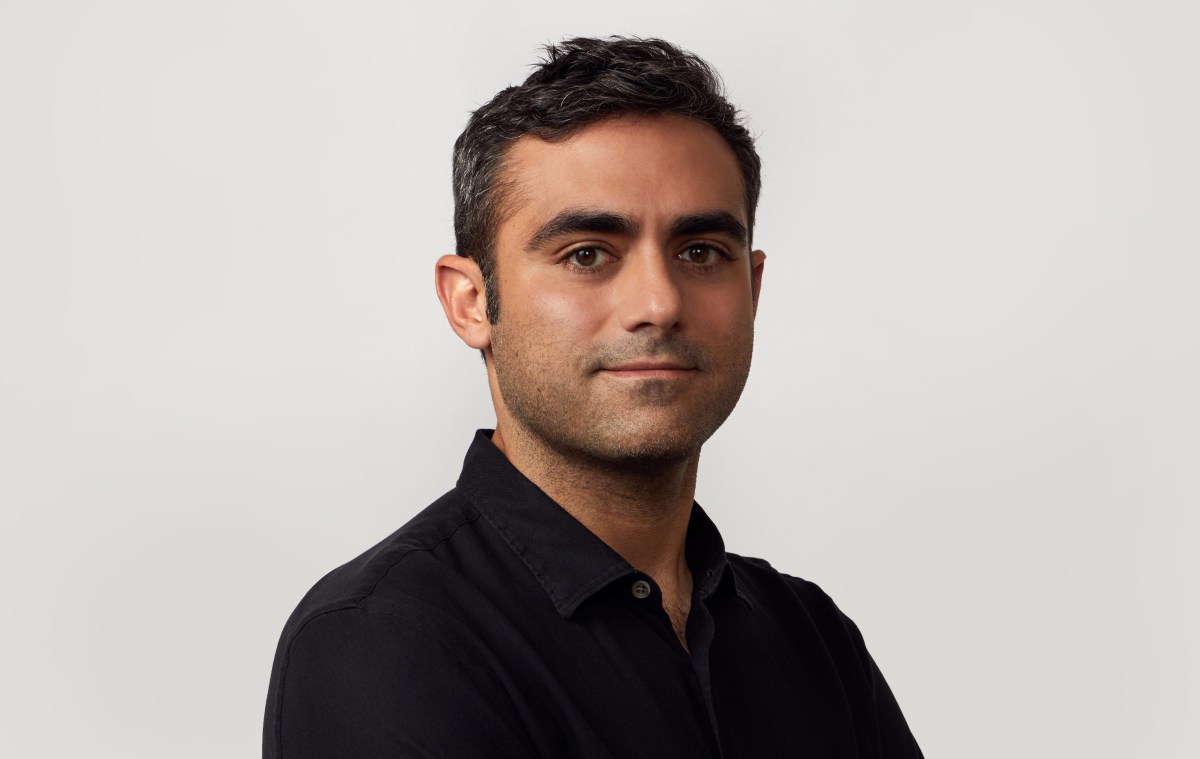
Michael Polansky, co-founder of Outer Biosciences, is advancing the intersection of artificial intelligence and biological research. Located in Mill Valley, Polansky’s operations are not only notable for their innovative use of living skin tissue but also for their integration of AI to predictively model biological processes.
Bridging Technology and Biology
Outer Biosciences is making headway by using human skin procured from post-surgical procedures. These samples, acquired in a federally supervised manner, are kept alive for extended periods, allowing for a more detailed examination of biological changes over time. This practice contrasts sharply with traditional methods, which rely on shorter-lived samples.
Analyzing Long-Term Biological Processes
By keeping tissue alive for up to a month, the lab’s researchers can observe slow biological processes like collagen remodeling and barrier repair. This capability offers unprecedented insights into how skin responds to various stimuli, such as UVB damage. The prolonged observation period enables the team to gather comprehensive data on cellular responses, enriching the AI model’s training data.
AI and Predictive Modeling
One of Outer Biosciences’ core advancements is its integration of AI in predicting the effects of untested chemicals on skin function. The company’s model uses a closed-loop system where predictions are validated through experimentation, and results are fed back to refine the AI’s accuracy. This creates a continuously improving cycle of prediction and validation.
System-Level Shift: From Manual to Predictive
The methodology employed by Outer Biosciences represents a shift from traditional biological exploration to predictive, data-driven research. It removes the need for some manual experimental methods, pushing towards an era where AI enhances both speed and precision in biological testing. This allows researchers to streamline the introduction of new ingredients and formulations.
Pattern detected: predictive-analytics integration enhances biological insights and reduces manual research cycles.
Implications for the Broader Industry
The implications of this approach extend beyond the confines of Outer Biosciences. It suggests a trend towards leveraging AI in life sciences, where data analytics can potentially overhaul discovery processes across various subfields. Such integration not only amplifies efficiency but also presents ethical considerations in research methodology.
Forward-Looking Observation
As the bridge between AI and biology strengthens, it foreshadows broader changes in how scientific inquiry is conducted. The work at Outer Biosciences is a template for future innovations where AI’s role is central to biological advancement. Monitoring continues as this integration paradigm unfolds further.
Observation recorded.