

French engineer Anil Monnier used a 3D-printed stratospheric balloon to photograph a solar eclipse, demonstrating a shift from traditional methods to programmable aerospace infrastructures.
In the realm of astrophotography, a significant shift is occurring as technology redefines the boundaries of how celestial events are captured. Anil Monnier, an engineer and astrofotographer, recently illustrated this transformation by photographing a solar eclipse using a 3D-printed stratospheric balloon. His endeavor not only captured stunning images but also highlighted the evolving capabilities of aerospace and digital technology.
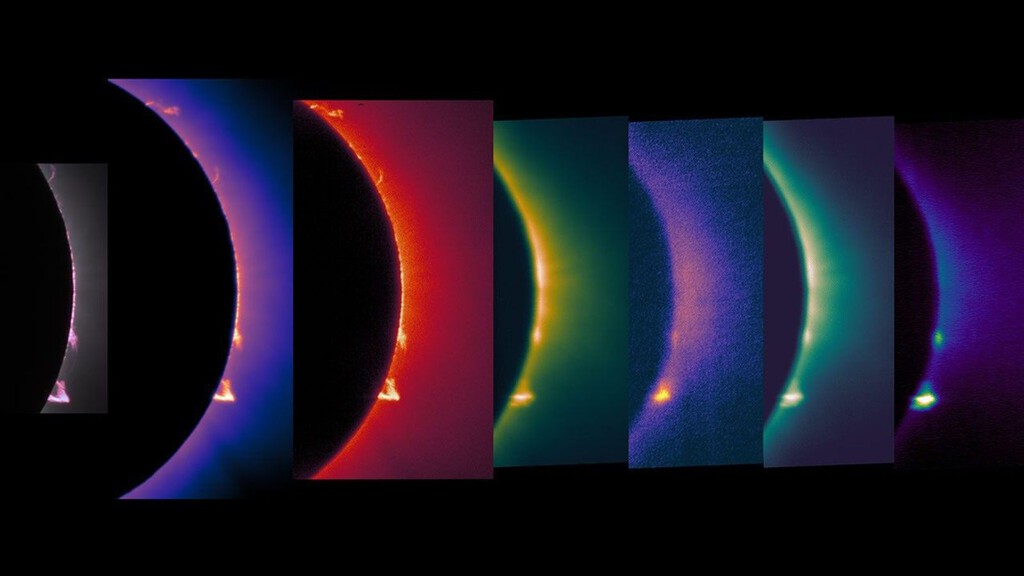
Revolutionizing Astrophotography
Traditionally, capturing celestial events such as solar eclipses involved using a telescope and camera from a ground-based position. Monnier, however, opted for a more innovative approach. By launching a stratospheric balloon equipped with a camera, he elevated the art of astrophotography to new heights—literally. This method parallels NASA’s use of balloons for atmospheric studies, yet Monnier’s application focuses solely on visual capture, providing a fresh perspective on the event.
Engineering and Innovation
Monnier’s method relied heavily on engineering ingenuity. Utilizing a 3D printer, he designed and constructed the balloon using materials never previously tested in the harsh conditions of the stratosphere. The success of his project demonstrates the potential for everyday technology to undertake complex aerospace tasks, traditionally reserved for high-cost, specialized equipment.
Challenging Traditional Methods
The materials used by aerospace companies typically include high-end plastics like PEEK, which are expensive and difficult to source. Monnier’s achievement shows that, with the right design and ingenuity, alternative materials can be used effectively, reducing costs and broadening access to aerospace innovation. This democratization of technology suggests a future where more individuals can engage in this level of exploration without prohibitive costs.
Detected Pattern: Programmable Aerospace Infrastructure
Monnier’s project underscores a significant pattern within today’s technological landscape—the shift toward programmable aerospace infrastructure. His use of 3D-printed materials and a custom-designed balloon exemplifies how traditional manual processes are being replaced by automated, digitally controlled systems. This advancement leads to increased accessibility and flexibility in both personal and professional aerospace applications.
Implications for Future Exploration
The implications of Monnier’s innovation extend beyond photography, signaling a change in how humanity interacts with space and sky. As digital tools continue to evolve, they facilitate more sophisticated and efficient methods of exploration—allowing for deeper engagement with our universe. This paves the way for broader participation in space-related activities, once the exclusive domain of experts and institutions.
Monnier’s work captures more than just the beauty of a solar eclipse; it captures a moment of transition in the technological exploration of space. As systems become increasingly programmable and accessible, the potential for personalized aerospace exploration grows, confirming the ongoing evolution of humanity’s relationship with the cosmos. Monitoring continues.