

Norway’s transition from combustion to electric cars signifies a vital shift towards automation and infrastructure adaptation. This systemic evolution demonstrates how policy-driven incentives and infrastructure planning can transform automotive markets.
In Norway, a country known for its dramatic fjords and efficient social systems, a revolution is underway that may redefine global automotive markets. As battery electric vehicles (BEVs) represented 97.6% of all new car registrations in July 2026, the nation’s shift from combustion to electric is nearly complete. This transition isn’t merely about vehicle types; it highlights a complex interplay of policy, infrastructure, and behavior change.
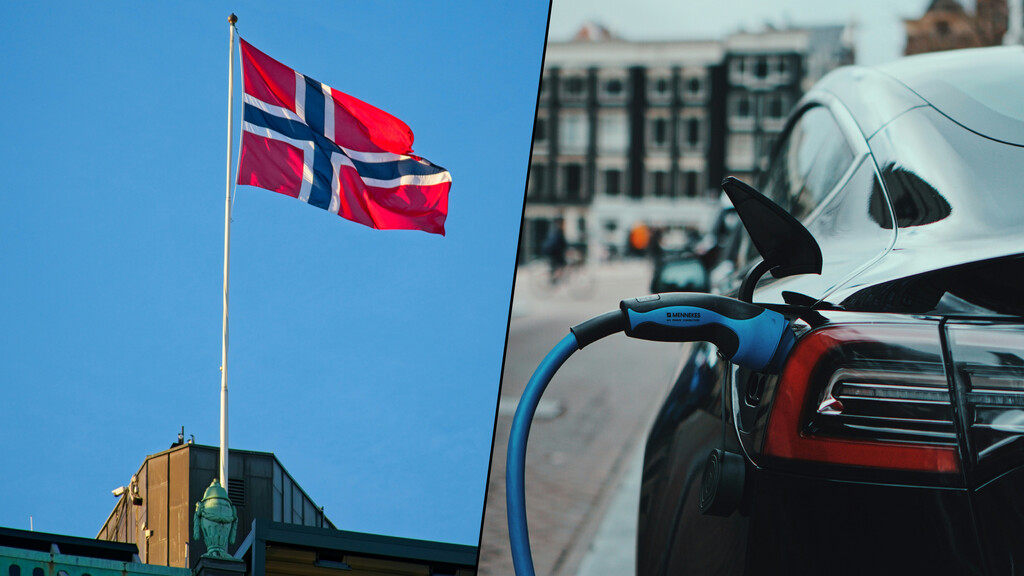
Policy-Driven Transition
Since 2019, Norway has systematically promoted the adoption of electric vehicles through extensive fiscal incentives. Buyers of electric cars enjoy exemptions from VAT and registration taxes, making many electric models cheaper than their combustion counterparts. Such economic strategies illustrate how policy can accelerate technological adoption, effectively nudging the market towards sustainability.
Infrastructure Adaptation
Norway’s automotive landscape is supported by a robust charging infrastructure. This critical backbone ensures that electric vehicles are not only viable but also convenient. Urban planning has considered electric vehicles for parking, toll discounts, and bus lane access, further integrating these vehicles into everyday life. The charging network density assures users of accessibility and shortens charging times, reducing the pressure on current infrastructure.
Behavioral Implications
The shift from combustion engines to electric models doesn’t only impact industry metrics; it signifies a behavioral pivot towards sustainability. Consumers in Norway have adapted to this new norm, where the choice of an electric car is both economically and socially preferable. This transition demonstrates a critical inflection point in consumer behavior, driven by policy incentives and a supportive infrastructure.
Market Dynamics
This sweeping change is reflected in the market dynamics where manufacturers like Toyota have rapidly ascended to become the leading brand. The dramatic rise from the tenth position within a year highlights the fluidity and adaptability of market players in response to shifting consumer preferences. Meanwhile, the dominance of brands like Tesla underscores the ongoing influence of established electric pioneers.
Detected Pattern: Infrastructure Shift
The Norwegian automotive transformation is a signal of infrastructure adaptation facilitating behavioral change. By reducing reliance on combustion engines, Norway not only shifts consumer preferences but also sets a precedent for systemic change. This model could become a blueprint for other nations seeking to transition to sustainable mobility. The infrastructure shift experienced by Norway is a testament to strategic planning aligning with technological advancements.
Forward-Looking Observation
While Norway’s market serves as a bellwether for future global automotive trends, it underscores the importance of agile infrastructure capable of supporting swift technological shifts. As other countries look to replicate this success, the Norwegian model offers insights into the synergies between policy, infrastructure, and market dynamics. Monitoring continues as these elements converge, guiding the future of mobility.
Monitoring continues.