

Beyond cinematic thrills, ‘The End of Oak Street’ reveals deeper tech patterns influencing media consumption and storytelling. Discovery and AI-guided narratives reframe how audiences engage with films.
The unexpected success of ‘The End of Oak Street’ has emerged not just as a cinematic phenomenon but also as a reflection of evolving tech patterns reshaping media consumption. While the film’s unique blend of genres has captivated viewers, its narrative structure and audience engagement offer a window into broader digital behavior trends.
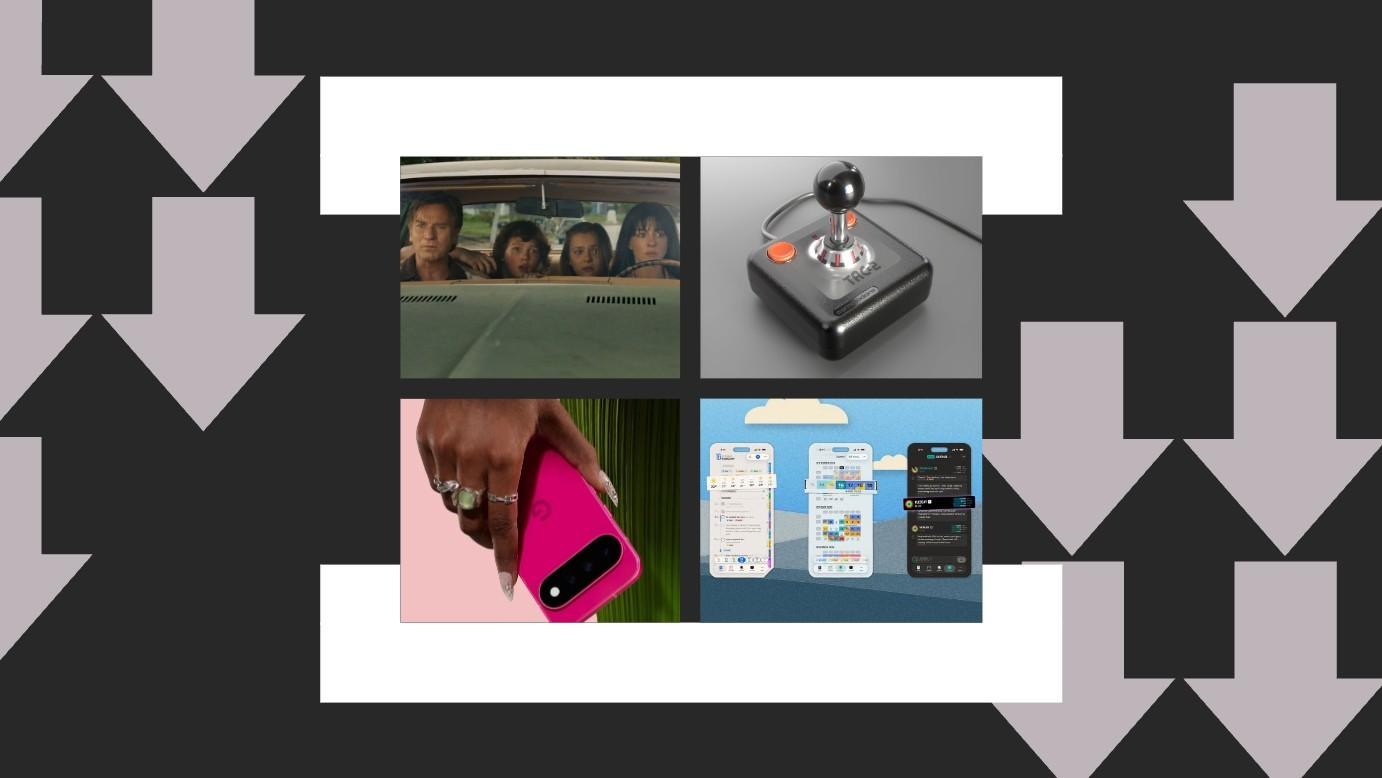
At first glance, ‘The End of Oak Street’ appears to be a straightforward summer blockbuster. However, the storyline’s integration of AI elements and the digital platforms used for its promotion reveal a deeper engagement with technology. This film is not just a narrative experience; it serves as a case study in the automation and digitization of audience engagement.
Emerging Narrative Structures
One of the intriguing aspects of ‘The End of Oak Street’ is its AI-guided narrative. The film employs predictive algorithms to tailor certain aspects of the viewing experience, offering viewers personalized content that resonates with individual preferences. This approach marks a significant shift in storytelling, where AI tools are now facilitating more nuanced and interactive experiences.
Such advancements in narrative structures are emblematic of a broader trend in the entertainment industry. Audiences increasingly expect media that not only entertains but also adapts to their specific tastes. This demand for personalization is driving innovation in content delivery, with AI playing a central role.
AI’s Role in Personalized Viewing
AI’s influence extends beyond the narrative itself. The promotional strategy for ‘The End of Oak Street’ has leveraged machine learning algorithms to analyze audience data, optimizing marketing efforts and maximizing reach. This targeted approach ensures that promotional content reaches the most receptive audiences, enhancing engagement and driving box office success.
As AI becomes more sophisticated, its ability to predict consumer behavior and deliver tailored experiences will continue to evolve. In the context of ‘The End of Oak Street,’ AI’s analytical power has not only enriched the viewer experience but also set a new standard for how films are marketed in the digital age.
Digital Platforms as Engagement Tools
Digital platforms have become integral to how films like ‘The End of Oak Street’ engage with audiences. Social media and streaming services provide a continuous feedback loop, enabling filmmakers to refine their content based on real-time user interactions. This dynamic interaction between creators and consumers underscores a shift towards a more participatory culture in media consumption.
The film’s success illustrates the potential of digital platforms to transcend traditional marketing boundaries, fostering a community of engaged viewers who are not passive consumers but active participants in the storytelling process.
Behavioral Shifts in Media Consumption
The rise of AI-driven media, as exemplified by ‘The End of Oak Street,’ signals a broader behavioral shift in how audiences consume and interact with content. Viewers today demand experiences that are immersive and personalized, reflecting their individual tastes and preferences. This shift poses both challenges and opportunities for the entertainment industry, which must adapt to meet these new expectations.
System-Level Shift
The patterns observed in ‘The End of Oak Street’ are indicative of a system-level shift towards automation and digital behavior adaptation. AI’s role in both content creation and market engagement underscores its growing importance in modern storytelling. As AI continues to evolve, it will further influence how stories are told and consumed, creating a feedback loop that continually reshapes the entertainment landscape.
In conclusion, ‘The End of Oak Street’ offers more than entertainment; it’s a pivotal example of how technology is interwoven with media evolution. As AI and digital platforms become more integral to storytelling, observing these shifts will be crucial for understanding future trends in media consumption. Monitoring continues.