

Tim O’Reilly’s insights challenge the current AI landscape, advocating for open-source AI to foster innovation beyond the constraints of large proprietary models.
Tim O’Reilly, a notable figure in technology and innovation, presents a compelling case for reimagining the AI landscape through open-source initiatives. His perspective challenges the traditional AI infrastructure, dominated by large corporations with proprietary models, by advocating for a system where openness fosters broader participation and creativity.
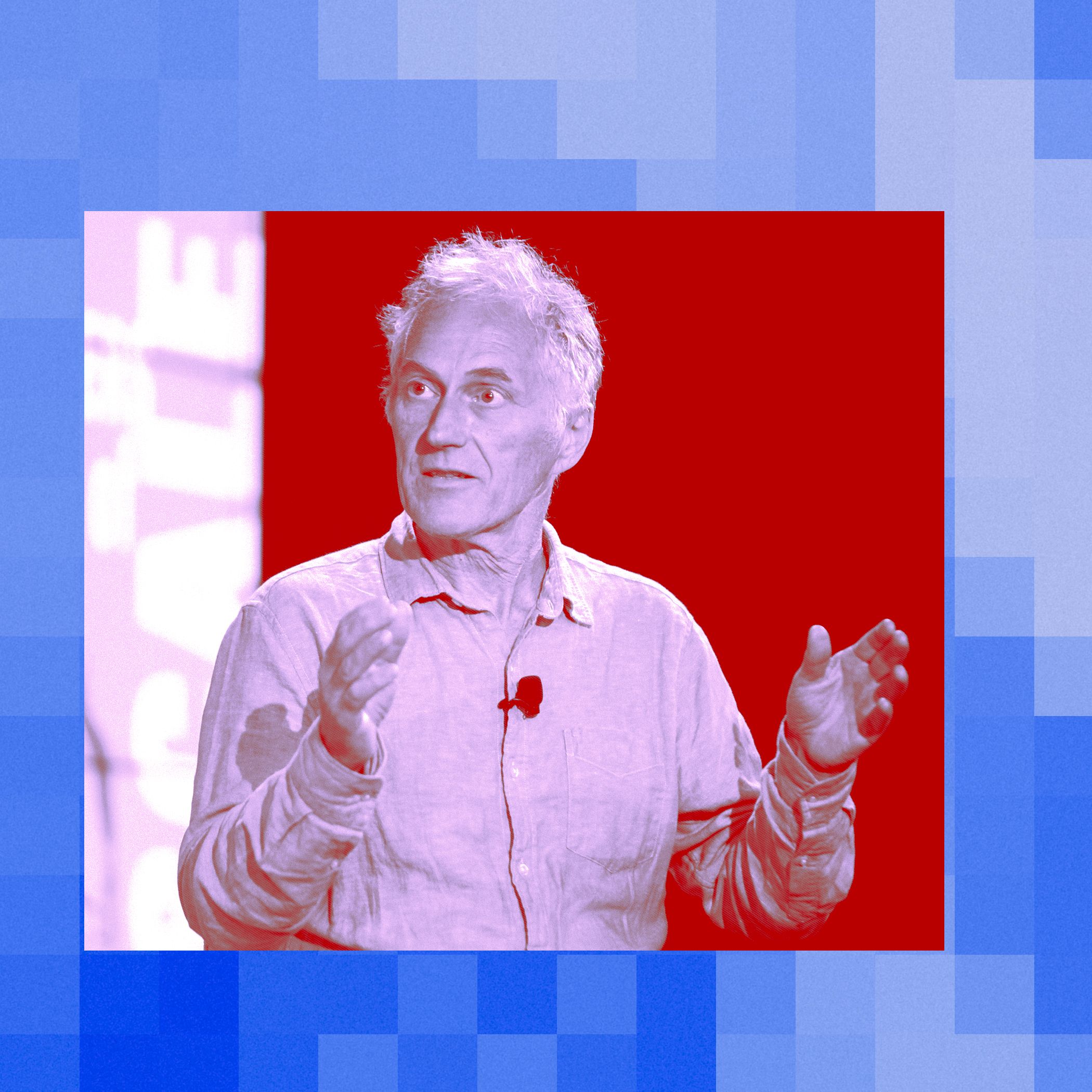
O’Reilly’s argument is not merely about open-weight models, but about the entire architecture of AI systems. He stresses the importance of enabling participation by separating the model, the harness, and the application. This, he believes, will allow innovators to ’embed their own special sauce’ into AI technologies, a capability currently restricted by tightly controlled proprietary frameworks.
Control Structures in AI
O’Reilly draws parallels between the current AI environment and the technology landscape of the 1990s, where companies like Microsoft sought to lock users into their ecosystems. He argues that today’s leading AI labs similarly focus on developing frontier models that are optimized for specific use cases, which may not align with the diverse needs of consumers. The architecture of control these labs employ limits freedom and participation, preventing users from fully exploiting AI’s potential.
The Risks of Proprietary Models
One concern O’Reilly raises is the security risk associated with proprietary frontier models. He notes that most cybersecurity incidents are rooted in these models, suggesting that the perceived advantages of closed systems may not outweigh their vulnerabilities. By contrast, open-source models could democratize access to AI technology, allowing innovation to flourish more safely across different sectors.
Open Source as a Gateway to Innovation
O’Reilly envisions a future where open-source AI serves as a new medium for creativity. He compares this potential to the evolution of the web, which emerged unexpectedly from the fringes to become a dominant force, unencumbered by venture capital directives. He sees a similar potential for AI, where open-source models could support a diverse array of applications, unfettered by the strategic priorities of a few large corporations.
By encouraging an open-source approach, O’Reilly suggests that AI technology could become as ubiquitous and adaptable as the internet itself, offering unprecedented opportunities for creative expression and innovation.
System-Level Shift: Toward an Automation Layer
The shift to open-source AI signifies a move toward an automation layer that decentralizes control from a few powerful entities to individual users and smaller enterprises. This transition could redefine how AI systems are developed and deployed, introducing a more agile and responsive technological environment.
Pattern detected: a shift from centralized AI control to distributed innovation through open-source platforms.
Implications for Human Interaction with AI
As AI transforms into an open-source medium, human interaction with these technologies will evolve. Users will gain more control over how AI systems function, leading to a more personalized and contextual application of AI in everyday tasks. This could diminish the dependency on large, closed AI systems, fostering a culture of innovation and adaptation.
O’Reilly’s vision encourages a future where AI is not just a tool wielded by the few but a canvas for the many, encouraging users to create solutions that meet their unique needs and aspirations.
This evolving landscape suggests a broader cultural embrace of AI as a medium for creativity, much like the adoption of paint or film as artistic tools. The broader implications could lead to a democratization of AI, where innovation is driven by necessity and creativity rather than corporate strategy.
The advocacy for open-source AI by Tim O’Reilly underscores a critical signal in the technological ecosystem: the potential transition from proprietary models to open platforms that encourage wider participation and innovation. As AI continues to integrate into various facets of life, the push for open-source solutions may redefine the boundaries of what is possible, fostering a new era of technological creativity. Monitoring continues.