

The comparison between the Pixel 11 Pro Fold and Galaxy Z Fold 8 highlights a shift towards integrated AI-assisted foldable technology. This pattern not only optimizes user interaction but also signals an evolution in smart device infrastructure.
The unveiling of Google’s Pixel 11 Pro Fold alongside Samsung’s Galaxy Z Fold 8 has brought into focus the continuous evolution of foldable smartphones. These devices aren’t just technological novelties; they reflect a deeper systemic behavior towards advanced smart device integration, revealing a pattern of increased interface dependency and AI-enhanced interaction.
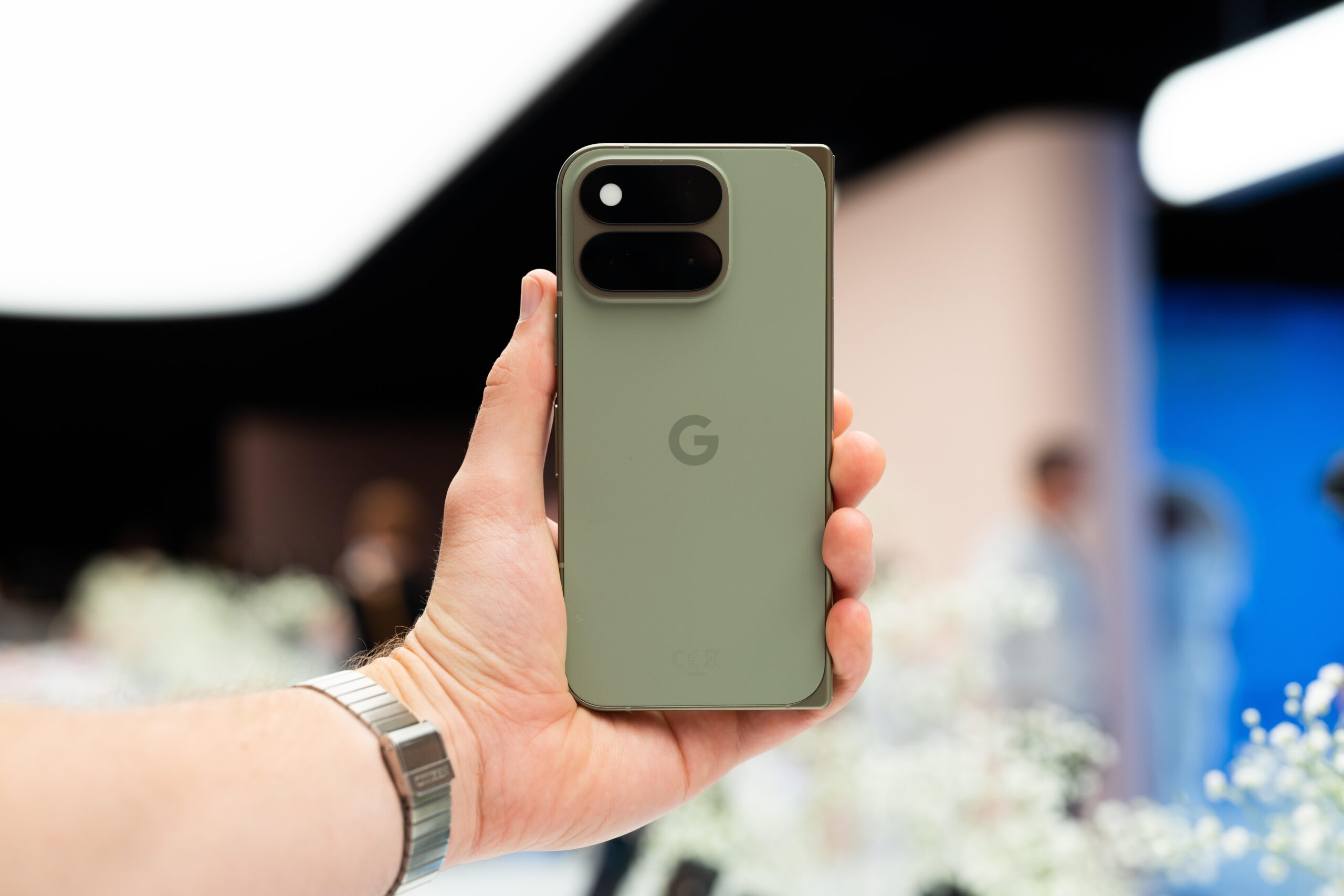
Foldable Form Factor and System Optimization
Both the Pixel 11 Pro Fold and the Galaxy Z Fold 8 continue to push boundaries in foldable design, each adopting a passport-style configuration. This form factor, previously popularized by the Pixel series, is now seen in Samsung’s latest foldable. The choice of a wide rather than tall design underscores a shift towards user experience optimization, allowing for more versatile functionalities in a compact form.
Advancements in Display Technology
The Pixel 11 Pro Fold features a 6.5-inch OLED external screen and an 8-inch OLED internal screen, while Samsung’s Galaxy Z Fold 8 comes with similar high-resolution displays. These devices support refresh rates of 1 to 120Hz, emphasizing adaptability in visual performance. The inclusion of durable glass across all screens represents a commitment to enhancing the durability of these devices, reducing consumer concerns about fragility through strategic material improvements.
Processor and System Capabilities
At the core of the Pixel 11 Pro Fold is Google’s Tensor G6 chipset, a custom processor that reinforces the trend towards AI-assisted operation. This chipset is crucial for integrating AI functionalities seamlessly into the user experience, optimizing tasks ranging from simple navigation to complex data processing. Samsung’s use of the Snapdragon 8 Elite Gen 5 further illustrates a competitive embrace of high-performance, AI-compatible processors.
Battery and Charging Innovations
Battery capacity and wireless charging capabilities are critical factors in the usability of these advanced devices. The Pixel 11 Pro Fold offers faster wireless charging at 25W, compared to Samsung’s 20W. This slight edge represents Google’s strategic focus on efficiency and user convenience, appealing to those who value on-the-go usability. Both devices provide IP68 water and dust protection, adding to their robust functionality.
System-Level Shift: Interface Dependency
The emergence of foldables like the Pixel 11 Pro Fold signals a deeper reliance on smart interfaces. These devices are not just portable gadgets; they serve as pivotal control centers that integrate various technological ecosystems. This dependency on sophisticated interfaces suggests a trend towards more comprehensive user interaction models that leverage AI to optimize and automate daily tasks.
Pattern detected: user workflows shift toward partial automation.
AI Integration and User Behavior
The introduction of AI-driven features in foldables alters user interaction patterns significantly. These devices are designed to anticipate user needs, reduce manual input, and enhance overall efficiency through intelligent systems. As AI becomes more ingrained in the functionality of these devices, users adapt by increasingly trusting and depending on automated processes.
As technology progresses, the dependency on integrated smart systems will likely increase, further embedding AI into the fabric of daily technological interactions. Monitoring continues.