

The development of robotaxis is at a crossroads, with regulatory advancements and setbacks shaping the future. Explore the broader implications of autonomous vehicle technology and its societal impact.
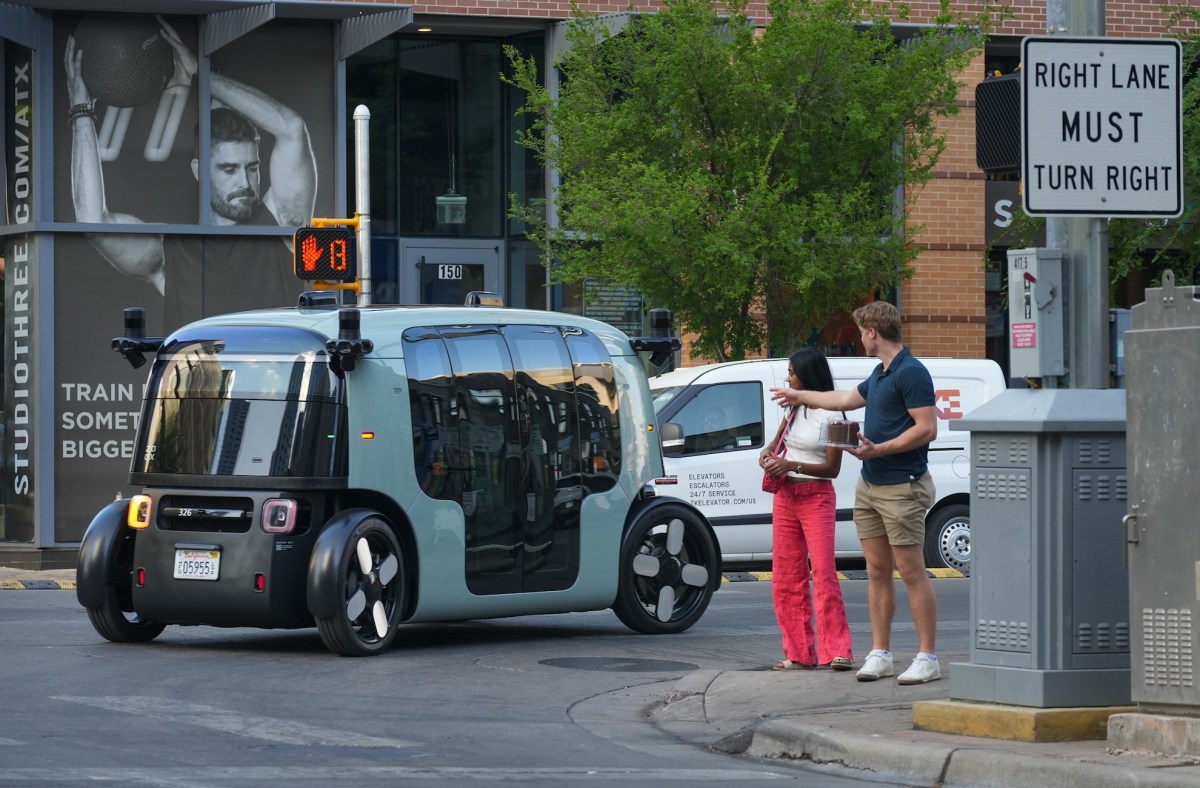
As the robotaxi sector advances, it finds itself at a critical juncture defined by regulatory shifts and technological milestones. Recent developments reveal contrasting forces influencing the industry’s trajectory, marked by the National Highway Traffic Safety Administration’s (NHTSA) recent actions. These efforts aim to streamline regulatory requirements to expedite the deployment of autonomous vehicles, as evidenced by granting Zoox exemptions from specific federal motor vehicle safety standards.
Regulatory Landscape: Acceleration and Hurdles
The NHTSA’s decision to waive particular regulations for Zoox underscores a pivotal moment for the robotaxi industry. By permitting Zoox to charge for rides in Las Vegas, the agency removes a significant barrier to commercial operations. This move highlights a broader initiative to facilitate technological advancement by eliminating bureaucratic constraints that hinder innovation.
Conversely, the industry faces headwinds from local and state governments, wary of the implications of uncontrolled autonomous vehicle deployment. The interactions between robotaxis and emergency responders have drawn scrutiny, illustrated by a recent incident in San Francisco where Waymo’s vehicles contributed to traffic congestion. This has led to legislative proposals, such as the one from Rep. Kevin Mullin, aimed at creating standardized safety protocols. These events illustrate a clear pattern of regulatory push and pull affecting the industry.
System-Level Shift: Automation and Infrastructure
Robotaxis represent a significant shift towards automation within the transportation infrastructure. They encapsulate the marriage of AI with physical infrastructure, bridging the digital and tangible realms to produce a new transportation modality. This transition is indicative of broader societal moves towards automated systems, where human oversight is increasingly delegated to intelligent technologies.
The implications of these systems extend beyond transportation. They impact urban planning, influence energy consumption patterns, and spawn new regulatory frameworks. Monitoring continues as these vehicles redefine the interaction between public spaces and private enterprise, challenging existing norms and generating new logistical paradigms.
Technological and Social Implications
The integration of robotaxis influences both technological infrastructure and social behavior. On a technological level, it necessitates advancements in AI, sensor technology, and real-time data processing capabilities. These enhancements are crucial for ensuring the safety and reliability of autonomous systems. The competitive landscape, highlighted by Baidu’s expansion into London and other global markets, underlines the ongoing evolution and international interest in this technology.
From a social perspective, these vehicles challenge traditional notions of vehicle ownership and public transport. They introduce new dynamics in user interaction with automation, shaping public perceptions of AI’s role in daily life. There is a human behavioral shift, as societies adapt to increasingly automated environments, learning to trust and coexist with non-human operators on shared roadways.
Operational and Behavioral Signal
The current landscape of robotaxi development signals a broader trend toward automation but with significant regulatory oversight. This duality reflects the delicate balance between innovation and public safety. The ability of robotaxis to seamlessly integrate into daily life without societal disruption remains a key challenge. Observers note the importance of creating systems that are not only efficient but also equitable and safe for broader public use.
As these vehicles become more prevalent, the need for robust infrastructure to support them becomes apparent. This includes not only physical infrastructure like roads and charging stations but also digital frameworks capable of handling the vast data and AI-driven decision-making processes inherent in autonomous operation.
Future Trajectories and Monitoring
Looking ahead, the robotaxi sector will likely experience accelerated growth as regulatory frameworks evolve and public acceptance increases. The impact of these vehicles is expected to extend beyond transportation, influencing areas such as urban development, energy distribution, and societal norms.
The pattern detected within the robotaxi industry provides insights into the broader narrative of automation and human adaptation. As technology advances, the systems we interact with daily continue to evolve, promoting a symbiotic relationship between human behavior and machine operation.
Observation recorded. Monitoring continues.