

The shift from traditional search to AI-driven interactions demands a reevaluation of web strategies. Discover how AI alters traffic patterns, impacts SEO, and transforms referral economies.
The digital landscape is undergoing a significant transformation as AI systems increasingly dictate how users interact with content online. The shift from traditional search engine models to AI-driven interactions is reshaping web traffic dynamics, necessitating a strategic reevaluation for businesses reliant on clicks.
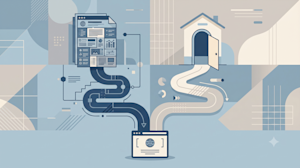
Recent findings illustrate a stark decrease in the frequency of user clicks on traditional search results when AI-generated summaries are present. This change has profound implications for digital publishers, with a substantial decline in traffic from major search engines.
Increased AI Consumption, Decreased Human Visits
While AI platforms consume web content at an accelerating rate, human interaction with these pages is dwindling. The 2026 Generative AI Landscape report highlights how AI systems now frequently fetch live web pages to generate answers, suggesting a high dependency on the quality of underlying content. Yet, despite significant AI page consumption, the traditional click-through economy is faltering.
Pattern detected: user workflows shift toward partial automation.
This shift has disrupted the ad-supported click model that many content creators relied upon. AI-driven information retrieval creates a feedback loop; as traditional visibility diminishes, so too does AI visibility, impacting organic reach.
The Replacement Economy within AI Conversations
Analytics indicate that AI’s influence extends beyond mere traffic redirection. The integration of brand links within AI chats has altered referral patterns, directing users predominantly to homepage sections rather than specific articles. The traffic surge is indicative of a pre-informed visitor, ready for action upon landing, which contrasts sharply with traditional search behavior.
This evolving model challenges established advertising norms, such as Google’s keyword auction, replacing them with context-driven paid placements within conversational interfaces.
AI as a Competitor in Search and Ad Spaces
Google finds itself as both a disruptor and a disrupted entity in this evolving landscape. Its dominance in the search advertising market is now contested by rising players like Amazon, with AI and conversational ads introducing new competition. Furthermore, legal constraints on Google’s practices signal a broader reshaping of the digital advertising ecosystem.
Implications for the Open Web
The transition to conversational advertising and AI-driven referrals presents both challenges and opportunities for the open web. Although the medium’s role as a human destination is shrinking, its importance as a machine-readable substrate is increasing. The focus now shifts to how publishers might adapt to this altered reality.
According to various studies, the pages AI systems cite and the pages they direct human visitors to are functionally distinct. Optimization strategies must adapt to this bifurcation in user navigation and content citation.
Strategic Adjustments for the Future
The data suggests a future where businesses must audit their traffic patterns to align with the new AI-driven economy. AI referral patterns necessitate that deep pages be structured for citations with clear headings and descriptive URLs. Meanwhile, homepages should cater to pre-informed visitors guided by AI, emphasizing efficient access to relevant content.
- Enhanced citation readiness through clear content structuring.
- Homepage optimization for AI-referred traffic context.
- Investment in internal search capabilities for improved acquisition dynamics.
As AI continues to evolve, understanding its impact on web structures is critical. Businesses prepared to recalibrate their web strategies in response to AI-driven changes will likely lead in the increasingly complex digital landscape.
Monitoring continues.