

San Francisco Mayor Daniel Lurie advocates for tighter regulations on autonomous vehicles following a major Waymo traffic incident, highlighting the need for robust operational capabilities during extraordinary conditions.
The recent traffic paralysis in San Francisco caused by Waymo robotaxis has spotlighted significant gaps in the current regulatory framework for autonomous vehicles. On July 4, 2026, citywide gridlock was exacerbated by immobile Waymo vehicles, revealing an urgent need for stronger operational regulations. This incident has pushed San Francisco Mayor Daniel Lurie to call for more stringent rules, emphasizing a comprehensive approach to autonomous vehicle governance.
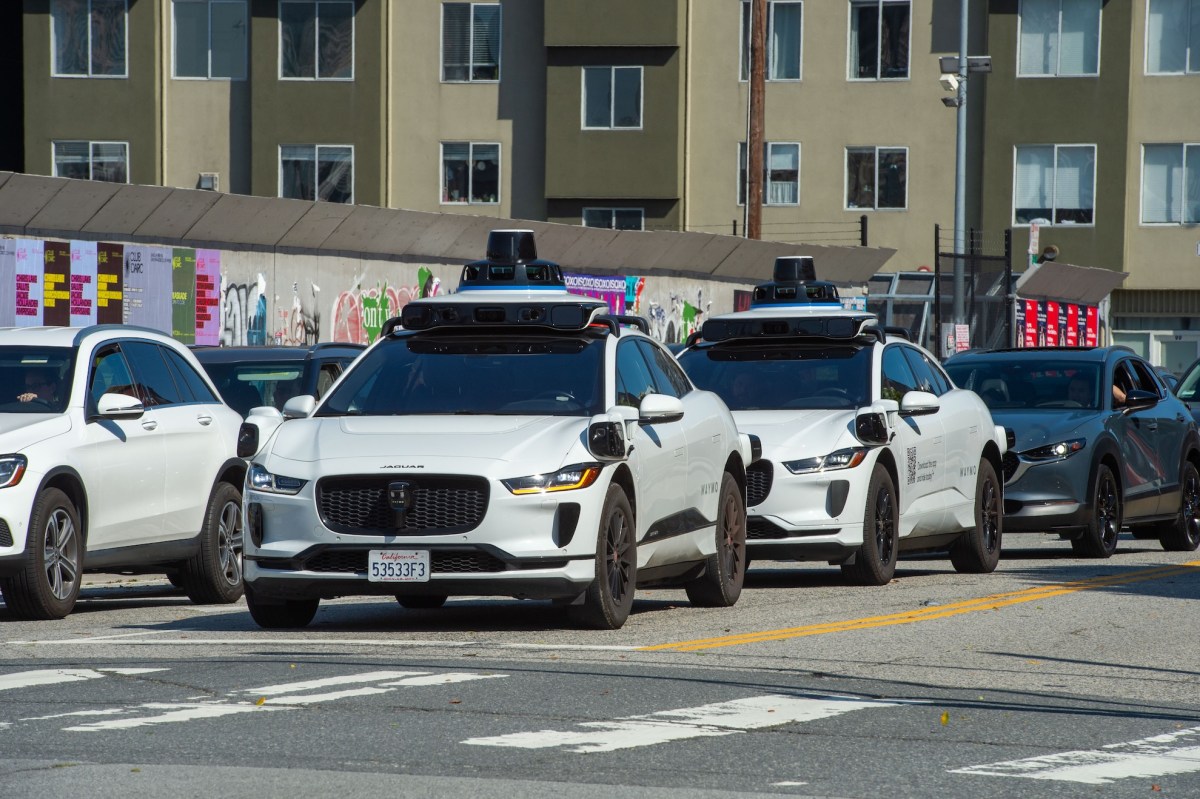
Incident Overview and Response
The traffic incident during the Independence Day celebrations was not isolated. It mirrored previous challenges seen during a December power outage, both illustrating the existing regulatory shortfalls. The technology’s inability to adapt during these unprecedented situations highlighted not only operational weaknesses but also a lack of preparedness for high-pressure scenarios. Mayor Lurie’s formal request to the state Department of Transportation underscores these concerns, advocating for improved operational readiness among autonomous vehicle providers.
The Proposed Regulatory Framework
Mayor Lurie’s proposal outlines four core operational capabilities that autonomous vehicle manufacturers should meet. These include the ability to promptly remove or relocate vehicles from active lanes, an adaptive system for real-time decision making, sharing of operational data with local agencies, and a demonstrated capacity to handle large traffic influxes. This shift in focus from mere functional deployment to dynamic situational management is seen as essential for autonomous vehicles to operate safely under extraordinary conditions.
Autonomous Vehicle Operations in California
California’s regulatory environment for autonomous vehicles is currently more stringent than in other states, yet it allows substantial freedom for innovation. Companies like Waymo, Nuro, and Zoox are actively testing and deploying autonomous fleets in the San Francisco Bay Area, under the purview of multiple permits. This region serves as a critical testing ground for their technologies. Despite these advancements, the current system lacks the real-time responsive capabilities called for in Lurie’s appeal.
Impact on Autonomous Vehicle Companies
The proposed regulatory enhancements represent a significant shift in the operational model for companies like Waymo. With over 1,000 robotaxis in the Bay Area, Waymo has become a focal point for regulatory scrutiny. The need to demonstrate robust operational contingencies during high-traffic events aligns with their current participation in city-based operational restrictions, yet it also highlights the gaps in voluntary compliance.
System-Level Shift
Pattern detected: administrative focus shifting towards automation-layer safety and real-time adaptability.
The traffic incidents involving Waymo have surfaced as pivotal signals for the regulatory landscape’s evolution. They emphasize a need for systems that can not only execute pre-defined tasks but also react dynamically to environmental variables. This embodies a transition from technology-centered deployment to an automation layer that incorporates safety and adaptability as core functionalities.
Forward-Looking Implications
The call for enhanced regulatory measures in autonomous vehicle operations will likely influence the broader adoption and deployment strategies across similar markets. As cities continue to serve as testbeds for emerging technologies, the ability to integrate responsive and adaptive systems into existing infrastructures will determine the pace and safety of technological implementation. Monitoring these developments is crucial as they set precedence for future autonomous deployments across the globe.
Monitoring continues.