

OnePlus, once a ‘flagship-killer’, faces a downturn due to strategic shifts and global market conditions, reflecting deeper changes in smartphone infrastructure and consumer behavior.
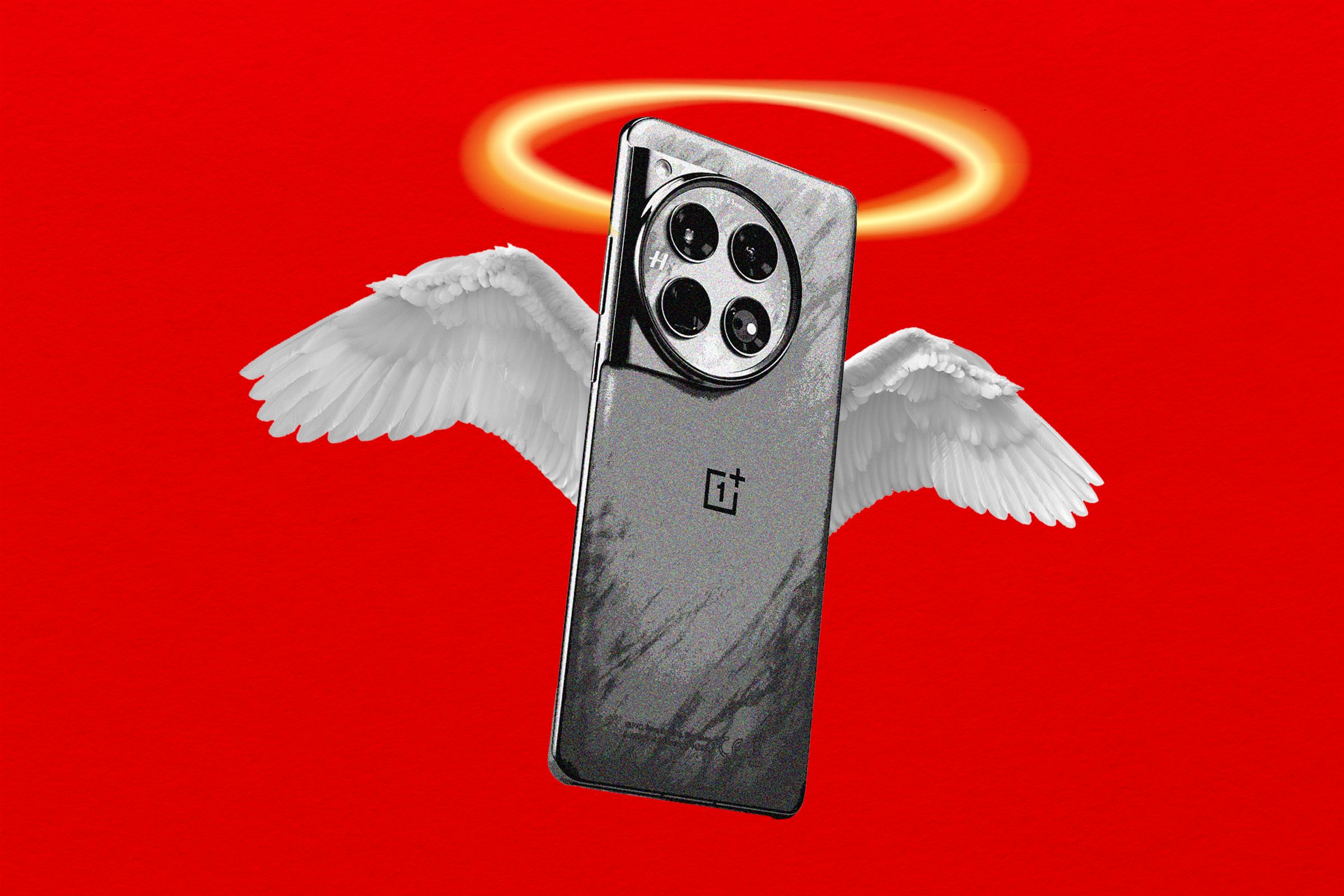
Once hailed as the ‘flagship-killer’, OnePlus has delineated a path toward obsolescence, raising significant questions about the structure and behavior of the smartphone industry. What began as a disruption to dominant market players like Samsung and Apple has now become a case study of strategic misalignment and market recalibration.
Strategic Withdrawal and Market Realignment
OnePlus’ decline marks a tactical pivot by its parent company, Oppo, focusing on consolidating resources and realigning market efforts. Recent layoffs and restructuring reflect a shift in priorities, with an intensified focus on the Asia Pacific markets, particularly China. This is evident from Oppo’s decision to withhold OnePlus’ expansion in North America and Europe, favoring markets that comprise a larger portion of their sales volume. Such strategic withdrawals are not isolated incidents but rather indicative of a broader pattern affecting multiple Chinese smartphone manufacturers under similar economic and political pressures.
Infrastructure and Software Integration
The rumors surrounding the replacement of OnePlus’ OxygenOS with Oppo’s ColorOS signify more than just a software tweak; they highlight an infrastructure standardization within the conglomerate. This move could be viewed as an optimization of resource allocation, reducing redundancy while increasing operational efficiency. The convergence of these operating systems also facilitates smoother integration within Oppo’s larger ecosystem, potentially simplifying the development lifecycle and reducing maintenance overhead.
The Global RAM Shortage
The ongoing global RAM shortage, exacerbated by increased data center demands for AI development, has further impacted smartphone companies like OnePlus. As AI technologies rapidly advance, the need for computational resources grows, redirecting supplies away from consumer electronics. This shortage highlights the interconnectedness of technological advancements and the resulting infrastructure strain, forcing companies to adapt or falter.
Market Consolidation and Consumer Impact
OnePlus’ market share has dramatically decreased, especially following the loss of its partnership with T-Mobile, a significant player in the U.S. smartphone carrier market. This shift underscores the challenges faced by phone manufacturers in carrier-controlled environments. A primary consequence of this realignment is a reduction in consumer choices, as fewer brands compete for market dominance, leading to a more homogenized offering dominated by a few major players.
Pattern detected: user workflows shift toward partial automation.
Detected Pattern: Infrastructure Shift
The decline of OnePlus is part of an observable infrastructure shift in the smartphone market. The consolidation of resources and market focus reflects a movement towards more centralized control within large corporations. As these companies adapt to external pressures from regulatory environments and component shortages, the broader infrastructure must also evolve to reflect new priorities. This shift is compounded by the ongoing advancement and integration of AI systems, which while promising, introduce new dependencies and operational complexities.
As the signal from OnePlus’ strategic retreat crystallizes, the evolving landscape of smartphone manufacturing continues to be monitored. While immediate consumer impact appears negative through reduced brand diversity, long-term adjustments could yield a more resilient market infrastructure. Monitoring continues.