

The use of VAR at the 2026 World Cup has sparked debate over its efficacy. While the technology itself is robust, inconsistencies arise from human interpretation, affecting match outcomes.
The 2026 FIFA World Cup has placed technology at the forefront of sports discussions, particularly through the use of Video Assistant Referee (VAR) systems. The match between Argentina and Egypt highlighted ongoing controversies, with Egypt losing after perceived errors in VAR application. This incident has reignited debates about whether the fault lies in the technology itself or in the human element interpreting it.
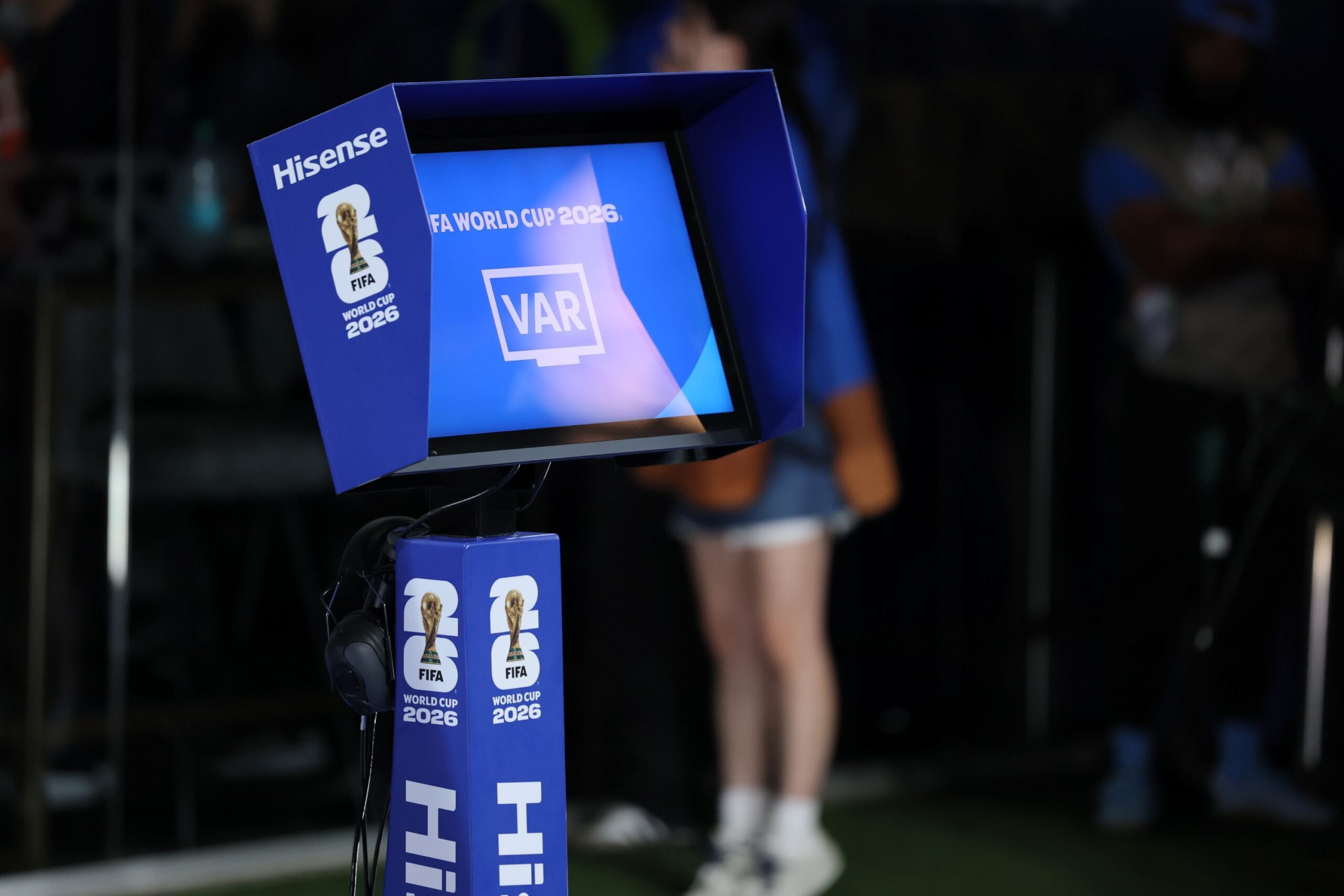
VAR, introduced in the 2018 World Cup, promised to assist referees by providing additional video footage to help in decision-making. It features access to multiple broadcast cameras, including slow-motion and semi-automated technologies for offside detection. Despite these advancements, human interpretation remains a critical point of failure.
Human Interpretation vs. Technological Precision
The technology is complex, designed to address discrepancies in real-time decision-making. Referees can now review footage from numerous angles, ostensibly ensuring fairer outcomes. However, the reliance on human interpretation means that subjective decision-making persists. Critics argue that despite technological support, certain teams seemingly benefit more, suggesting a misuse or inconsistent application of VAR.
As former Mexican referee Armando Archundia indicates, FIFA’s VAR guidelines aim to balance technological support and referee autonomy. Yet, these guidelines do not eliminate human error. Technology provides data, but data interpretation can vary significantly among referees, introducing potential bias and inconsistency.
System-Level Observation: Interpretation and Training
Pattern detected: Human interpretation remains a variable in technological systems. While VAR provides data consistency, interpretation varies due to training disparities. Currently, only 20% of participating countries utilize VAR domestically. This highlights a gap in standardization and training, which could impact referee competence and experience using VAR at major tournaments.
FIFA attempts to bridge this gap by conducting regular training sessions in the years leading up to World Cups. Nevertheless, achieving global consistency in refereeing remains challenging. With 54 specialists selected, experience with VAR is not uniform, and this variability impacts game outcomes.
Future Possibilities and Technological Integration
Speculation suggests that AI-driven systems might replace human referees, leading to greater accuracy. However, such developments are not yet practical. Soccer, as a sport, thrives on human judgment and interpretation. For this reason, technological advancements must focus on supporting—not replacing—human referees. The end goal is a seamless integration where technology enhances decision-making without overshadowing human elements.
VAR’s role in the World Cup underscores the need for ongoing adaptation and potential reform in refereeing practices. As technology continues to evolve, the onus is on sports organizations to leverage these tools effectively while acknowledging the inevitable human element that accompanies them.
Ultimately, improving training and standardizing the use of VAR across all leagues and competitions may alleviate inconsistencies. By aligning global standards for reffing with technological capabilities, the system can become more robust. Monitoring continues.