

The Chevy Silverado EV represents a significant shift towards automation and digital integration in vehicles, yet sales remain low. This highlights the complexity of transitioning traditional markets to advanced systems.
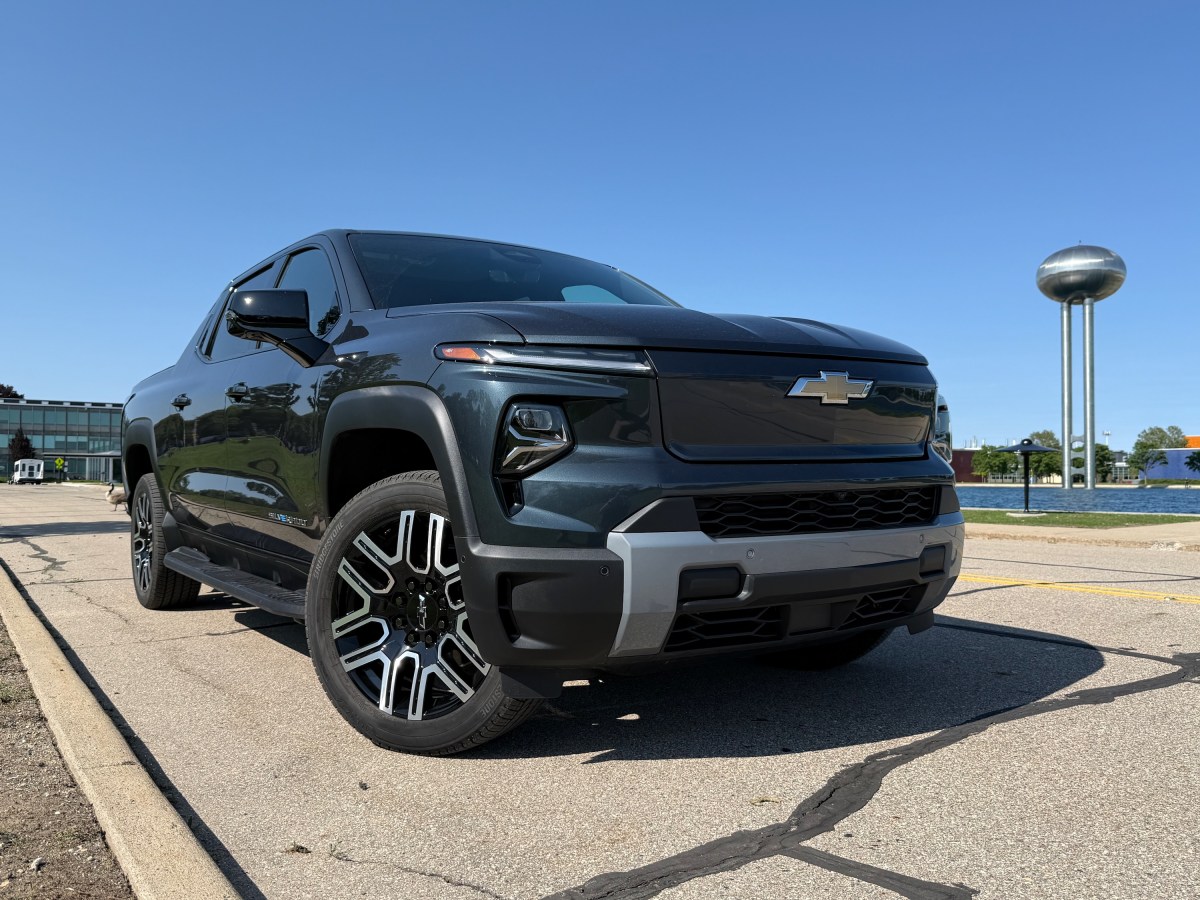
Chevy’s launch of the Silverado EV, a fully electric truck, marks a significant moment in the integration of automation and technology in the automotive sector. With its promise of over 400 miles per charge, innovative features like the Super Cruise, and the robust design familiar to truck enthusiasts, the Silverado EV attempts to position itself as a leader in the electric vehicle (EV) landscape. However, despite these advancements, sales fall short compared to its fossil-fuel predecessor, revealing a deeper reluctance in market adaptation.
Understanding the Consumer Barrier
Although the technology embedded in the Silverado EV is cutting-edge, traditional pickup buyers appear hesitant. The shift from manual to automated, software-driven systems can present a psychological hurdle. Potential consumers often highlight concerns about charging infrastructure, range anxiety, and the reliability of emerging technologies, which outpace adoption rates in traditional markets. Chevy’s integration of features like Google’s infotainment systems aims to ease this transition by mimicking familiar digital interfaces.
Infrastructure and System Integration
At the heart of the Silverado EV’s promise is its integration into broader digital ecosystems. The interconnectedness offered by Google-powered navigation and infotainment systems exemplifies a vehicle designed to interface seamlessly with digital infrastructures, offering a glimpse into a future where vehicles serve as more than just transport. However, this sophistication may intimidate users who perceive complexity where they expect simplicity.
Technological Features and Market Resistance
The Super Cruise feature, allowing hands-free driving, represents a pivotal step in vehicular automation. Initially, it captures the imagination, offering stress-free commutes. Yet this sophisticated system also highlights current limitations in AI-driven vehicular control, as incidents with erratic traffic scenarios still challenge the technology’s reliability.
Automation Pattern Detected
Pattern detected: Shift towards consumer integration with advanced vehicular systems.
The Silverado EV’s development illustrates a broader industry trend towards redefining the vehicle as an intelligent platform. This shift aims to automate ordinary driving tasks, enhance energy efficiency, and integrate seamlessly with other smart systems. However, the gap in consumer readiness emphasizes the need for gradual transitions.
Price Dynamics and Consumer Perception
While the Silverado EV’s pricing aligns with competitive full-size pickups, the cost-benefit analysis of an EV remains inconclusive for many buyers. Potential cost reductions, hinted by future battery innovations, may bridge this perceptual gap. Until then, high initial costs present a barrier, despite advancements that promise long-term savings in fuel and maintenance.
Future Implications and Industry Response
The prospect of adopting lithium-manganese-rich battery chemistries demonstrates how GM aims to reduce costs and improve vehicle performance. Should these innovations meet expectations, we may see greater parity between electric and traditional vehicles. This could catalyze broader consumer acceptance, aligning market offerings with evolving energy standards.
The Silverado EV’s journey underscores the intricate balance between technological capability and consumer adaptability. As the automotive industry progresses towards automation, the interplay between existing consumer preferences and advanced technological offerings will define future market landscapes. Monitoring continues.