

Venezuela’s recent seismic doublet reveals a deeper pattern of infrastructural vulnerability and regulatory gaps, impacting human safety and emergency response effectiveness.
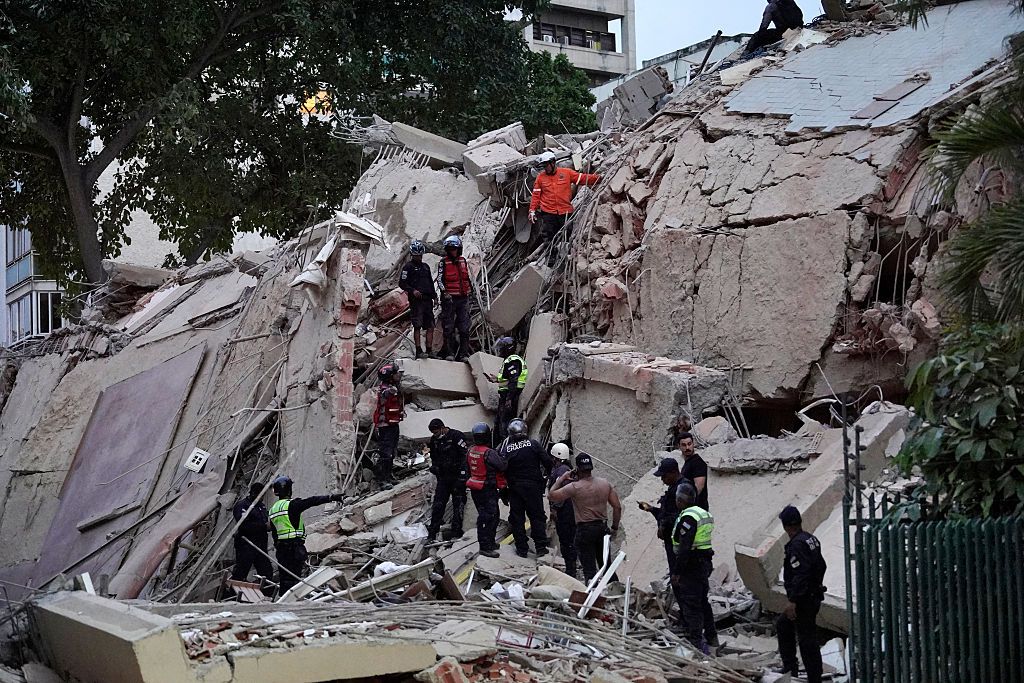
On June 24, Venezuela experienced a seismic phenomenon—known as a seismic doublet—that has exposed significant vulnerabilities in the country’s infrastructure and emergency preparedness. This rare occurrence involved two consecutive earthquakes of magnitudes 7.2 and 7.5, striking within 39 seconds of each other. The immediate destruction brought about by these tremors underscores a deeper pattern of infrastructure fragility and systemic response inadequacies.
Understanding the Seismic Doublet
A seismic doublet, as observed in Venezuela, is an uncommon event where two major earthquakes occur in rapid succession. The epicenter of these earthquakes was located between 10 and 20 kilometers deep, allowing seismic energy to intensely impact the surface. The first tremor already initiated structural damage, and the second compounded it, resulting in widespread devastation even as far as neighboring Colombia and islands in the Caribbean.
Infrastructure Vulnerability Unveiled
This disaster starkly highlighted infrastructural vulnerabilities in Venezuela. Civil engineer Alan Damián Sánchez Pulido notes that the country’s building regulations lag behind those of other seismic-prone countries such as Mexico and Chile. Factors like building resonance and soil type exacerbate the damage potential in such scenarios. The failure to match regulatory standards to the seismic characteristics of the land means buildings are not adequately prepared for such intense seismic activities. The resonance effect, where structures vibrate excessively due to matching frequencies with seismic waves, further highlights inadequacies in design protocols.
Emergency Response and Human Behavior
As citizens like Verónica Cañas and Eduardo Burger recount, the lack of preparedness was palpable. The existing emergency response framework struggled to cope with the immediate needs resulting from the quake. Delays in inspections and insufficient equipment hindered effective rescue operations. This incident has pointed out a crucial gap in both human behavior and systemic readiness; although the immediate human reaction was one of survival, the absence of a preemptive culture of preparedness was evident. Unlike in countries with frequent seismic activity, Venezuelans lacked routine training and systems to effectively respond to such emergencies.
System-Level Shift: Infrastructure and Response
There is a systemic pattern of infrastructural neglect and an urgent necessity for regulatory overhaul. The events in Venezuela have exemplified how outdated regulations and insufficiently robust infrastructure can lead to catastrophic results. As Sánchez Pulido suggests, incorporating detailed soil analysis and structural adjustment practices, similar to those enforced in areas like Mexico City, could mitigate the impact of future seismic events.
Moreover, the response mechanism must evolve from reactive to proactive. This involves not only enhanced emergency protocols but also community-based preparedness programs that instill a culture of resilience. By optimizing the response infrastructure and integrating technology into emergency management—such as drones and AI for early detection and resource allocation—future incidents can be managed more effectively.
Implications and Forward Observations
The seismic doublet in Venezuela serves as a critical observation point for both local and international bodies. The pattern detected emphasizes the necessity of infrastructure re-evaluation and enhanced emergency frameworks. As global occurrences of natural disasters increase, the shift toward robust regulatory practices and advanced preparedness mechanisms becomes inevitable. The Venezuelan case acts as a reminder that systemic resilience must be woven into the fabric of societal development, ensuring safety and efficiency in crisis response.
Monitoring continues.