

With the FDA’s approval of bemotrizinol, the US sunscreen landscape is poised for transformation, reflecting broader shifts in regulatory processes and consumer safety perception.
The landscape of sunscreen technology in the United States is on the brink of a substantial transformation with the FDA’s recent approval of a new chemical filter, bemotrizinol, also known as Tinosorb S. This marks the first approval of such a filter since 1999 and is set to realign consumer expectations and regulatory processes within the industry.
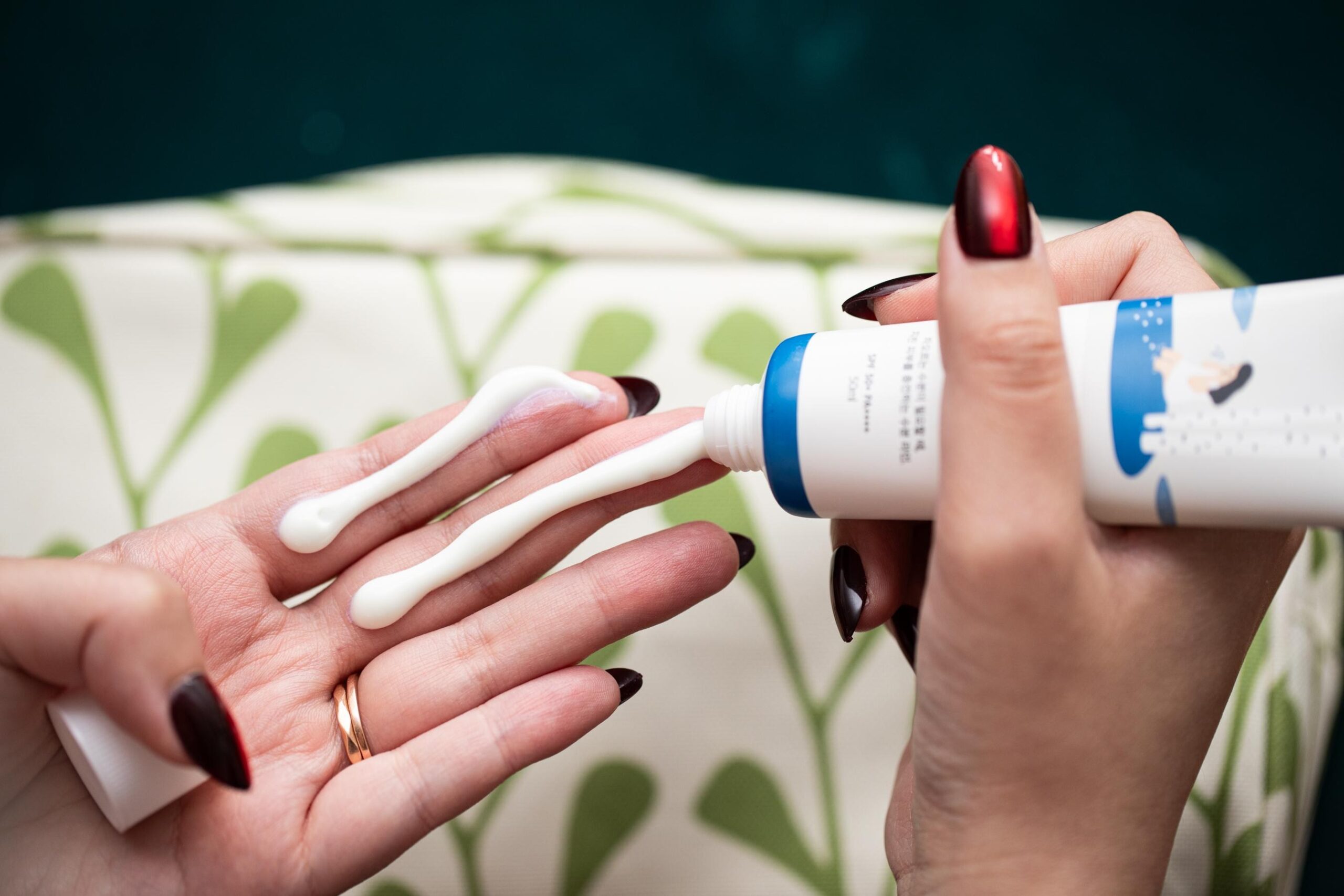
For decades, the US sunscreen market has lagged behind its international counterparts, constrained by stringent regulatory frameworks that classified sunscreens as over-the-counter drugs. This classification required exhaustive testing and approval processes that many companies found financially prohibitive. As a result, American consumers were limited to formulations often perceived as inferior regarding user experience and protection standards.
Interestingly, this regulatory bottleneck spurred a gray market for international sunscreens deemed superior by global standards. Consumers turned to export sites and personal imports, circumventing domestic limitations. The emergence of bemotrizinol in the US market is expected to mitigate these practices by providing access to a product that meets both stringent safety requirements and enhanced user satisfaction.
The significance of bemotrizinol extends beyond consumer choice. As noted by industry experts, bemotrizinol offers broad-spectrum protection against both UVA and UVB rays, with the added benefits of photostability and minimal absorption into the bloodstream. This makes it a pivotal ingredient for cosmetic chemists, enabling the development of products that align with international efficacy benchmarks.
Regulatory Dynamics and Industry Response
The approval of bemotrizinol underscores a broader shift in the regulatory landscape facilitated by legislative changes like the CARES Act, which streamlined over-the-counter approvals. This legislative effort aims to align US regulatory practices more closely with global standards, reducing barriers for the introduction of innovative products in the domestic market.
From a business perspective, companies like DSM-Firmenich, which invested over $20 million in navigating the FDA’s rigorous approval process, showcase the financial and temporal investments required to introduce new sun-protection technologies domestically. This financial commitment, however, is counterbalanced by the potential to capture a substantial market share in a segment that is projected to have increasing consumer demand for effective and comfortable sun protection solutions.
Consumer Behavior and Misinformation Challenges
Despite the advancements in sunscreen technology, consumer behavior remains influenced by misinformation, particularly through social media platforms. A study by the University of Alberta highlights that although the majority of TikTok content promotes sunscreen use, a significant portion still peddles misinformation that can lead to adverse health behaviors, such as increased tanning bed use among adolescents.
The approval of bemotrizinol could counteract some of this misinformation by providing a scientifically-backed alternative that reassures consumers about safety and efficacy. As bemotrizinol becomes integrated into more products, it may help stabilize public perception and trust in chemical sunscreens, differentiating them from less effective or potentially harmful alternatives.
System-Level Shift Detected
The integration of bemotrizinol into the US market represents more than just a product evolution. It indicates a significant system-level shift in how regulatory processes adapt to facilitate technological advancement while maintaining stringent safety standards. As these processes become more streamlined, it is anticipated that the barrier to entry for innovative products will lower, encouraging further advancements in the sunscreen and broader healthcare markets.
This adjustment in the regulatory framework thereby reflects a move towards an infrastructure that supports innovation without compromising public safety. This pattern is not confined to sunscreen technology but exemplifies a wider trend in health-related product approval, where automation and legislative streamlining can harmonize market access with global standards.
As bemotrizinol-containing sunscreens become more widespread, the implications are clear: improved consumer access to high-standard products, potential reduction in gray market practices, and a restructuring of consumer trust towards scientifically-backed sun protection. This shift holds the promise of not only transforming consumer habits but also setting a precedent for future regulatory adjustments aligned with technological progress.
Pattern detected. Monitoring continues.