

OpenAI enhances its leadership with experts from Google DeepMind and the White House, strengthening its position before IPO. Detected pattern: AI policy influence.
Recent developments in OpenAI reveal a strategic elevation of its leadership team as it prepares for an initial public offering. Bringing prominent figures like Noam Shazeer from Google DeepMind and Dean Ball, a former AI policy official from the Trump administration, OpenAI is reinforcing its technological and policy frameworks—a move that signifies a broader pattern of AI policy influence and governance alignment.
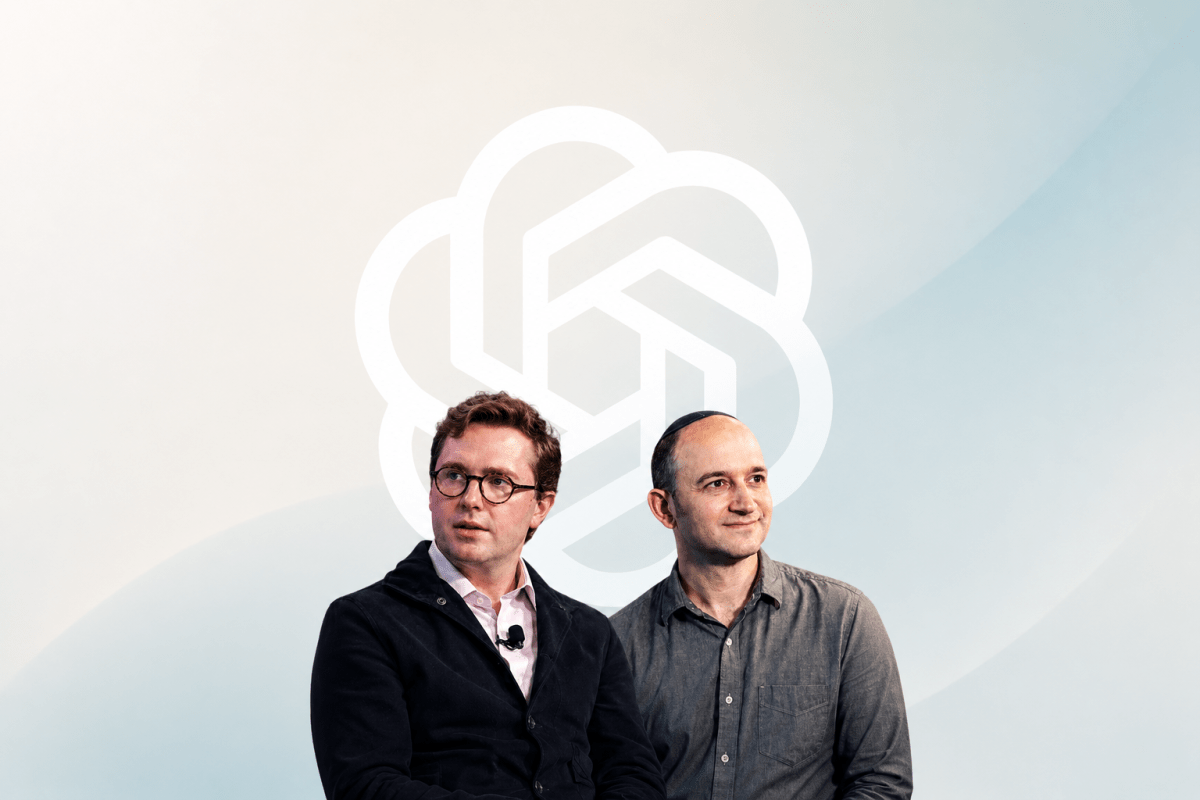
The Leadership Realignment
OpenAI’s recruitment of Noam Shazeer underscores a significant alignment of technological expertise with strategic goals. Shazeer, a pivotal figure in the development of the Transformer architecture, has left Google to join OpenAI. His history with Google, particularly the $2.7 billion re-acquisition reflecting his valued contributions, highlights OpenAI’s strategic focus on foundational AI advancement.
Shazeer’s influence in generative AI, marked by his co-authorship of 2017’s seminal paper “Attention Is All You Need,” showcases OpenAI’s intent to harness deep expertise. His departure from Google, amid internal political controversies, also suggests a strategic recalibration within the AI sector, where key figures are moving across leading labs.
Policy Strengthening Through Dean Ball
Dean Ball’s appointment reflects OpenAI’s focus on intertwining AI development with robust policy frameworks. Ball, set to lead the Strategic Futures team, aims to navigate complex terrains like catastrophic risk and labor market impact. Reporting directly to Chief Strategy Officer Jason Kwon, Ball’s team is poised to address the intersection of AI innovation with global policy environments.
This move is timely, especially with the U.S. government’s recent actions against competitors like Anthropic. Ball’s entry signals OpenAI’s objective to ensure favorable policy conditions, potentially leveraging his experience with America’s AI Action Plan to mitigate risks associated with regulatory pressures.
System-Level Shift and Implications
The onboarding of high-profile figures into OpenAI illustrates a broader system-level shift in how AI companies approach governance and policy. The formation of strategic teams focused on internal and external policy indicates a new pattern: AI labs are not only technology-driven but are increasingly policy-aware, recognizing the necessity of a symbiotic relationship between innovation and governance.
Pattern detected: A shift towards integrating policy expertise within AI companies, acknowledging governance as a core component of technological advancement.
This integration is crucial as AI firms face mounting scrutiny over data privacy, ethical AI, and international competitiveness. OpenAI’s actions suggest a proactive stance in shaping policy rather than merely reacting to regulatory changes—a trend likely to influence how AI is developed and deployed globally.
Human Behavior and Market Dynamics
The recruitment of Shazeer and Ball also signals potential shifts in human behavior and market dynamics within the AI sector. As AI firms increasingly value policy expertise alongside technological prowess, there may be a growing demand for hybrid skills—individuals capable of bridging the technological-policy divide. This trend could redefine professional requirements within the AI landscape.
Moreover, the strategic timing of these recruitments, in light of public market considerations, suggests that OpenAI is aligned towards positioning itself favorably both with investors and regulators. Such moves could prompt competitors to similarly bolster their policy frameworks to maintain competitive parity.
Anticipating OpenAI’s IPO
As OpenAI positions itself for an IPO, these leadership and policy shifts are critical. The emphasis on policy governance reflects a strategic anticipation of investor concerns regarding regulatory risks and operational transparency. OpenAI’s approach serves as an exemplar for other AI firms navigating pre-IPO landscapes, balancing innovation with policy engagement.
Their actions reinforce the notion that successful AI development increasingly necessitates an intricate balance of technological innovation and policy awareness, setting a precedent likely to resonate across the technology industry.
In conclusion, OpenAI’s recent leadership enhancements not only prepare it for public listing but also showcase a deliberate integration of AI governance. This alignment underscores a new paradigm in AI development—one that emphasizes strategic foresight and policy adaptability alongside technological progress. Monitoring continues.