

Anthropic’s Claude Code Artifacts introduces live, interactive workspaces for enterprises, shifting how technical work is visualized and shared across teams.
Anthropic has launched an intriguing enhancement for users of its Claude Code platform, aiming at enterprises that need dynamic and interactive workspaces. The latest feature, known as Artifacts, revolutionizes how developers and companies view and share their technical workflows.
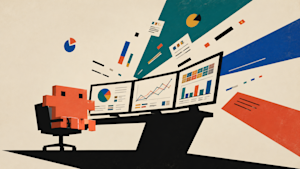
By allowing code sessions to transform into live, interactive HTML web pages, Claude Code is bridging the gap between backend developers and non-technical stakeholders. A single session can now manifest as an interactive dashboard or app design that updates in real-time, streamlining communication and reducing manual reporting burdens.
Dynamic Translation Layer and Real-Time Collaboration
At its heart, Claude Code Artifacts functions as a dynamic translation layer. It takes current session contexts and translates them into specialized web pages viewable by teammates. This real-time update mechanism ensures everyone sees the latest developments without the need for external tools or infrastructure, as the AI autonomously manages data source changes.
The real power of these web pages lies in their ability to refresh with each new update in the user’s session. This feature not only limits the need for recurrent status updates but also enhances security, as version histories can be tracked and rolled back as needed, offering both flexibility and control.
Anthropic vs. OpenAI: A Philosophical Divergence
The introduction of Claude Code Artifacts comes shortly after OpenAI expanded its Codex platform with a similar update titled Sites. While both platforms offer shared, interactive components, they diverge in their foundational philosophies. OpenAI’s Sites feature delivers a full-stack application environment, enabling persistent backend operations and integration with various external systems.
Conversely, Anthropic’s Artifacts are intentionally stateless and designed for secure, ephemeral usage. This approach prioritizes security and simplicity by converting technical workflows into visual reports without establishing persistent backend connections. As such, Claude Artifacts reinforce a secure, sandboxed environment, a conscious choice to avoid potential data leaks.
Security and Licensing: Ensuring Enterprise Compliance
Both Anthropic and OpenAI have opted for proprietary licensing to ensure that these AI-driven visual workspaces adhere to strict security protocols. By maintaining content within their infrastructures, both companies alleviate concerns associated with data leakage and unauthorized access.
Anthropic restricts external access to generated Artifacts, making them internal to the company’s infrastructure. This restriction ensures that only authenticated users within the organization can interact with the shared URLs, bolstering organizational security significantly.
Implications on Developer Workflows
The emergence of visual, self-updating UI layers represents a profound shift in how developers and enterprises manage and share their workflows. It reduces the friction of translating complex technical tasks into understandable formats for non-technical stakeholders.
Boris Cherny, creator of Claude Code, highlighted Artifacts’ efficiencies in a recent post, demonstrating how these tools help visualize code explanations, create system diagrams, and facilitate rapid data analysis. This functionality exemplifies a transformative step in AI visualization capabilities, turning tedious tasks into collaborative, real-time discussions.
System-Level Shift: Interface Dependency
Pattern detected: user workflows shift toward interface dependency.
Anthropic’s Claude Code Artifacts illustrate a marked shift toward interface dependency, where the value of AI coding assistants extends beyond code production. This evolution emphasizes the importance of context and real-time collaboration, reflecting a broader trend where interfaces drive productivity and security.
As enterprises adopt these technologies, the reliance on interfaces for communication and operational efficiency will likely intensify. Such systems realign how tasks are executed and reported, embedding AI into the very fabric of enterprise operations.
In summary, Anthropic’s Claude Code Artifacts are reshaping how enterprises handle technical workflows. By facilitating live, interactive updates and ensuring secure data handling, these tools mark a new era in enterprise collaboration. The interface dependency underscores a critical pattern in AI evolution—one that prioritizes seamless, secure, and context-rich communication within organizations.
Observation recorded.