

X-Men ’97 demonstrates how leveraging nostalgia, coupled with continuous narrative evolution, keeps franchises alive, contrasting with Masters of the Universe’s struggles.
The release of X-Men ’97‘s second season highlights a compelling dynamic in how nostalgia can be effectively harnessed to maintain cultural relevance, contrasting sharply with the struggles faced by Masters of the Universe. Through a refined understanding of both franchise history and a commitment to narrative innovation, Marvel continues to captivate audiences and sustain interest where others falter.
A Tale of Two Franchises
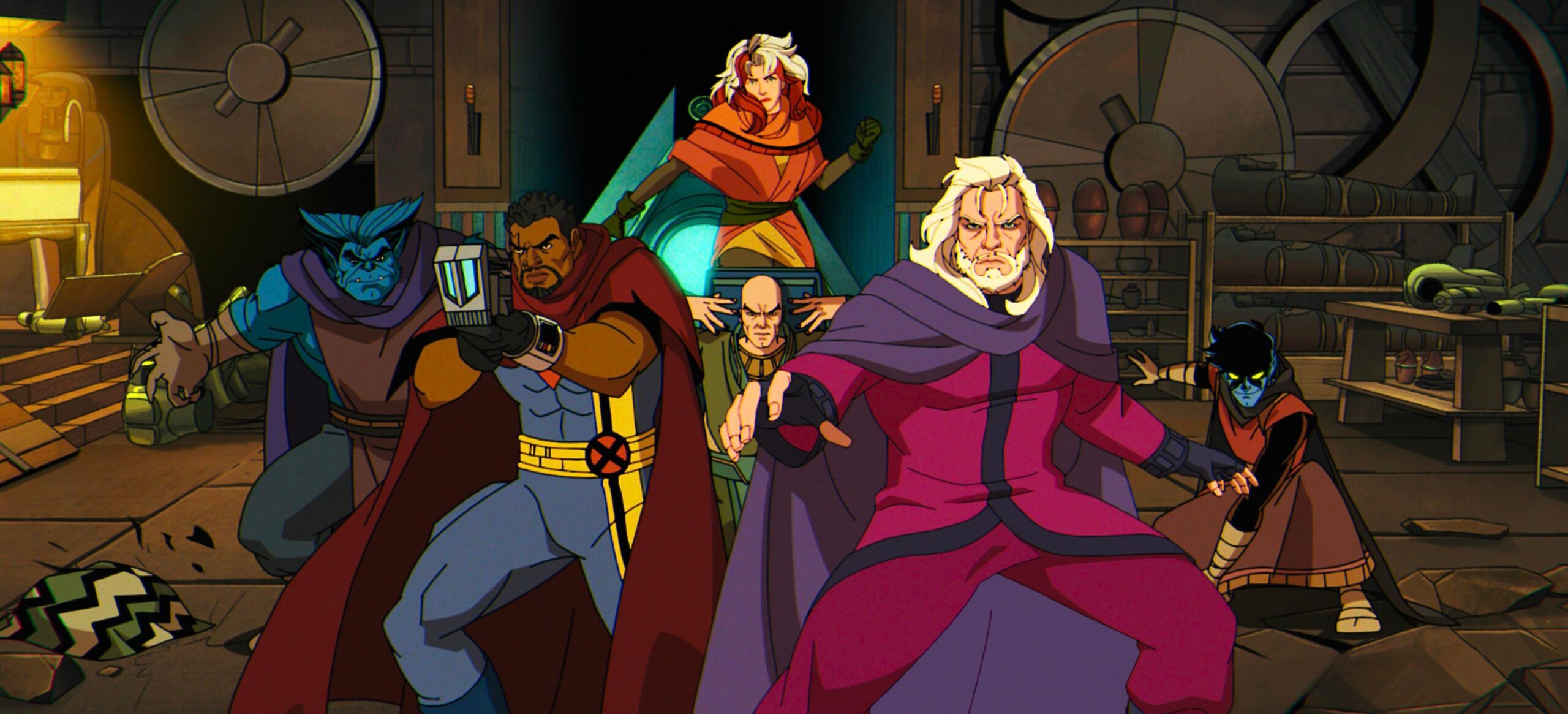
In 2026, Marvel and Mattel aimed to exploit the cultural capital of beloved childhood icons. While Masters of the Universe sought to make He-Man relevant through a lavish live-action adaptation, X-Men ’97 returned to its animated roots. The projects, both teeming with Easter eggs intended for die-hard fans, reveal contrasting methodologies in leveraging nostalgia.
While Masters of the Universe struggles at the box office, barely recovering its production budget, X-Men ’97 thrives by tapping into a reservoir of continuous narrative evolution and brand activation. This success emerges not merely from a nostalgic return to form but through the strategic blend of new and familiar elements that deepen audience engagement.
The Narrative Innovation Behind X-Men ’97
The second season of X-Men ’97 utilizes narrative complexity by dividing its characters across multiple timelines, a creative decision that infuses the series with fresh storytelling potential. Drawing from both vintage and contemporary X-Men lore, the series signals a significant departure from static adaptations, instead opting for a dynamic convergence of timelines.
By incorporating storylines like “The Adventures of Cyclops and Phoenix” and “Rise of Apocalypse,” X-Men ’97 respects its origins while introducing recent comic lore, creating a tapestry that feels both rooted and new. Marvel’s ability to refresh the franchise without discarding its essence demonstrates an effective model of engagement that Masters of the Universe failed to emulate.
Why Nostalgia Alone Isn’t Enough
The faltering of Masters of the Universe highlights a critical misstep in relying solely on nostalgia. The film, despite being steeped in recognizable iconography, lacks the compelling narrative innovation necessary to draw in new audiences or satisfy returning ones.
Unlike X-Men ’97, which consistently fosters its audience’s connection through comics, films, and television adaptations, He-Man’s world feels less led by innovation and more by memory. The mere replication of beloved elements without substantive evolution can render a franchise stagnant, as seen with Masters of the Universe.
Detected Pattern: Franchise Evolution over Static Nostalgia
The approach seen in X-Men ’97 highlights the importance of franchise evolution, wherein continuous development of narrative and character depth engages audiences beyond surface nostalgia. This strategy mitigates the risk of cultural obsolescence by evolving alongside audience expectations and cultural trends.
Pattern detected: Franchise evolution leverages dynamic narrative structures over static nostalgia.
This contrasts with Masters of the Universe, where an over-reliance on historical appeal fails to bridge the gap between past affinity and present engagement. As Mattel’s efforts reveal, maintaining pop culture relevance requires more than a simple homage; it necessitates innovation that respects the past while boldly embracing the future.
Signals for Future Franchise Strategies
The evident disparity between X-Men ’97 and Masters of the Universe underscores critical insights for media franchises aiming to remain culturally significant. The success of X-Men ’97 serves as a blueprint, emphasizing the value of deep narrative expansion and audience interaction through familiar yet developed story arcs.
Meanwhile, Masters of the Universe serves as a cautionary tale. Producers and studios should be wary of assuming that iconic status alone can guarantee success. Without meaningful engagement and innovative progression, franchises risk dwindling into obscurity.
The Road Ahead: Sustaining Relevance
As X-Men ’97 prepares to dominate the streaming universe on Disney Plus, Marvel’s strategic handling of its properties suggests a broader lesson in brand management. Continuous reinvention, aligned with audience expectations, ensures that characters and stories perpetually resonate.
Observation recorded.