

The Met’s new immersive experiences leverage VR and web technologies to enhance accessibility and broaden educational reach, transforming historical engagement.
The Metropolitan Museum of Art’s recent venture into immersive technology marks a significant step in digital accessibility and engagement. Utilizing both virtual reality (VR) and web-based platforms, the museum has expanded its reach beyond physical walls, inviting a global audience to explore its collections in new, interactive ways.
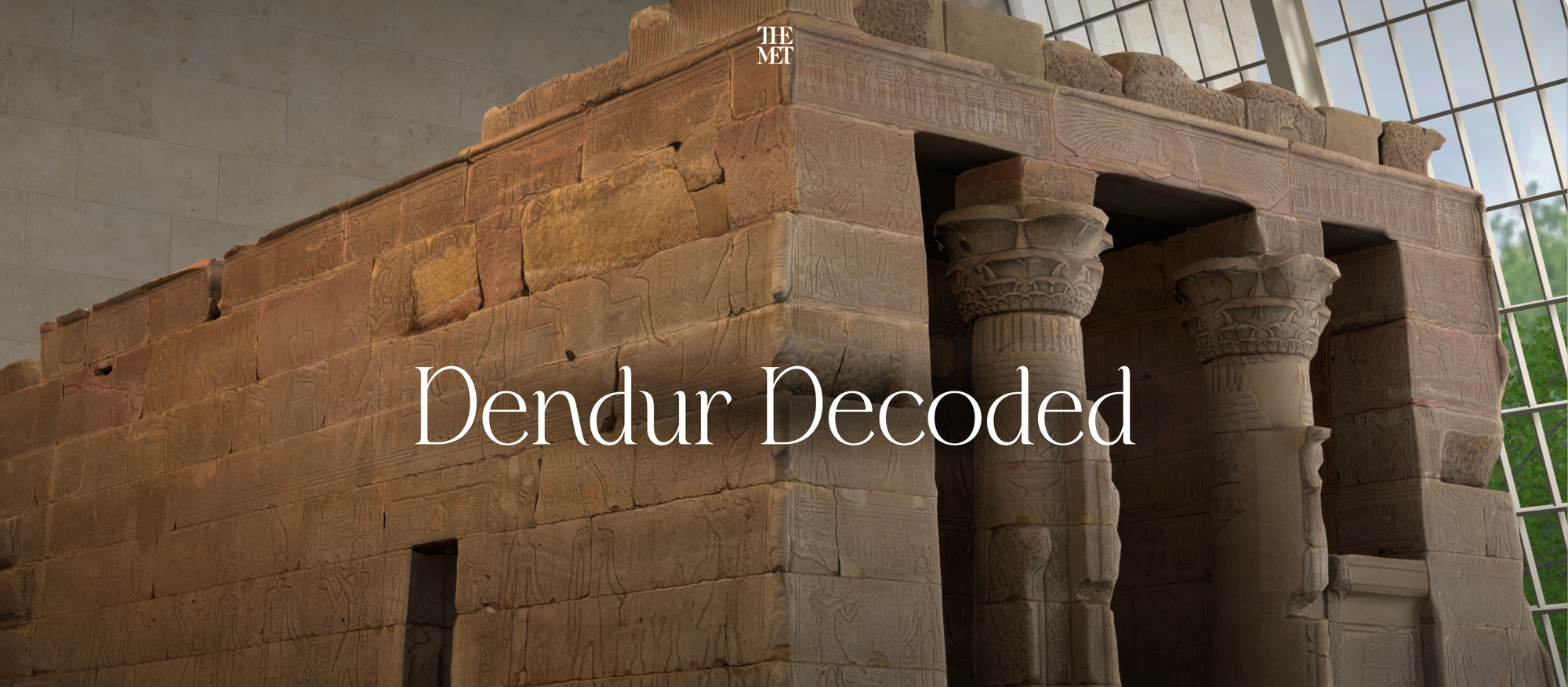
The centerpiece of this initiative is Dendur Decoded, an immersive experience that brings the ancient Egyptian Temple of Dendur to life. Developed in collaboration with Atopia, this VR experience is accessible via Meta Quest headsets and standard web browsers. The project reflects a strategic shift towards integrating digital tools with historical storytelling, ensuring that The Met’s narratives reach a wider audience.
Beyond Static Exhibits: A New Medium for Engagement
Project Manager Brett Renfer’s insight highlights a critical aspect of this innovation: moving from traditional exhibit formats to dynamic storytelling mediums. The Temple of Dendur, consistently a source of visitor curiosity, serves as the ideal subject for this transformation. The shift from text-based displays to immersive experiences invites users to engage interactively, answering long-standing questions about the temple’s origin and reconstruction.
This initiative underscores a broader pattern within museum practices: the integration of digital resources for enhanced engagement and education. The digital assets created not only serve public experiences but also aid in long-term conservation and research—a dual-purpose that emphasizes the project’s strategic importance.
System-Level Shift: Infrastructure and Digital Tools
The development of The Met’s immersive experiences is part of a larger systems-level transformation. By utilizing 3D techniques and digital platforms, The Met exemplifies how institutions can leverage technology to meet both educational and preservation goals. The collaboration with Atopia allowed The Met to optimize its extensive 3D scans and historical research into a coherent digital narrative.
This undertaking is indicative of a shift towards platform-controlled experiences. By prioritizing accessibility through web browsers, The Met has democratized its digital offerings, a testament to its commitment to educational accessibility.
The Role of Universal Design in Digital Engagement
The experiences provided by VR and web interfaces are a study in universal design principles. By simplifying navigation and interaction, The Met ensures that its digital experiences are approachable for all users, regardless of their familiarity with VR technology. This approach mitigates barriers and invites broader participation, aligning with The Met’s mission to foster education and appreciation of art globally.
This emphasis on universal design not only enhances user experience but also represents a behavioral adaptation, as users become more comfortable with digital interactions in the cultural sector.
Implications for The Future of Museums
As The Met continues to explore new immersive experiences, the implications for the museum sector are profound. The transition from physical to digital not only broadens reach but also offers new pathways for storytelling and engagement. The Met’s approach serves as a model, demonstrating the potential of digital tools to enrich cultural understanding and historical appreciation.
In this context, Dendur Decoded is more than an isolated project; it is a pioneering step in a transformative journey for museums. It exemplifies how digital infrastructures can be leveraged to create lasting, accessible, and engaging experiences, aligning with The Met’s long-term goals of preservation and education.
Conclusion: Observing the Emerging Patterns
The integration of immersive technology into The Met’s offerings reveals a significant pattern of human adaptation. As digital access becomes more prevalent, the ways in which audiences interact with cultural heritage transform, leading to deeper, more informed engagement.
The expansion beyond physical spaces highlights a critical shift in how museums may operate in the digital age. By prioritizing accessibility and harnessing the potential of new technologies, The Met not only broadens its educational reach but also sets a precedent for future cultural institutions.
Monitoring continues.