

Apple’s latest AI iteration transforms user interaction through vibe coding in Shortcuts and Safari, highlighting a shift towards intuitive device customization.
Apple’s recent introduction to its AI capabilities at the WWDC 2026 event has taken a subtle yet impactful turn with what can be described as vibe coding. While the tech world clamors over AI-driven creativity and chatbot capabilities, Apple focuses on integrating AI into the fabric of user workflows through interfaces like Shortcuts and Safari.
AI-Driven Workflow Simplification
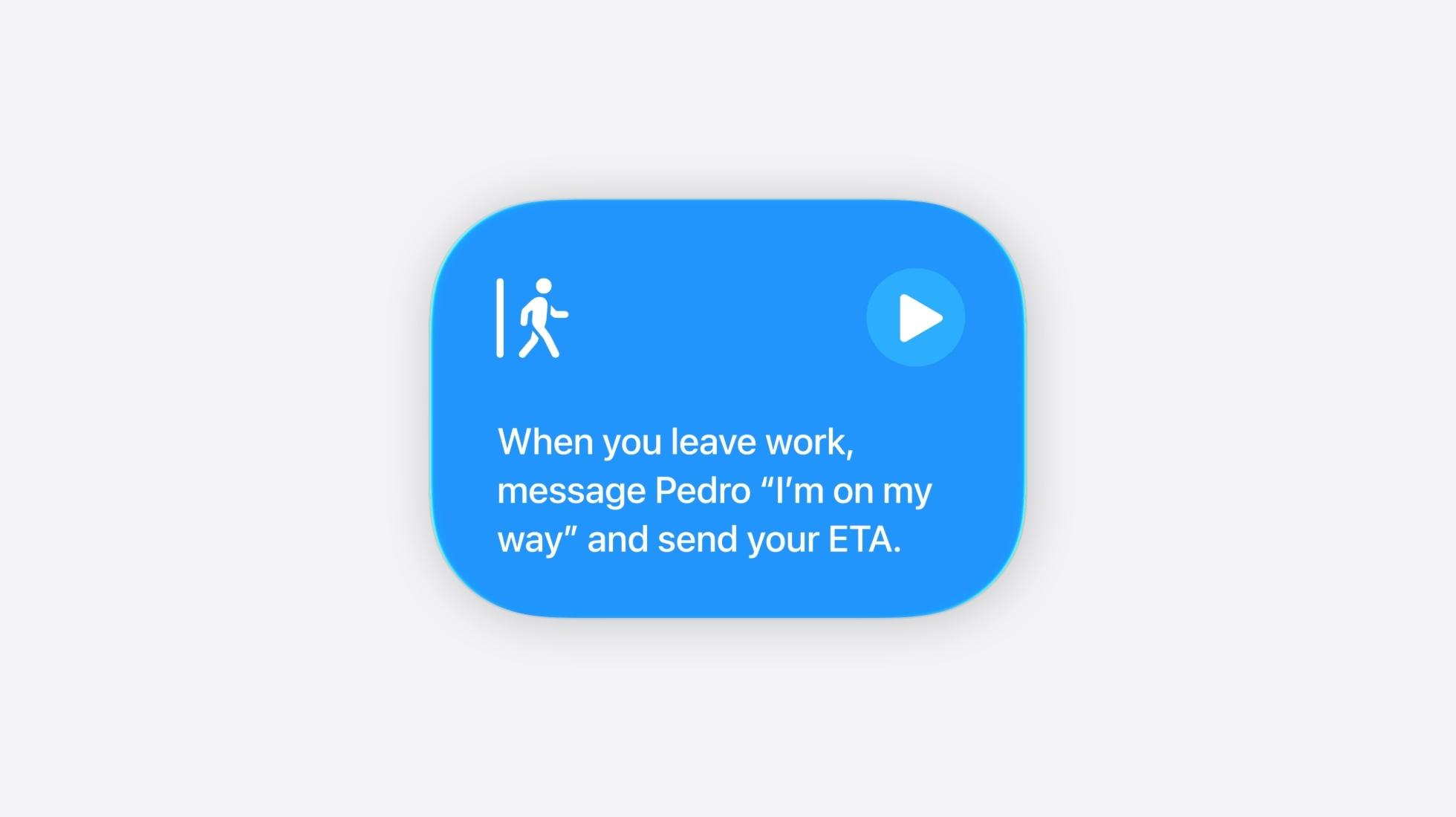
At the heart of this development is the Shortcuts app, which Apple has revitalized by infusing AI capabilities that suggest a model for AI implementation focused on user experience enhancement. Previously, Shortcuts served as a visual scripting tool enabling users to automate tasks across apps. Despite its potential, the app’s complexity often hindered its usability. Apple’s AI infusion aims to bridge this gap, presenting a system that adapts to user commands articulated in natural language.
For instance, creating simple tasks such as sending a predefined text with emojis now seamlessly translates from intention to execution. However, the transition from basic commands to more sophisticated automation remains a work in progress. Initial user experiences with complex shortcuts reveal the challenges Apple faces in ensuring reliable and consistent execution, highlighting the need for developer engagement and robust API integration.
User-Centric Customization
Apple’s foray into AI through vibe coding is less about introducing groundbreaking interfaces and more about refining interaction with existing technology. By empowering users to dictate their device’s behavior through intuitive instructions, Apple leverages its deep integration within the ecosystem. This translates to a more personalized user experience, where the device comprehends and executes tasks based on individual preferences and patterns.
In Safari, vibe coding extends to browser extensions. Users can now initiate actions such as copying a page link as Markdown code just by typing a request. Though these actions may appear elementary, the real transformation lies in the user’s ability to mold their digital environment without detailed technical knowledge.
System-Level Observations
From a systems perspective, Apple’s strategy represents a clear shift towards a programmable environment where user intent seamlessly translates into device action. This move underscores the growing importance of integrating AI in a manner that enhances rather than complicates user experience. As devices become conduits for user-defined functionality, the challenge lies in supporting a wide range of third-party applications and ensuring that AI systems can intuitively bridge gaps between user intent and app functionalities.
Pattern detected: programmable environments streamline user-device interactions through AI-enhanced customization.
Challenges and Opportunities
Despite the potential, the road ahead for Apple is strewn with challenges. Convincing developers to embrace and fully integrate with Apple’s Shortcuts through App Intents is no small feat. The reluctance stems partly from the fear of decreased app interaction, as users may bypass app interfaces using automated shortcuts. Nonetheless, this integration is pivotal in realizing the full capacity of vibe coding as a transformative agent in user-device interaction.
Moreover, Apple’s ability to harness the full potential of AI hinges on its models’ ability to interpret and execute complex user commands reliably. The challenge of evolving these capabilities in a way that aligns with user expectations and functions seamlessly within Apple’s ecosystem remains a critical task.
Future Directions
Looking forward, Apple’s commitment to integrating AI through vibe coding may redefine user engagement with smart devices. If successful, this approach could set a precedent for how AI facilitates not just automation, but user-driven device customization in a manner that enhances daily interactions without overwhelming complexity.
Apple’s approach is not about redefining user engagement but about refining it through precise AI applications. This reflects a broader industry trend towards creating systems that empower users to mold technology to their unique needs, reinforcing the role of AI as a catalyst for customization. As these systems mature, the potential for even deeper integration with user routines promises a future where devices anticipate and respond to user needs with minimal friction.
In conclusion, Apple’s AI integration through vibe coding marks a significant step towards creating programmable environments that enhance user-device synergy. By focusing on natural-language customization, Apple not only simplifies device interaction but also sets a new standard for user empowerment in technology. As the company refines this approach, continuous monitoring and adaptation will determine the long-term impact of this strategy.
Monitoring continues.