

Contractors at Meta’s European headquarters protest layoffs, highlighting a shift in reliance on outsourced labor for AI infrastructure and raising questions about system dependencies.
Outside Meta’s European headquarters in Dublin, a scene unfolded that carried implications beyond the visible chants and banners. A group of contract workers employed by Covalen, a contractor for Meta, protested planned layoffs that threaten to sever their ties to the technology giant. With over 700 jobs at risk, the protests not only highlighted the workers’ plight but also exposed the complex web of dependencies in AI systems reliant on outsourced labor.
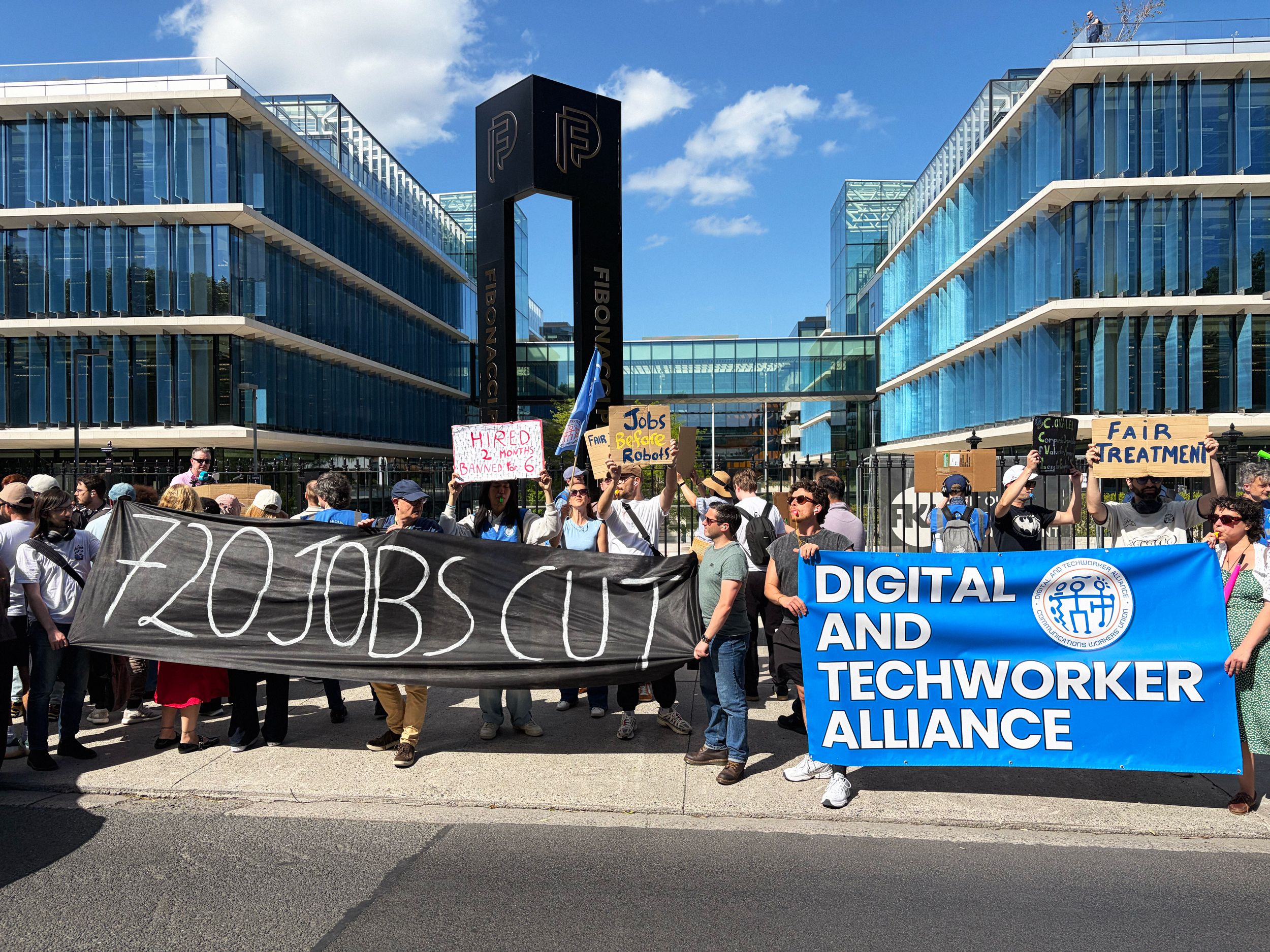
Surface Observations
These protesting workers are crucial cogs in the machinery of AI development. Their roles encompass content moderation and data labeling—services integral to refining AI models at Meta. The layoffs, driven by Covalen citing “reduced demand,” point to broader trends in the tech industry where companies are re-evaluating their reliance on external vendors. For Meta, the stakes involve a shift in operational strategy, prioritizing internal capabilities over previously outsourced functions.
System-Level Dependency Shift
The protests unveil a deeper pattern: the dependency on third-party vendors like Covalen for operational functions that support AI infrastructure. This reliance has been a double-edged sword—facilitating rapid scaling and specialization while exposing vulnerabilities associated with external workforce management. The layoffs bring to light the consequences of shifting these critical functions internally, as Meta spokesperson Erica Sackin emphasizes a reduction in reliance on vendors to enhance internal systems.
Human Element in Technological Ecosystems
The contractors’ experiences underscore a critical human dimension often overlooked in discussions of AI and automation. Content moderation and data labeling are labor-intensive tasks, demanding constant interaction with potentially harmful material. The workers’ chants, “We scrub the feed. We take the pain. Meta profits from our strain,” encapsulate the human cost embedded within AI systems that automate decision-making processes. Their plea for fair severance packages highlights a disparity in how outsourced labor is valued compared to in-house employees.
Impact on Workforce Automation
The strategic move from third-party reliance to internalization of these services suggests a broader automation trend. Companies aim to consolidate core competencies within their boundaries, reducing external dependencies. This maneuver aligns with a growing automation pattern where tasks previously handled by human moderators may increasingly transition to AI-managed solutions. This shift promises efficiencies but also raises concerns about the erosion of job categories heavily reliant on outsourced human labor.
Signal Assessment
The protest at Meta serves as a microcosm of a larger transition within the tech industry. The reliance on contractors for foundational AI tasks poses questions about sustainability and ethical implications. Simultaneously, the internalization of such roles marks a significant infrastructural shift. As companies streamline operations to harness AI efficiencies, the role of human labor in these processes faces reevaluation.
The unfolding situation at Meta’s Dublin headquarters is a signal of impending changes in how tech companies structure their workforce and manage AI development. The outcome of these protests may influence future contract negotiations and labor strategies, potentially setting a precedent in dealing with similar outsourced labor scenarios.
The protest by striking contractors at Meta reveals a substantial dependency shift within AI infrastructure. As companies transition to internal systems, the implications extend beyond cost efficiencies to encompass ethical considerations and human labor dynamics. Monitoring continues.