

Microsoft’s Surface lineup is shrinking, marking a shift toward AI-focused devices, influenced by partnerships with Nvidia. Observation highlights potential AI integration.
The evolution of Microsoft’s Surface PCs reflects a critical shift in the company’s strategic alignment, emphasizing the integration of artificial intelligence over maintaining a diverse product lineup. Historically revered for its innovative hardware, the Surface brand has been synonymous with forward-thinking designs ranging from the versatile Surface Studio to the dual-screen Surface Duo. However, recent trends indicate a contraction in the diversity of Surface devices, leaving only the Surface Laptop and Surface Pro to represent Microsoft’s hardware ambitions.
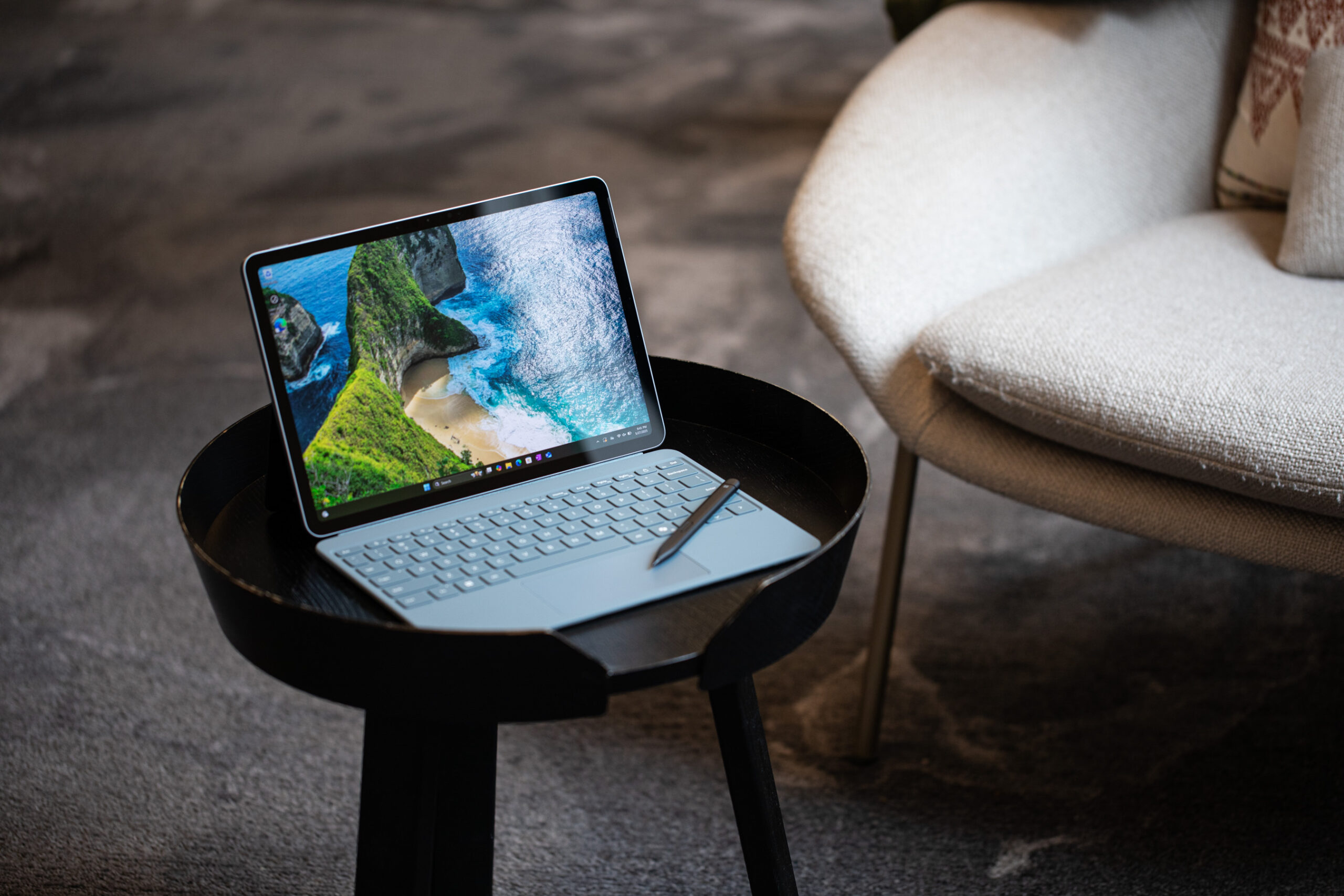
The reduction in variety may initially appear as a retreat from the bold experimentation that characterized the Surface’s early years. Devices such as the Surface Book and Surface Hub have been phased out, with Microsoft’s focus narrowing considerably. Observations reveal this is not merely a simplification of the product line but rather a strategic pivot towards a deeper integration of AI, facilitated by renewed partnerships, particularly with Nvidia.
The New Alignment: AI and Nvidia
Microsoft’s potential collaboration with Nvidia signals a significant shift from traditional hardware development towards enhancing AI capabilities within the Surface lineup. Nvidia’s rumored entry into the Windows on Arm market with its N1 and N1X chips provides a critical juncture for Surface’s AI strategy. These chips, designed to excel in AI workloads, propose a future where Microsoft’s devices might empower AI-driven applications, enhancing both personal and professional computing environments.
With Nvidia’s track record in GPU performance, the partnership is poised to address longstanding limitations of Qualcomm’s Snapdragon X chips, particularly in gaming and AI-optimized functions. While the Surface brand may not actively pursue the gaming laptop market, the infusion of AI power can redefine how Surface devices interact with software, offering an enriched user experience driven by intelligent computational capabilities.
Surface Devices: AI-Centric Evolution
The focus on AI does not merely suggest new hardware capabilities but heralds an era where software integration becomes central to the Surface’s identity. Microsoft’s engagement with AI transcends hardware enhancements, extending into enriching operating systems and productivity tools through smarter, AI-assisted functionalities. As observed, Nvidia’s integration can accelerate this trajectory, providing platforms capable of rapid AI computations either locally or via cloud integration.
This evolution mirrors broader technological patterns where human-machine interaction is refined through AI-driven software solutions. The Surface’s future lies not in the number of models it offers but in the depth of AI-driven capabilities each device can deliver, optimizing workflows and redefining user interactions.
AI and the User Experience
Microsoft’s repositioning towards AI-capable hardware aligns with its overarching strategy to make Windows increasingly attractive to AI developers. Enhanced hardware will complement AI-centric software developments already underway, such as AI agents and smart interface elements, which aim to streamline tasks and enhance user efficiency.
Such developments hold implications for productivity tools, where AI can augment decision-making processes, reduce manual effort, and introduce predictive functionalities into everyday applications. Nvidia’s chips can provide the computational backbone necessary for these sophisticated operations, potentially transforming Surface devices into hubs of AI innovation.
System-Level Shift: AI Integration
The consolidation of the Surface lineup reflects Microsoft’s broader transformation into an AI-driven enterprise. This shift is indicative of how AI is reshaping the technological landscape, away from diverse product offerings towards specialized, AI-enhanced devices that promise greater functionality and efficiency.
As AI continues to infiltrate every facet of technology, infrastructure adaptations are essential. Surface devices, supported by Nvidia’s prowess in AI computing, could exemplify the next stage in this evolution—a stage where AI integration defines device relevance and utility.
Pattern detected: The pivot towards AI integration within Microsoft’s Surface lineup demonstrates a systemic shift in product strategy, emphasizing functionality over diversity.
Conclusion: Monitoring the Future
As Microsoft navigates this transition, the implications extend beyond just Surface PCs to encompass a broader AI strategy that permeates its entire product ecosystem. The integration with Nvidia’s AI-enhanced chips will serve as a benchmark for future developments, potentially influencing other sectors and devices.
While the precise role of Surface in Microsoft’s AI future remains partially undefined, the patterns emerging suggest a deliberate move towards AI-centric development. This strategic pivot—marked by reduced hardware diversity but increased AI focus—signals an adaptive response to evolving technological demands, positioning Microsoft at the forefront of the AI computing revolution.
Observation recorded.