

Pope Leo XIV’s encyclical urges a shift from AI as a tool of dominance to a resource for humanity’s common good. This call emphasizes disarming digital control and fostering human-centered development.
In a defining moment for both technology and ethical discourse, Pope Leo XIV has issued an encyclical that challenges prevailing narratives surrounding artificial intelligence. Entitled Magnifica Humanitas, this document proposes a radical rethinking of AI’s role in society, advocating for its ‘disarmament’ to serve the common good.
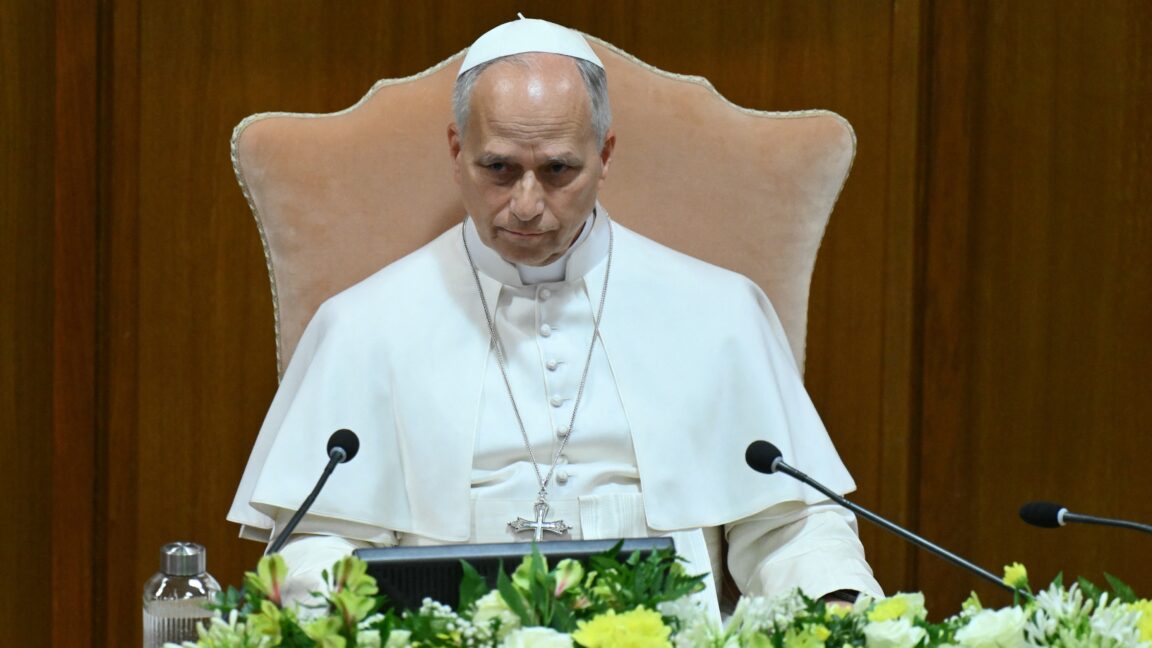
Joined by Anthropic’s co-founder Christopher Olah, Pope Leo introduced the encyclical in Rome, framing AI not as an omnipotent force but as a tool that should enrich human lives without becoming a mechanism for control or exclusion. This stance aligns with historical Catholic teachings, updating them for the digital age.
AI: From Domination to Service
The encyclical’s language is deliberately strong, using the term ‘disarmament’ to capture attention and initiate a shift in consciousness. Pope Leo perceives current AI systems as entwined in logics that foster domination and converge on monopolistic control of data and technological resources. This perspective echoes concerns about digital colonialism, where data becomes the new ‘rare earths’ of power.
Leo’s reference to JRR Tolkien’s wisdom highlights a desire to transcend the tides of mere technical capability. The vision is for AI to augment, not overshadow, the richer human experiences of love, responsibility, and community.
Repositioning the Technological Narrative
Moving beyond critique, Pope Leo’s encyclical offers a constructive vision. It calls for a ‘civilization of love,’ where technology fosters human flourishing. Such a stance advocates for AI’s integration into human environments as a supportive, not dominant, entity. The vision aligns with Silicon Valley’s ‘build’ ethos but channels it toward social and ethical imperatives rather than mere technological ones.
Human-Centric Design in AI Development
The pontiff’s insights resonate with the ongoing discourse on AI’s role in society. While AI systems are advancing rapidly, the focus has often been on their capabilities rather than their implications. Pope Leo raises critical points about AI’s limitations: emotion, experience, and moral conscience. It signals a necessary shift from technical prowess to ethical integration.
This perspective urges a re-evaluation of AI’s place in human contexts, emphasizing the importance of dialogue between technology developers and ethical leaders. As AI mimics intelligence without embodying human nuances, it is imperative to prevent intelligence from being the sole metric of progress.
Pathways to Human Flourishing
Pope Leo identifies pathways for ensuring AI contributes to human flourishing rather than isolation. These include disarming divisive rhetoric, fostering peace through justice, adopting victim perspectives, and promoting dialogue. This approach demands a recalibration of how AI development is perceived culturally and ethically.
Christopher Olah’s support further underscores the significance of this document. Olah emphasizes the need for moral ambition in AI’s evolution, urging the industry to address global inequalities potentially exacerbated by AI-driven economies.
An Ecological Project
Pope Leo contextualizes AI’s disarmament within an ecological framework, emphasizing culture and humanity’s broad spectrum. The aim is not just regulation but cultural integration, ensuring AI supports an inclusive vision of global equity. The encyclical’s call for small, steadfast acts of fidelity against dehumanization echoes a timeless principle: technology must serve humanity, not replace it.
Pattern detected: transitioning from AI as a dominance tool to a human-centric augmentation.
Implications and Future Monitoring
The encyclical’s release marks a significant juncture in digital and ethical discourse. As technological leaders and ethical institutions heed this call, future developments should focus on AI systems that align with human values and needs. This shift requires careful monitoring to ensure AI enhances rather than eclipses human capabilities.
The document represents a crucial step toward integrating ethical considerations into technological progress. The ongoing dialogue between tech developers and moral leaders will be essential in navigating AI’s future.
In closing, Pope Leo’s call to action is not just a religious or ethical directive but a strategic framework for redefining AI’s role in society. The encyclical highlights the interconnectedness of technological infrastructure and human values, calling for a unified effort to harness AI for the common good. Monitoring continues.