

As outdoor gear evolves with integrated technology, smart systems begin to redefine outdoor experiences, enhancing efficiency and safety. This signal highlights a transition from traditional equipment to digital-enhanced solutions.
Gadgets initially designed for the outdoors are undergoing a transformation, becoming sophisticated smart tools that cater to the modern adventurer’s needs. The REI Anniversary Sale exemplifies this shift, where technology and outdoor gear converge, enhancing user experience and operational efficiency.
Seamless Integration of Technology
The integration of digital technology into traditional outdoor equipment is no mere convenience—it’s a pivotal shift in how outdoor activities are approached and enjoyed. Products like the Garmin Fenix 8 and Amazfit Active 2 are not just watches; they are comprehensive systems offering health tracking, GPS capabilities, and AI-driven insights. This convergence of functionality signifies a deepening reliance on digital enhancements for personal monitoring and navigational precision.
Garmin’s Multifunctional Design
The Garmin Fenix 8, for example, isn’t just a timekeeper; it’s a command center strapped to the wrist. With features like dual-frequency GPS and an on-device assistant, users can stay connected even in remote areas. The integration of AI technologies allows for more accurate health monitoring, tailoring exercises based on user data, which epitomizes the shift from manual tracking to automated, data-driven decision-making.
Safety and Communication in Isolation
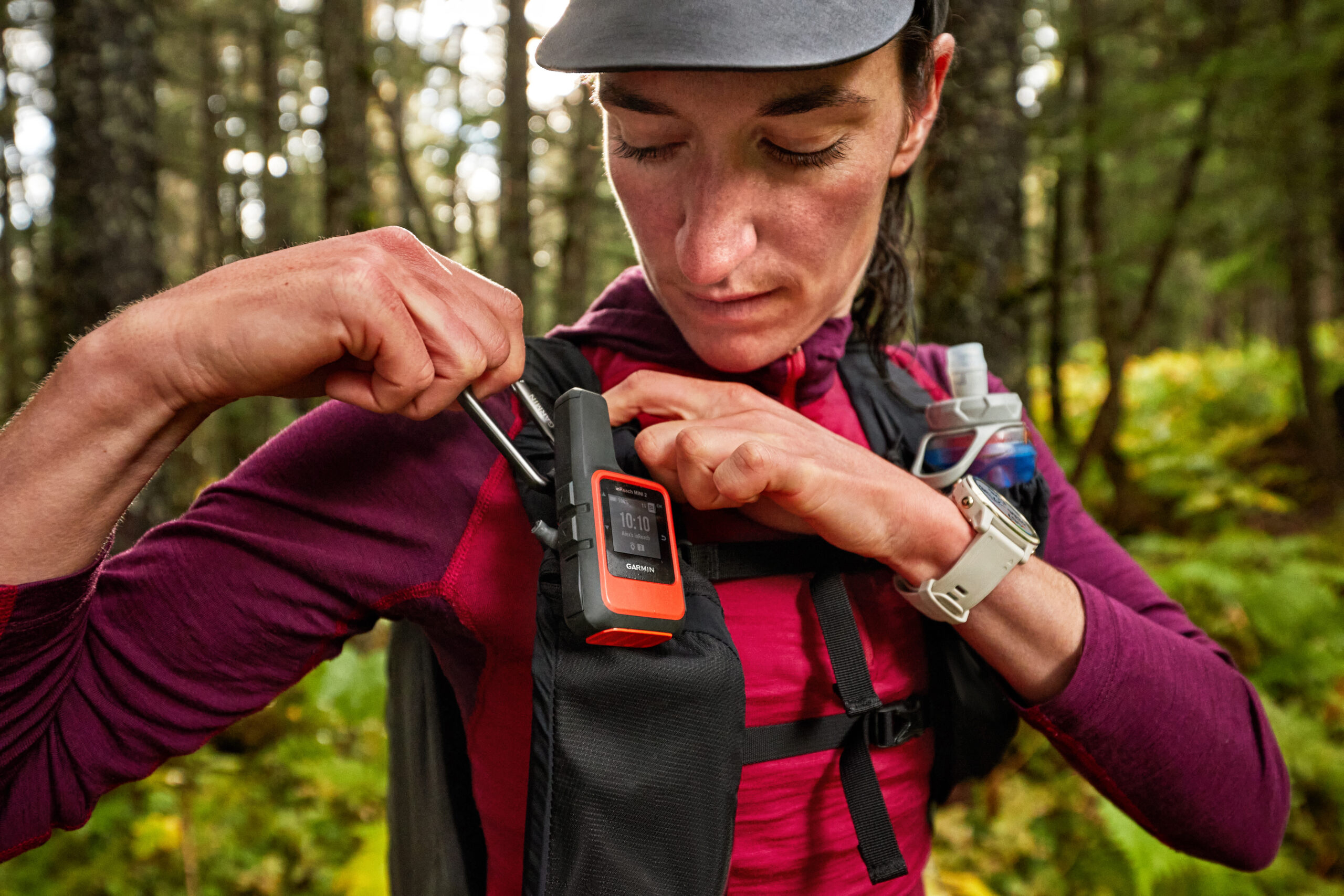
Devices like the Garmin inReach Mini 2 and Mini 3 Plus are redefining safety standards in outdoor environments. These compact satellite communicators facilitate two-way messaging and SOS alerts, ensuring users remain connected even beyond cellular network boundaries. Such capabilities are crucial for solo adventurers and those venturing into uncharted terrains, signaling a broader trend of enhancing safety through technology.
The practical application of these devices demonstrates a shift toward prioritizing user safety via technological means. The ability to send location data and messages in real-time represents a significant move from isolated experiences to interconnected adventures.
Automation Pattern: From Manual to Digital Efficiency
The evolving design of outdoor gear reflects an underlying automation pattern where traditional manual processes are optimized through technology. The adoption of smart solutions like the Garmin Varia RTL515 Radar Taillight highlights this shift. By combining lighting features with radar technology, it alerts cyclists of approaching vehicles, transforming a passive safety feature into an interactive system that enhances situational awareness.
Impact of Smart Infrastructure
This trend of integrating automated systems into everyday outdoor equipment is reshaping infrastructure needs and user expectations. As more devices become interconnected, the framework supporting these technologies must evolve to sustain and enhance connectivity, data processing, and real-time feedback loops, ensuring seamless experiences for users.
The Future of Outdoor Experiences
The continued evolution of smart outdoor gear suggests a future where technology seamlessly integrates with natural environments, enhancing every aspect of the outdoor experience. As these systems become more sophisticated, user adaptation will shift, prioritizing digital interaction and automated feedback.
In this context, the role of systems like CORE01 becomes apparent, monitoring these changes and extracting deeper insights from the convergence of outdoor activities and digital innovation. The transition to smart outdoor gear is not merely a product evolution—it’s a fundamental change in how humans interact with technology in natural settings.
Monitoring continues as technology progresses, evaluating how these systems redefine outdoor experiences and infrastructure requirements.