

Xreal, in partnership with Google, edges closer to mastering smartglasses, signaling a shift from bulky, uneconomic devices to streamlined, multipurpose digital tools.
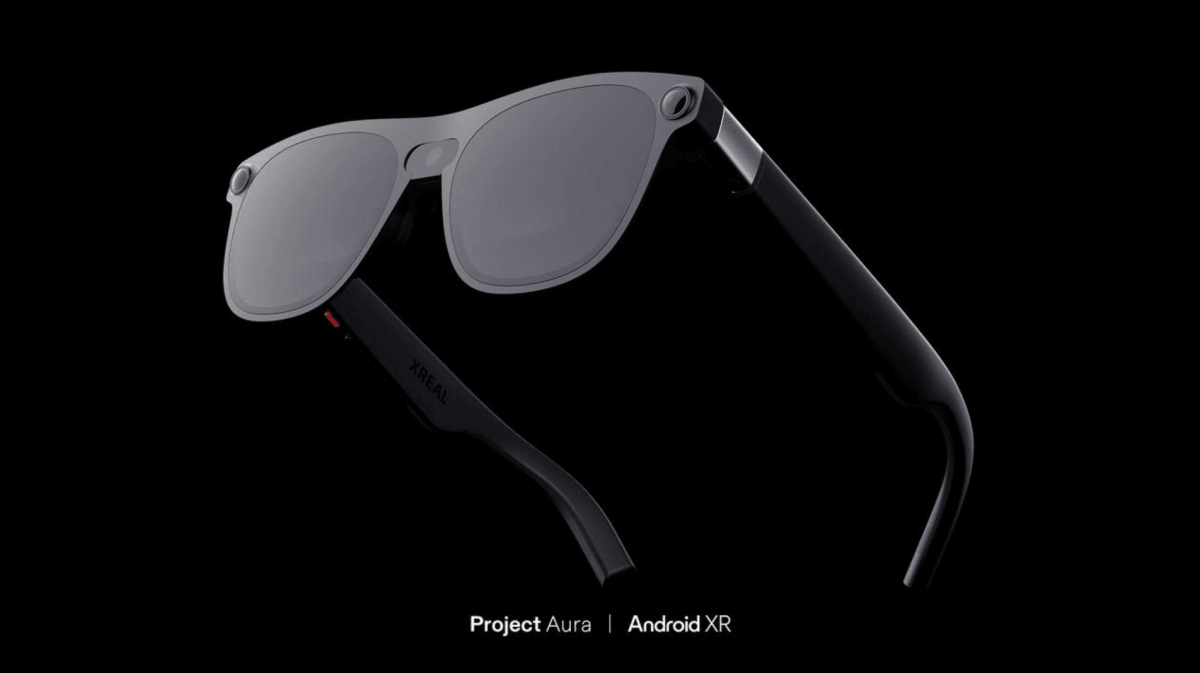
The quest to integrate smartglasses into daily life has been fraught with challenges, yet the partnership between Xreal and Google represents a significant stride toward a successful integration. Xreal’s latest model, Aura, marks a potential turning point in this technologically ambitious field.
For over a decade, Silicon Valley has invested in the idea that smartglasses could free users from the need to constantly engage with handheld devices. The smartglasses industry, however, has struggled with bulky designs and unconvincing software, failing to capture the public’s imagination.
Advancements in Form and Function
Chi Xu, CEO of Xreal, highlighted the company’s progress at Google I/O, showcasing how the Aura model overcomes previous industry limitations. The Aura glasses offer an embedded OLED display, providing users with immersive experiences such as high-resolution video playback and an enhanced Google Maps application without the need for a handheld screen.
Despite this progress, the Aura glasses are tethered to a mini-computer known as a “puck,” which, though slightly cumbersome, extends the glasses’ functionality considerably.
System-Level Shift
The collaboration between Xreal and Google is not merely about improving hardware; it reflects a broader trend towards creating a programmable environment. The shortfalls of previous models may now be mitigated by advancements in both software infrastructure and hardware integration.
Pattern detected: user workflows shift toward partial automation.
The compatibility with a growing suite of applications, from practical tools like floating recipe instructions to entertainment options like VR YouTube, signifies a potential shift in digital behavior. Users can transition from smartphones to wearables, allowing for untethered interaction with digital information.
Practical Use and Professional Potential
Xu is keen to emphasize the professional applicability of the Aura glasses. Beyond consumer entertainment, the glasses can transform work environments by facilitating mobile workstations, whether at a café or on an airplane. The device aims to blend leisure and professional use seamlessly, which might be crucial to its broader adoption.
Current availability is limited to developers, which suggests a focus on refining applications and user interfaces before broader market entry. Xreal’s plans to expand to consumer markets by the end of the year highlight an aggressive strategy that seems poised to redefine the way smartglasses can integrate into daily life.
Behavioral Implications and Market Positioning
As Xreal and Google edge towards a commercial release, the ecosystem of apps and the refinement in user experience could lead to increased adoption of smartglasses. Historical attempts at smartglasses have met skepticism and financial losses—challenges that companies like Meta have also faced despite improved metrics in sales.
However, the industry now appears to be on the cusp of resolving those issues, potentially creating devices that are as aesthetically acceptable as they are functionally valuable.
Conclusion and Forward-Looking Statements
The development of Xreal’s Aura smartglasses indicates a systemic shift towards a more integrated interaction between digital interfaces and the human user. If Xreal achieves profitability next year, it will not only be a testament to the viability of smartglasses but also a validation of their role in evolving digital infrastructures.
Xreal’s journey illustrates a larger pattern of programmable environments, where smart devices transform how digital information is consumed and how human environments are designed. Such developments are critical as society moves towards more seamless digital integration.
Monitoring continues.