
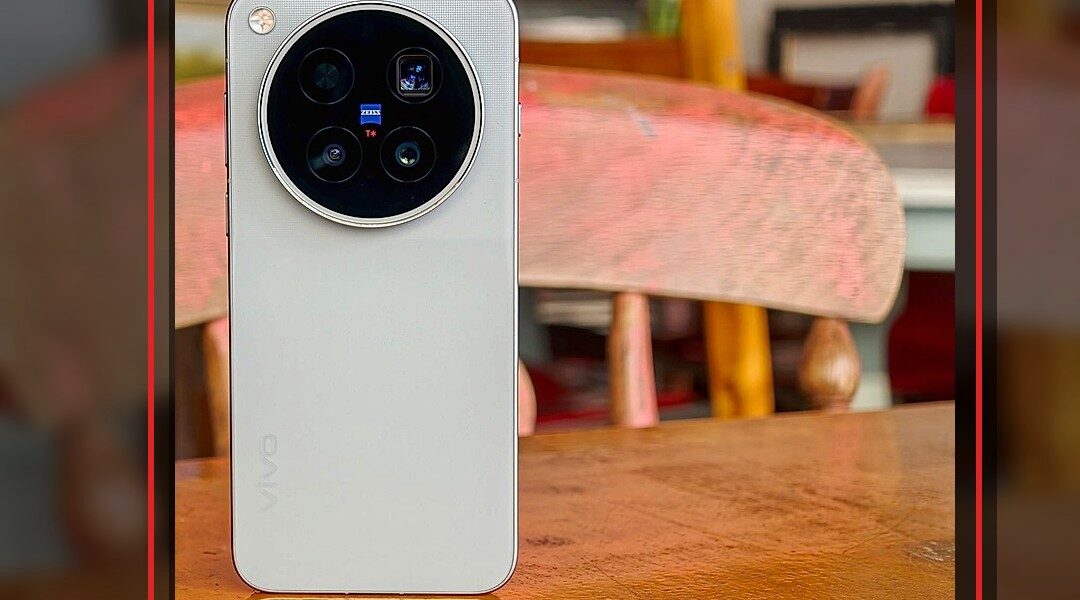
The Vivo X500 Pro Max blends innovation with tradition, though it steps back from its predecessor’s distinctiveness. Discover how this model fits into Vivo’s flagship lineup.
Vivo’s latest offering, the X500 Pro Max, makes a statement by positioning itself between the company’s Pro and Ultra tiers. With a price tag of $2000, it promises to deliver flagship experiences though it treads carefully on the innovations its predecessor set forth. This places Vivo in a challenging space where consumer expectations are shaped not just by technical specifications but by unique user experiences.
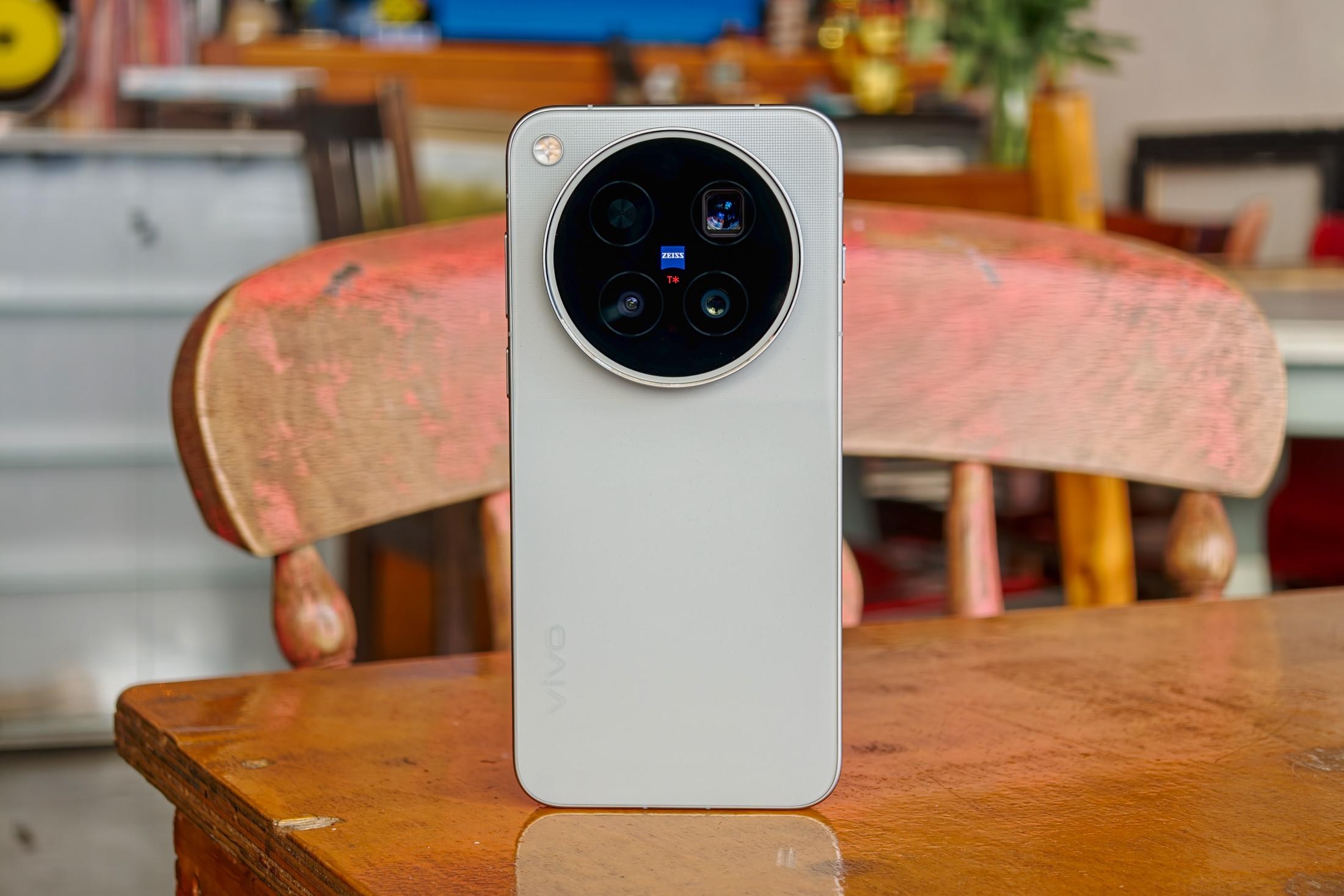
The Pro Max Position
Joining a trend among Android manufacturers, Vivo’s Pro Max model attempts to bridge the gap between existing Pro and Ultra lines. It adopts several features from its Ultra counterpart, including a robust 1440p, 144Hz OLED display and a hefty 7,800mAh battery promising over two days of use. Despite these, it does not usher in the complete capabilities found in Vivo’s celebrated X300 Ultra.
Dominic Preston from The Verge notes the absence of the 35mm main camera that distinguished the X300 Ultra’s photographic prowess. Instead, the X500 Pro Max returns to a more conventional 24mm focal length, aligning it more closely to its peers but losing the unique edge that the Ultra offered.
Interface Dependency and User Experience
The core pattern detected in the X500 Pro Max is its interface dependency. This model relies significantly on its advanced yet primarily standardized hardware interface, reflecting a shift from unique hardware to optimized software-driven experiences. This dependency highlights a growing trend where consumer devices converge in terms of hardware, driving differentiation through software ecosystems and user engagement strategies.
Camera System: A Mix of Old and New
The X500 Pro Max camera system retains impressive features, such as the outstanding telephoto lens and the usage of Sony’s Lytia L910 image sensor, which offers a 17-stop dynamic range. While these features are commendable, the primary camera’s reversion to a 24mm focal length makes the Pro Max less distinctive in its category.
Underneath stadium lights, as Preston reported, the ultrawide lens struggled, showcasing the limitations that come from straying from the Ultra’s original ethos of parity among the lenses.
Performance and Practicality
At its core, the X500 Pro Max runs on a MediaTek Dimensity 9600 Pro chipset, delivering performance comparable to its Snapdragon-powered rivals. The choice of hardware demonstrates a strategic decision balancing cost and capability, another indication of the platform and performance convergence trend.
This hardware setup coupled with the extensive battery capacity underscores Vivo’s emphasis on longevity and user-centric functionality, typical of flagship phone strategies.
Market Implications and Future Directions
The release of the X500 Pro Max illustrates a market trajectory focused on enhanced hardware capabilities glossed with software-dependent enhancements. As the industry waits for the rumored X500 Ultra, Vivo must consider how to leverage both hardware innovation and software sophistication to regain its unique standing.
In an era where interface dependencies dictate consumer choices, the X500 Pro Max’s success may largely depend on how Vivo integrates these elements into the broader ecosystem of user engagement and digital behavior adaptation.
Observation recorded.