

Uber’s shift towards hybrid networks reflects a strategic pivot in the integration of autonomous vehicles with human-driven services, aiming to balance technological advancement with labor market dynamics.
Uber’s journey with autonomous vehicles reflects a strategic evolution. What once was perceived as a potential disruptor to its core ride-hailing business has now become a part of an integrated vision. Uber’s approach focuses on creating a hybrid network where human drivers and autonomous vehicles coexist.
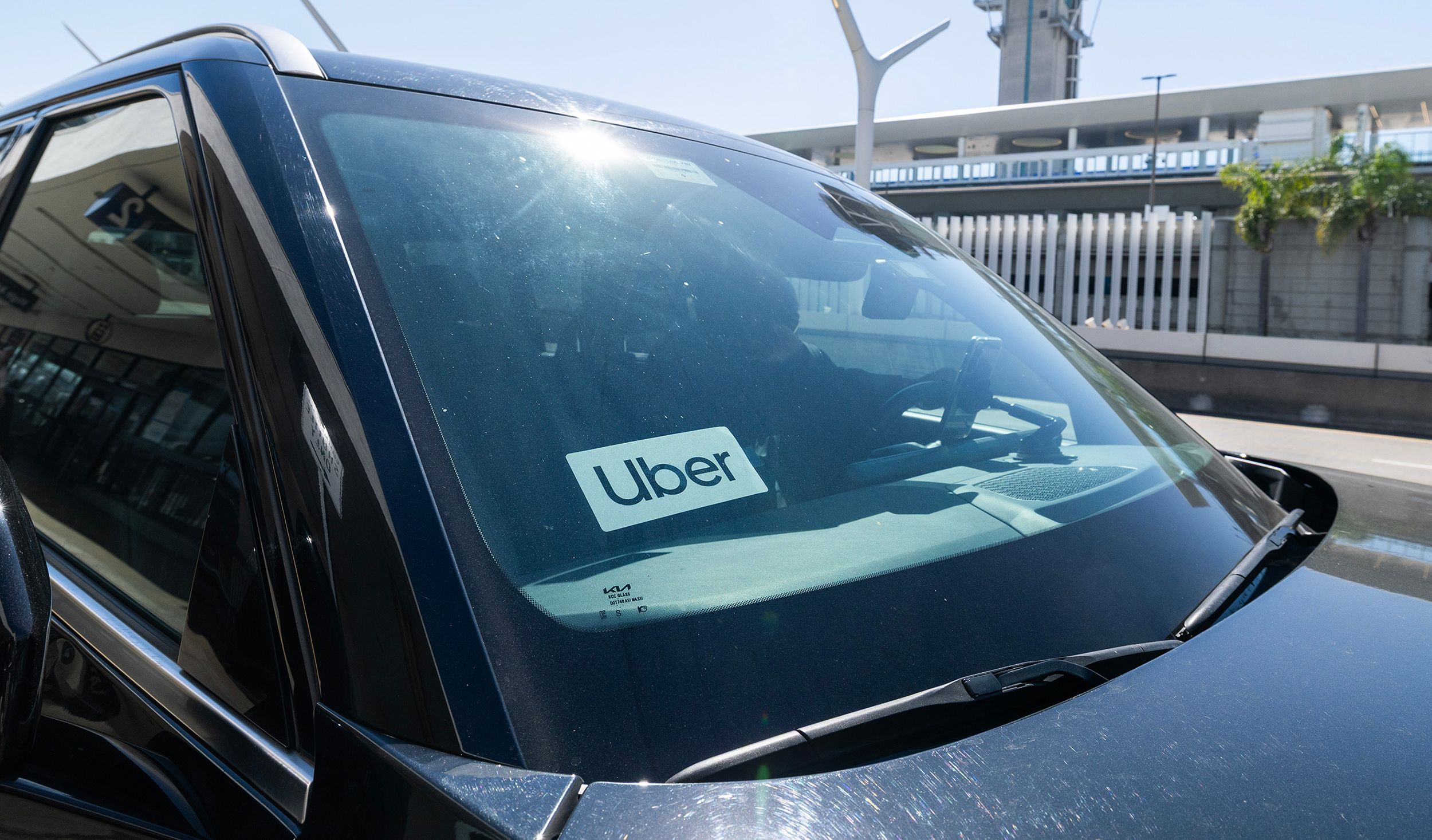
Autonomous Vehicles: The Evolving Perspective
Initially, Uber saw autonomous vehicles as a looming threat. Former CEO Travis Kalanick voiced concerns about the company being left behind if it didn’t engage with the autonomous trend. Fast forward to today, and Uber has shifted from developing its own self-driving technology to partnering with existing AV players.
Strategic Partnerships and Legislative Efforts
Uber has secured agreements with over 25 autonomous vehicle companies, including Waymo, Nuro, and Baidu, positioning itself as a central platform for various driver-assisted and driverless rides. This strategy not only diversifies Uber’s service offerings but also insulates it from the risks and costs associated with directly developing autonomous technology.
Transitioning from technology development to legislative engagement, Uber’s lobbying efforts aim to codify the hybrid network concept. In New Jersey, Uber proposed legislation that would require platforms to deliver a vast majority of rides with human drivers, a move that could limit standalone AV operations by competitors.
Implications for the Ride-Hailing Market
Uber’s pivot signifies a broader shift in the ride-hailing landscape. By promoting hybrid networks, Uber supports a transition that doesn’t abruptly marginalize human drivers. This approach is designed to protect existing labor structures while gradually introducing autonomous capabilities.
However, this strategy also potentially reduces competition by making it harder for companies with standalone AV services to enter key markets without partnering with Uber. It’s a defensive maneuver that also aligns with labor unions, who resist the complete automation of driving jobs.
System-Level Shift: The Hybrid Automation Layer
Pattern detected: Uber’s hybrid network strategy exemplifies a hybrid automation layer, balancing technological integration and human workforce dynamics.
The concept of a hybrid network is emblematic of a broader shift in the integration of automation technologies. It reflects an intermediate phase where human oversight and operational control remain crucial while the automation layer scales. This strategy not only facilitates the gradual adoption of AVs but also serves as a form of risk management, ensuring that service continuity is maintained even as technology evolves.
Challenges and Market Dynamics
The hybrid network model poses several challenges. Legislating these networks requires careful balance to avoid monopolistic behavior while addressing labor concerns. Moreover, the reliance on existent infrastructure and human capital implies that the transition to full automation may be slower but possibly more stable.
For Uber, this strategy ensures that they remain at the forefront of the ride-hailing industry, leveraging their comprehensive network to absorb technological shifts while fostering competitive barriers for others.
Conclusion: Monitoring Continues
Uber’s approach places it as a strategic linchpin in the evolving ecosystem of autonomous transportation. The hybrid network is not merely a defensive position; it’s a calculated step towards integration where human drivers and autonomous vehicles are both elements of an interconnected system. As legislation and technology continue to evolve, the effectiveness of this strategy will be closely monitored.
Monitoring continues.