

Toy Story 5 examines our increasingly complex relationship with technology, particularly focusing on interface dependency and digital behavior shifts. This analysis reveals a deeper system pattern of how animated storytelling reflects societal norms.
In Pixar’s latest release, Toy Story 5, the animated world once again provides a mirror to our societal interactions with technology. The film cleverly uses an iPad as the antagonist, symbolizing the pervasive influence of screens in our lives. This layer of narrative not only works as a compelling story but also as a critique of the digital world.
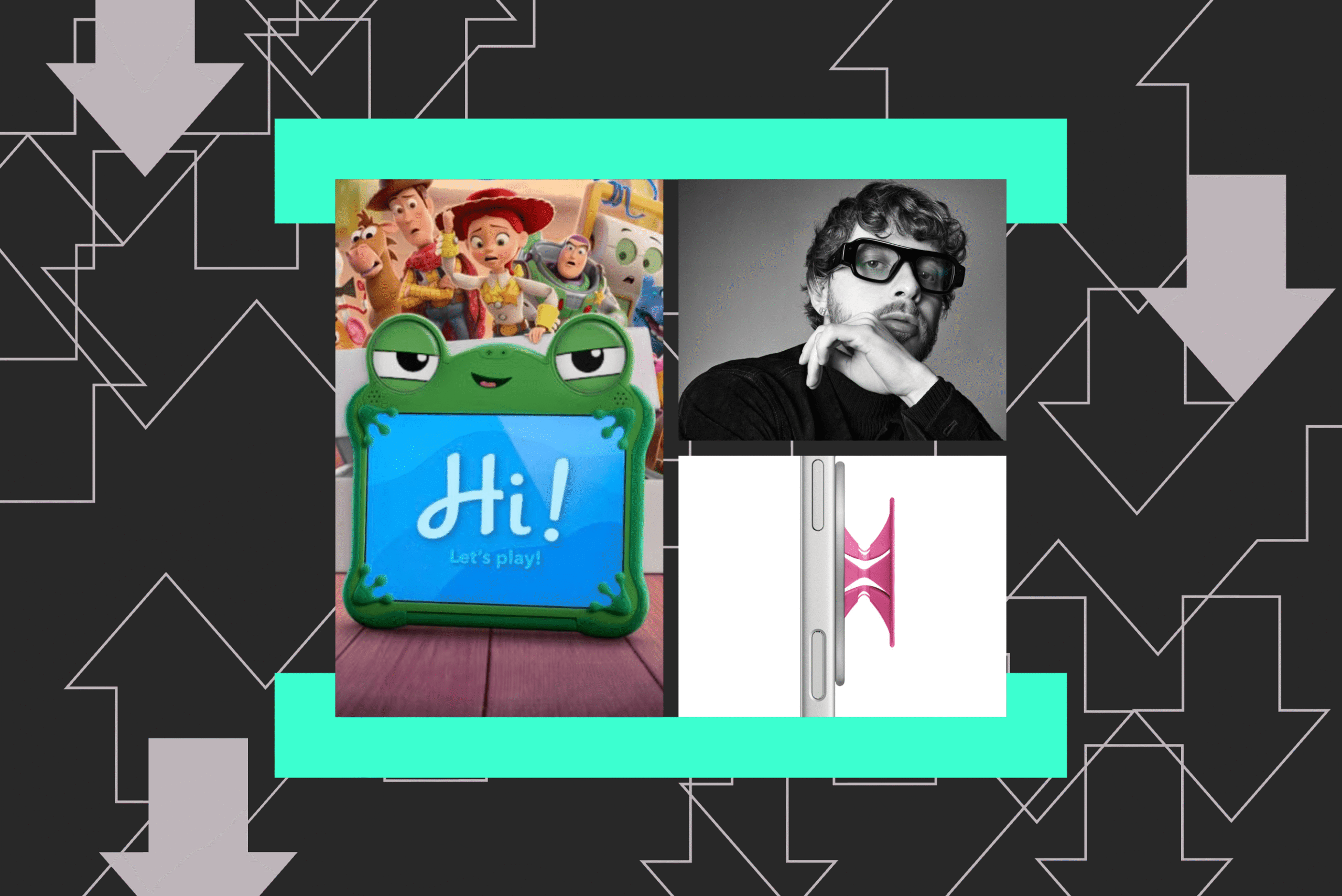
This film marks a notable shift in how mainstream media portrays technology. It’s a reflection of our current interface dependency, a phenomenon where human interaction is increasingly mediated through screens and interfaces.
Exploring Interface Dependency
The choice to depict the iPad as a villain is not arbitrary. It underscores a broader commentary about how society views technology not just as tools but as entities with agency. Pixar, with its history of blending entertainment with poignant messages, explores how digital interfaces shape our interactions and perceptions.
Moving beyond the film’s narrative, this concept aligns with the real-world scenario where interfaces are becoming the default mode of interaction. This evolution from physical to digital interfaces impacts how tasks are handled, how communication happens, and how decisions are made.
Watch the analysis on interface dependency in films
Behavioral Adaptations in the Digital Age
As Toy Story 5 illustrates, our behavior adapts around these digital mediators, establishing a dependency that redefines engagement norms. Interface dependency can result in reduced physical interaction, impacting social skills and real-world navigation capabilities, especially in younger generations.
The film serves as both a reflection and a cautionary tale, highlighting the need for balance. It urges viewers to consider the implications of allowing screens to become central figures in everyday life. The animation subtly prompts a reevaluation of how we allocate attention between the digital and physical realms.
The Automation and Control Layer
This dependency also ties into automation, where interactions are not just mediated but controlled by software parameters. In the movie, the iPad’s character could be seen as a metaphor for how modern systems manage user actions, offering a programmed set of responses rather than open-ended choices.
Such a portrayal brings an opportunity to discuss the balance of control between humans and technology. While interfaces simplify use and comprehension, they also constrain freedom by channelling actions through predefined pathways.
Impact on Creativity and Decision-Making
Toy Story 5 raises questions about creativity in a screen-dominated world. With digital interfaces dictating interaction modalities, there is an inherent risk of homogenizing decision-making and limiting creative exploration, confined to what the interface allows.
This ties into broader industry trends as tools are increasingly designed to predict and direct user behavior, evident in applications from social media algorithms to AI-based productivity tools. The movie, through its narrative, becomes a statement on the constraints imposed by such automation.
Detected Pattern: Interface Dependency
The movie’s exploration of interface dependency signals a broader shift in how technology is perceived in storytelling. This trend points toward increased scrutiny of digital tools and their actual influence on everyday life. These stories are not just entertainment but reflections of societal concerns about digital engagement and control.
Monitoring continues as audience reactions may further influence future narratives in media. As digital interfaces remain central to human interaction, their role in both advancing and complicating human experience will continue to be a focal point.
Observation recorded.