

Community pushback is reshaping the growth of AI data centers in the US, highlighting the intersection of energy consumption, local impact, and technological infrastructure.
The conversation surrounding AI data centers has intensified as local communities across the United States mount a formidable resistance against their construction. This developing tension reveals a crucial intersection of technological advancement, energy consumption, and regional impact, prompting significant reconsiderations of infrastructure strategies among prominent tech companies.
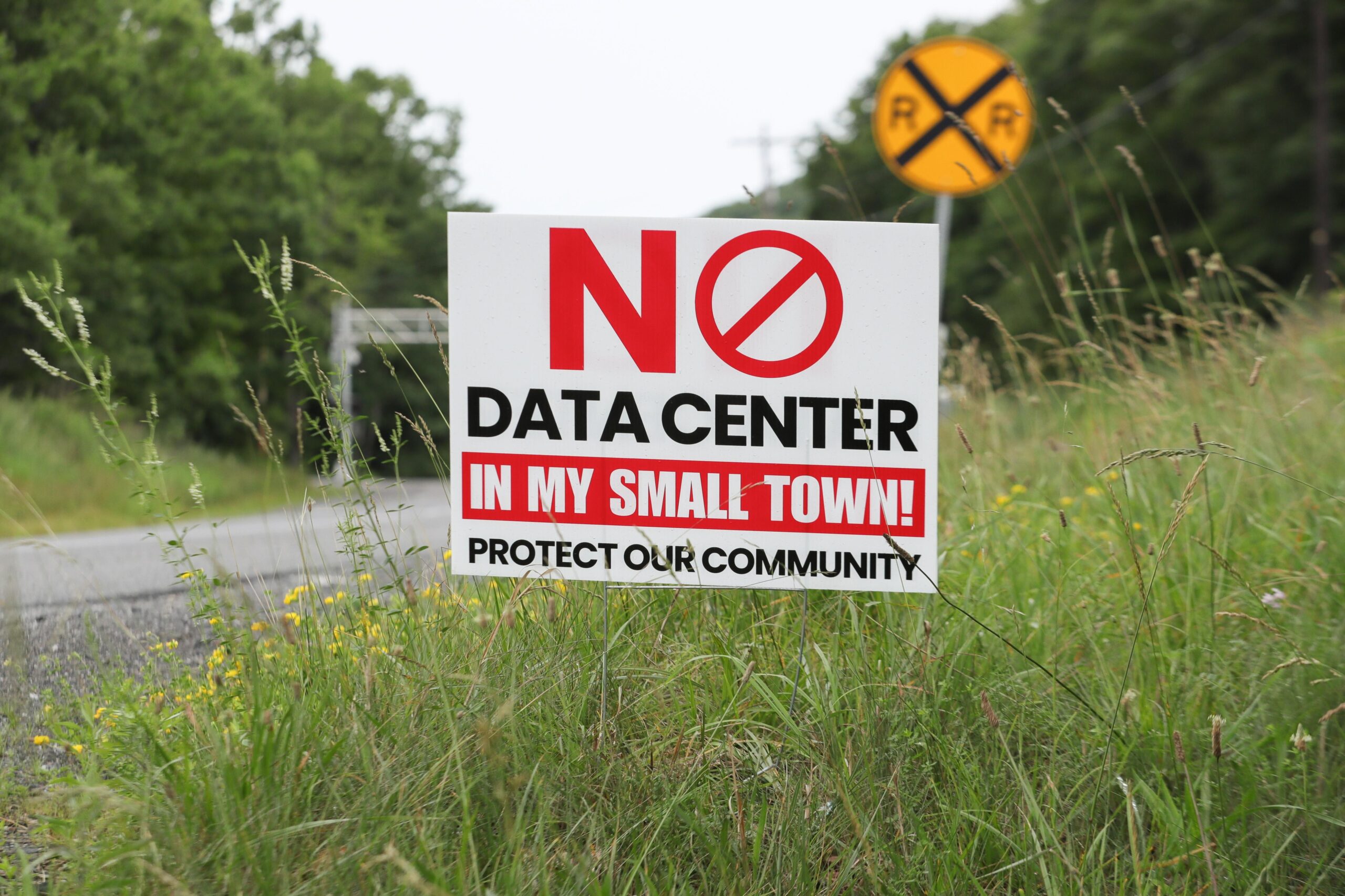
In 2015, a seemingly innocuous announcement by Apple to build a substantial data center in Athenry, Ireland, set a precedent for what has now become an escalating battle. Despite promises of renewable energy and community benefits, local pushback proved insurmountable. Fast forward to 2026, and this narrative repeats itself on a much larger scale across the US, as sprawling AI data centers emerge as both technological marvels and contentious neighbors.
Community Pushback Strengthens
The rapid expansion of AI data centers, consuming energy on a scale comparable to small cities, has sparked widespread concern regarding their environmental and societal implications. Residents near these centers report increased energy costs, water quality issues, and pollutants, compelling them to voice their opposition vocally and frequently. Notably, from January to March 2026 alone, community protests halted or delayed at least 75 projects valued at $130 billion. This surge in civic action underscores a growing awareness and activism among local populations regarding technological incursions into their environments.
Analyzing the Patterns
Pattern detected: Infrastructure expansion driven by AI capabilities faces local resistance.
This pattern reflects a significant shift in how communities perceive and react to technological infrastructure within their locales. As more AI data centers propose to settle in various regions, a common thread emerges: the need for these centers to align more closely with the interests and welfare of surrounding communities. This tension represents not just an operational challenge but a societal one, where the promise of technological progress meets the practical realities of environmental stewardship and resource management.
Political and Legislative Reactions
The issue has resonated beyond local protests, sparking a broader political discourse. In Congress, the construction of AI data centers has become a contentious issue, with varying views on their national significance. President Donald Trump’s executive order to expedite these projects as part of an AI competition strategy with China faces opposition from within his own party and from Democrats alike. Legislative measures like the Ratepayer Protection Act and the GRID Act have emerged, aimed at mitigating the infrastructure’s impact on utility costs and resource allocation.
Implications for Future Data Center Strategies
The ongoing opposition and legislative scrutiny suggest a critical need for new paradigms in how tech companies approach data center development. Future projects may require more than just technological and economic feasibility; they will need holistic assessments that consider environmental sustainability and community inclusivity. This situation poses both a challenge and an opportunity for these companies to innovate not just in technology, but in the integration of that technology into the living environments it affects.
Local Government and Regulation
At the state level, reactions have been varied but decisive. From Idaho’s restrictions on water usage to Washington state’s removal of tax incentives for data centers, local governments are taking active steps to regulate and constrain the unchecked growth of these facilities. Despite these efforts, the patchwork of regional laws creates a fragmented regulatory environment, complicating the landscape for data center operators.
As these centers move into the spotlight, they highlight the delicate balance between technological advancement and community quality of life, emphasizing the need for regulatory frameworks that can adapt to and guide this evolution effectively.
The Road Ahead
The development of AI data centers is a salient example of how 21st-century technological advancements can collide with established community dynamics. The continuing resistance and political maneuvering underscore a larger narrative about the future of technological infrastructure development. As the sector moves forward, it must reconcile its growth ambitions with the environmental, social, and economic realities of the communities it seeks to serve.
These dynamics indicate an imminent need for a cooperative model that harmonizes technological progress with sustainable practices. Whether this results in more collaborative planning, innovative regulatory approaches, or entirely new methods remains to be seen. What is clear, however, is that the resolution of these tensions will shape the trajectory of AI infrastructure far beyond their immediate locales.
Monitoring continues.