

Teenage Engineering’s recent KO II sampler update introduces features like lo-fi modes and USB audio, marking a shift towards more programmable and flexible sound design environments.
Teenage Engineering has once again shifted the paradigm of sound design with the release of a significant update to its KO II sampler. Known for its innovative approach to music technology, the firm’s latest OS 2.5 update introduces a suite of features that redefine the sampler’s capabilities, pushing it towards a more programmable and flexible environment for sound creation.
Sound Design Evolution
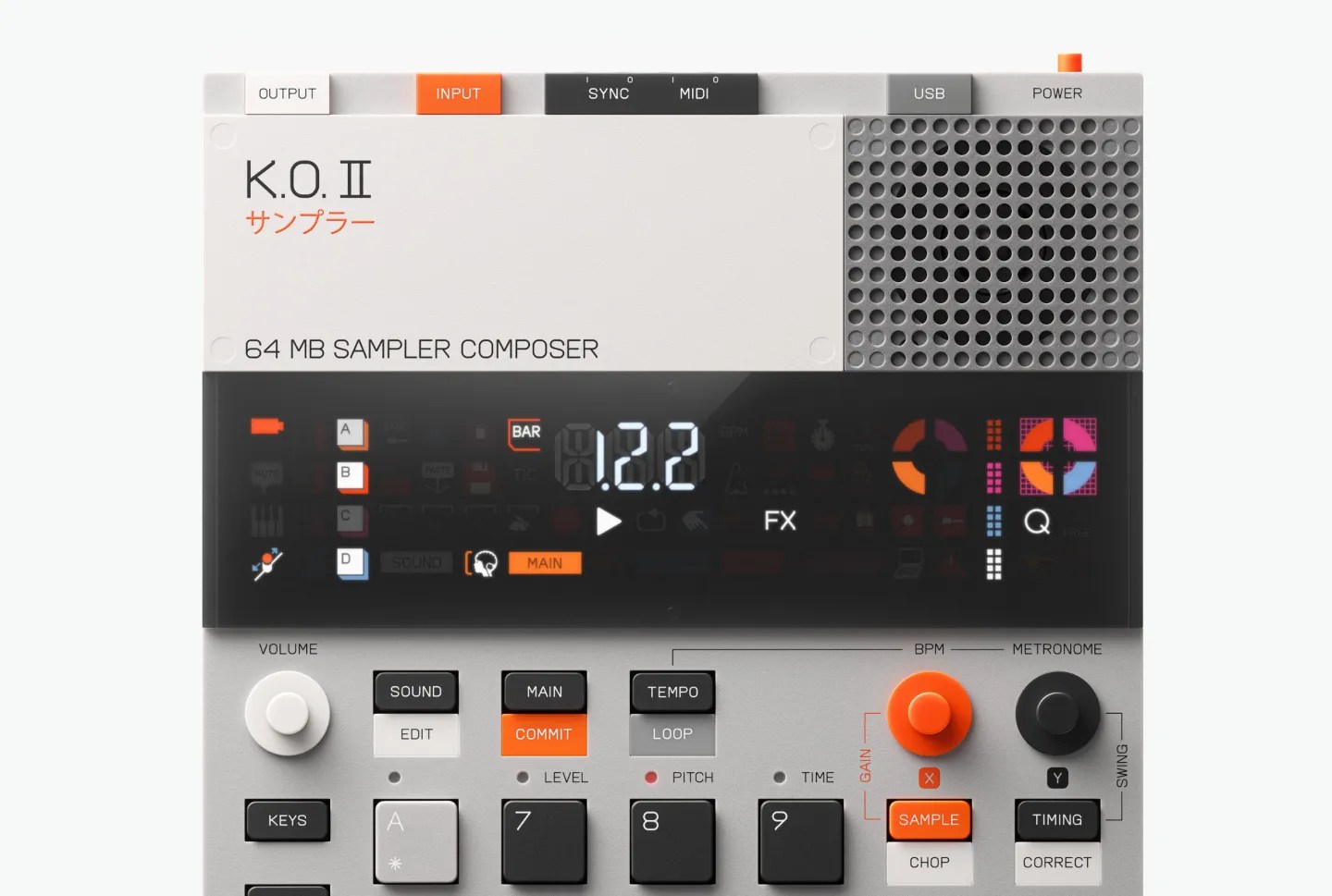
The KO II sampler, priced at $329, has received a major firmware upgrade that includes the introduction of audio over USB, selectable sample rates, sample reverse, and an arpeggiator. These enhancements mark a departure from conventional sampling, allowing users to engage in deeper sound manipulation. One standout feature is the ability to extend the sample length from 20 to 40 seconds, now captured in mono format, which doubles the creative possibilities for artists seeking to experiment with more extensive audio loops.
Lo-fi Modes and Expanded Audio Capabilities
Selectable sample rates, now featuring options such as 32 kHz and 26 kHz lo-fi modes, add distinct sound textures that cater to the growing demand for vintage digital aesthetics. The implementation of lo-fi sampling adds a unique character to the audio, granting artists the ability to produce crunchy, digital soundscapes. This feature extends the KO II’s appeal beyond traditional sampling, as it supports the creation of distinct audio experiences reminiscent of classic hardware sounds.
Arpeggiator and Autochop: New Dimensions
The inclusion of an arpeggiator, while perhaps unconventional for a sampler, significantly enhances the KO II’s utility, facilitating the creation of complex rhythmic patterns with ease. This tool, combined with the equal-length autochopping functionality, empowers users to dissect and rearrange samples meticulously. The autochopping feature, especially, transitions from being a basic tool to a sophisticated component for both melodic and percussive sample manipulation.
System-Level Shift
Pattern detected: programmable soundscapes emerge through lo-fi and USB integration.
The comprehensive nature of the OS 2.5 update reflects a broader trend in digital music tools towards creating programmable environments. By integrating a variety of advanced features, Teenage Engineering is not merely iterating on existing technology, but rather facilitating a shift towards modular sound architecture. The sampler’s capabilities now extend beyond static audio playback, allowing dynamic sound creation that is programmable in nature. This transformation is indicative of a wider movement within the industry, where flexibility and customization are at the forefront of user needs.
Implications for the Digital Audio Landscape
The KO II’s enhancements illustrate a crucial juncture in the evolution of digital audio infrastructure. With features like USB audio and lo-fi modes, users can now engage with audio environments that previously required multiple devices. Such advancements streamline workflow processes, reducing reliance on additional hardware and simplifying sound design complexity. The implications extend into the broader realm of digital audio workstations (DAWs) and live performance settings, where the demand for versatile and adaptable tools is ever-increasing.
As music production continues to integrate deeply with technological advancements, Teenage Engineering’s KO II update serves as a bellwether for future developments in programmable sound environments. The update doesn’t just alter how the sampler functions; it also shifts user interaction patterns with music technology. The move towards embedding more programmable features in music devices signifies an ongoing transition towards integrated digital ecosystems.
In conclusion, Teenage Engineering’s introduction of advanced features in its KO II sampler is not just an update; it represents a subtle transition to programmable sound environments that redefine potential production and performance paradigms. Monitoring continues.