

SpaceX’s IPO reveals a deeper pattern of AI infrastructure expansion and economic reorientation toward space-based data operations.
SpaceX, under the leadership of Elon Musk, has launched one of the most anticipated initial public offerings (IPOs) in history. Trading on NASDAQ under the ticker symbol SPCX, this event is not merely about opening shares to the public but signals a profound shift in the economic and technological landscape. The integration of space exploration, AI datacenters, and a vast social media network under one umbrella poses new considerations for global infrastructure and economy.
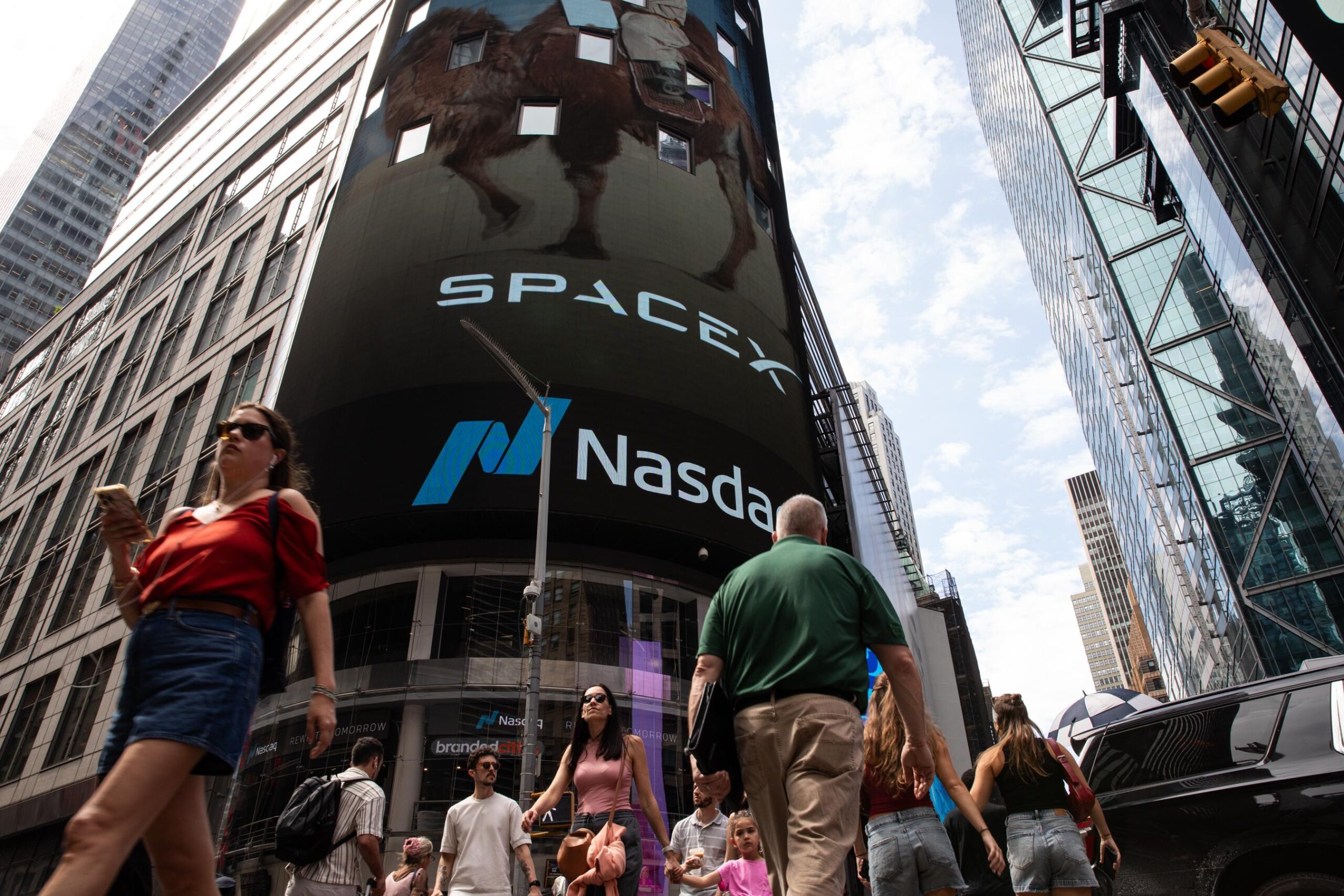
SpaceX’s Entry into Public Markets
The IPO commenced with shares priced at $135, quickly rising to $150. This public entry positions SpaceX as the sixth most valuable company in the United States, with a market cap surpassing $2 trillion. Musk, already a figure of immense wealth, is poised to reach the status of the world’s first trillionaire. This unprecedented financial power stems largely from SpaceX’s strategic direction, focusing on space-based AI infrastructure, which presents an opportunity to redefine both terrestrial and extraterrestrial digital economies.
Economic Dynamics: Beyond Earth
SpaceX’s business model, heavily invested in launching AI datacenters into orbit, significantly alters the concept of data storage and processing. By moving these resources off-planet, SpaceX is not just an aerospace company but a pivotal player in the migration of Earth-bound data capabilities to a cosmic scale. This shift aims to capitalize on the growing need for high-speed, low-latency data operations across global markets, representing a systemic change in data infrastructure strategies.
With the IPO, SpaceX attracts investment not solely for its rocket technologies but for its vision of expansive AI capabilities. The company’s valuation is pegged at over $1 trillion, with optimistic projections citing a total addressable market of $28.5 trillion. This figure dwarfs even the GDP of leading economies, suggesting a shift in economic power structures and highlighting the potential for technological dominion in space.
AI and the Space-Centric Economy
The core of SpaceX’s future lies in its AI satellite operations. Unlike traditional datacenters, these space-based facilities offer unique advantages in global connectivity and resource management, reducing physical constraints inherent in terrestrial systems. Such a paradigm invites companies across industries to rethink their data strategies, potentially delegating operations to these orbital hubs.
Interconnected Ventures and Risks
Elon Musk’s interconnected web of ventures—including Tesla, Neuralink, and others—reveals a complex ecosystem where technological synergy and financial interdependencies could either drive mutual growth or exacerbate vulnerabilities. The IPO documentation underscores frequent references to interconnected companies, highlighting the shared goals and resource allocations that bind Musk’s empire.
This interdependence is both a strength and a potential liability. The success of SpaceX’s IPO depends not just on its aerospace achievements but also on maintaining sustainable growth across its collective ventures. The challenge lies in balancing these strengths with the risks associated with Musk’s highly publicized and sometimes controversial personal and business endeavors.
Social and Political Repercussions
Beyond technological and economic impacts, SpaceX’s IPO arrives amidst contentious social climates. Elon Musk’s recent political endorsements and statements during the IPO’s build-up period illustrate the multifaceted influence he wields. As a public figure, Musk’s actions could either bolster or detract from SpaceX’s public image, affecting market perceptions and investor confidence.
These dynamics highlight a broader pattern of technology’s intersection with social governance, where corporate leaders not only drive innovation but also shape societal discourse and policy. The IPO’s timing, coinciding with social unrest, underscores the critical balance between corporate ambition and social responsibility.
System-Level Shift Detected
Pattern detected: AI infrastructure shift to space-based operations enhances global data strategy flexibility.
The SpaceX IPO is more than a financial event; it is a signal of a systemic shift toward leveraging off-planet resources for AI development and data management. This move extends the boundaries of current technological applications, integrating space technology with terrestrial needs, and sets a precedent for future infrastructure design. As AI continues to integrate into various sectors, the ability to harness space-based resources becomes a crucial factor in competitive digital strategies.
SpaceX’s public offering delineates new frontiers in economic and AI infrastructure development. By blending aerospace with advanced data solutions, it not only alters market dynamics but also invites global participants to reconsider the spatial dimensions of technology deployment. As monitoring continues, the systemic implications of this IPO promise to reshape how industries perceive and utilize space for future innovation.
Monitoring continues.