

Schlage Sense Pro’s ultra-wideband technology exemplifies the shift towards automated home environments, showcasing an infrastructure where software dictates access control.
The emergence of smart locks like the Schlage Sense Pro marks a significant milestone in the automation of home environments. With its reliance on ultra-wideband (UWB) technology for hands-free unlocking, this device represents more than just a convenience; it is emblematic of an infrastructural shift where software dictates access controls.
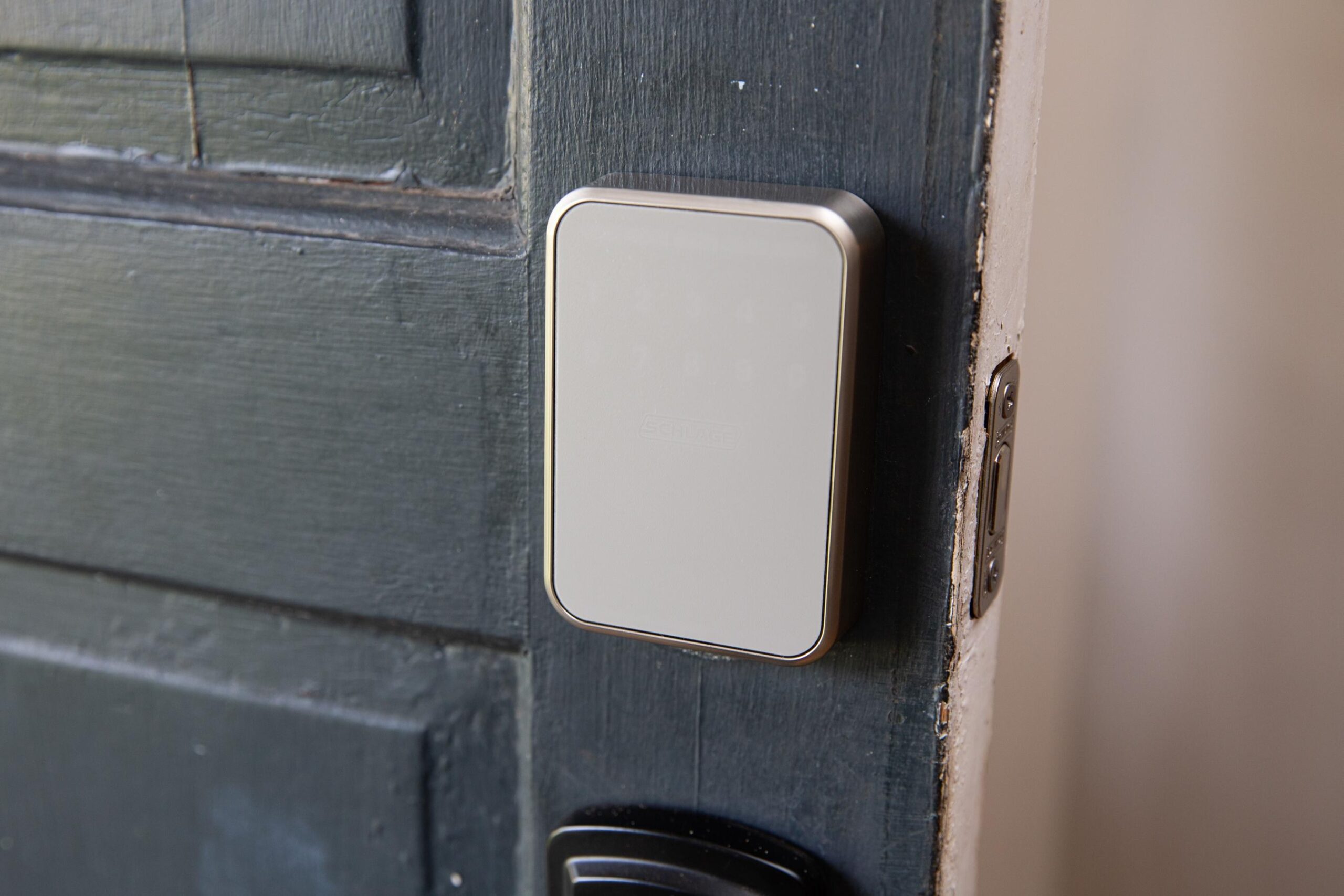
UWB: A Paradigm Shift in Home Access
The Schlage Sense Pro’s utilization of UWB offers a robust alternative to traditional geofencing and Bluetooth methods. Unlike its predecessors, which often left users waiting at locked doors, UWB technology determines not only the proximity of a user to the lock but assesses trajectory and velocity, ensuring that unlocking occurs precisely at the desired moment. This assures an unprecedented level of reliability and user trust in automated systems.
Integration with Smart Home Ecosystems
Supporting Apple Home Key and with upcoming integration via Aliro for Google and Samsung devices, the Sense Pro underscores the trend towards broad interoperability in smart home products. As the first Matter-over-Thread lock by Schlage, it not only consolidates control within a single hub but also aligns with an industry-wide push for unified standards, designed to minimize friction points for users adopting multiple smart devices.
Behavioral Shifts in Home Automation
Smart locks like the Schlage Sense Pro translate into significant changes in human interaction with technology. As a typical household feature transitions to software-mediated control, user dependency on physical keys diminishes. This transition towards digital keys signifies a subtle but profound behavioral adaptation, where the digital interface becomes the primary mode of interaction with the built environment.
A Pattern of Automation and Security
By eliminating the physical keyhole, the Sense Pro not only exemplifies a trend towards minimalistic design but emphasizes security through advanced technology layers. UWB’s direct lock-to-phone handshake, fortified by Scrambled Timestamp Sequence (STS) encryption, establishes a new standard in securing personal spaces, warding off potential relay attacks.
Pattern detected: user workflows shift toward partial automation and digital interface dependency.
Market Implications and Future Directions
While the Sense Pro’s $399 price point may appear steep, it reflects a broader market shift towards valuing seamless integration and reliability in smart home investments. As major stakeholders like Apple, Google, and Samsung collaborate on cross-platform standards such as Aliro, the foundation for a more cohesive digital ecosystem is constructed, promising expanded compatibility and consumer choice.
Ultimately, the Sense Pro is not just a product; it’s a signal of impending transformation in how we perceive and engage with our home environments. With infrastructure increasingly governed by intelligent systems, the manual effort of securing and accessing spaces is delegated to technologies that privilege efficiency and user experience.
The future of home automation lies not just in the hands of technology but in the evolving synergy between human behavior and intelligent systems. Observing market trends and technological advancements in devices like the Schlage Sense Pro offers a glimpse into a world where routines are seamlessly integrated with automated processes.
Monitoring continues.