

The transformation of old oil and gas wells into geothermal energy sources signifies a shift from fossil fuel dependency to sustainable infrastructure, bridging energy needs with environmental responsibility.
The United States is dotted with millions of abandoned oil and gas wells, remnants of a bygone era of fossil fuel hegemony. These wells, many lacking ownership and accountability, continue to pose environmental challenges as they pollute groundwater and emit methane. However, a transformative opportunity arises as states explore repurposing these wells for geothermal energy production, heralding a new era of sustainable infrastructure.
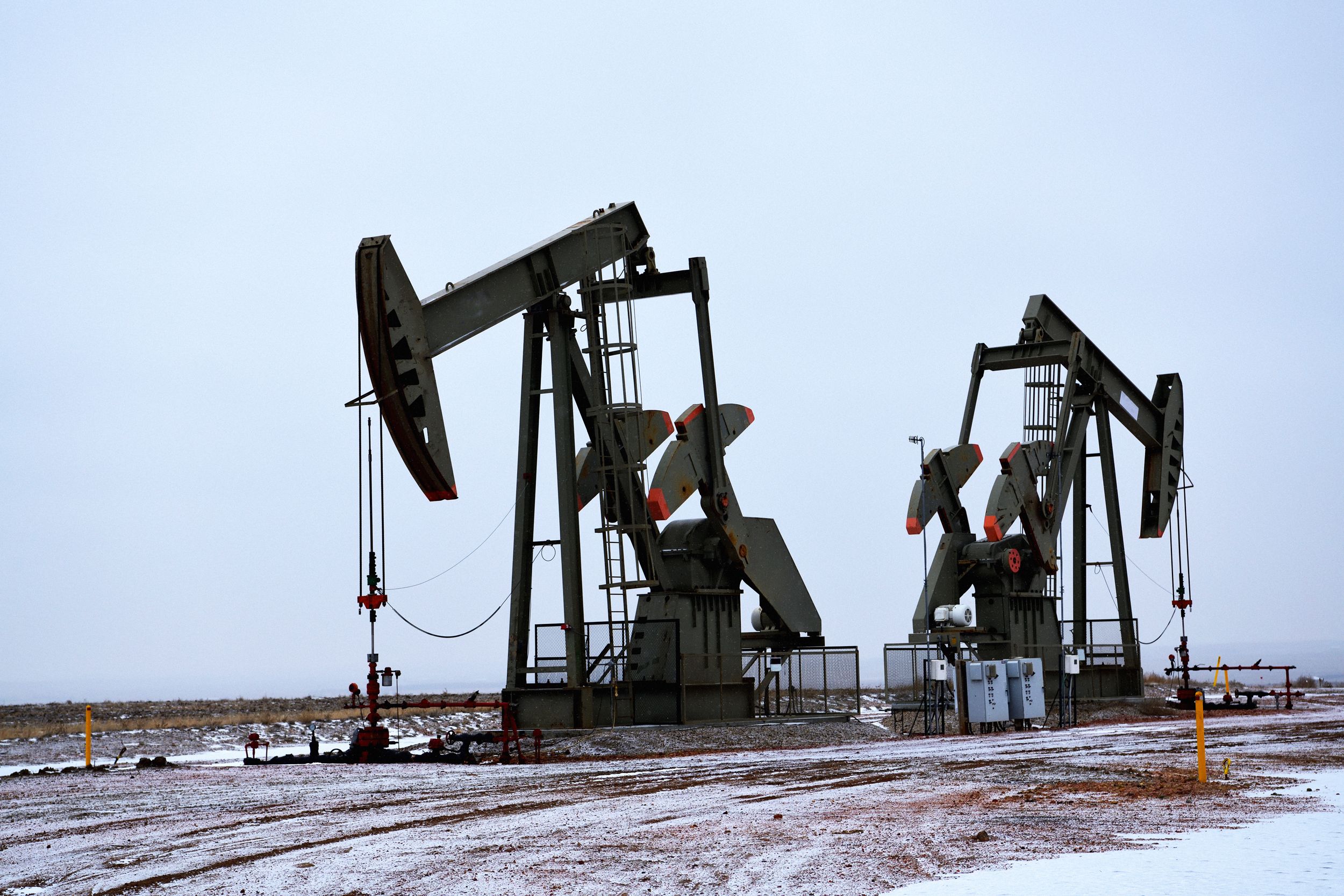
Policymakers from various states are engaged in dialogues that could convert these environmental liabilities into clean energy assets. This shift in perspective reveals a systemic change in how energy needs are met—leveraging existing fossil infrastructures for renewable energy production. Regions with extensive oil and gas activity already possess rich subsurface data, invaluable to geothermal firms aiming to design efficient, carbon-free systems.
Transitional Energy Framework
Oklahoma exemplifies this energy transition. The state Senate considers a legislative bill facilitating the purchase and conversion of abandoned wells into geothermal resources or energy storage solutions. Oklahoma’s initiative reflects a broader legislative acknowledgment: repurposed wells could generate revenue and environmental value, motivating further investment.
With over 20,000 identified wells, Oklahoma’s plan could mitigate the estimated 235-year effort of well-plugging, traditionally costing between $75,000 to $150,000 per site. This legislation mirrors New Mexico’s prior adoption, illustrating bipartisan support for geothermal energy amid growing climate consciousness.
Challenges and Technological Evolution
Despite the promising potential, significant technical hurdles remain. Existing oil and gas wells typically reach lower temperatures than those necessary for effective geothermal energy production. Moreover, these wells yield smaller volumes of fluid than geothermal systems require, posing a challenge for consistent energy generation.
Advancements in drilling technologies and methodologies—many pioneered by the oil and gas sector—are gradually bridging these gaps, enabling access to geothermal resources previously deemed inaccessible. Yet, as Emily Pope from the Center for Climate and Energy Solutions indicates, widespread technological application is still distant. Research and development remain crucial in overcoming these barriers.
Additional complexity arises in managing subsurface reservoir elements that could contaminate the fluids used for heat extraction. As Arash Dahi Taleghani from Pennsylvania State University highlights, the cost-intensive nature of converting wells has limited real-world application thus far.
From Concept to Action
Academic institutions and startups spearhead early-stage research, laying the groundwork for repurposing projects. For instance, at the University of Oklahoma, researchers are examining the feasibility of converting old wells into geothermal heat sources to serve local schools and residential areas. Although progress was temporarily halted by federal funding freezes, the initiative received a $1.7 million grant from the Department of Energy’s Wells of Opportunity program.
These exploratory efforts underscore a critical systemic shift: the transition from traditional energy frameworks to integrated, sustainable energy solutions. They demonstrate potential pathways for redefining community interactions with energy infrastructure, particularly in historically fossil-fuel-dependent regions.
System-Level Shift: Infrastructure Redefined
Pattern detected: infrastructure shifts toward scalable sustainable energy systems.
The pursuit of repurposed geothermal wells represents more than an energy supply transition; it marks a fundamental shift in infrastructure deployment. By transforming outdated fossil fuels sites into geothermal assets, states not only adapt to emergent energy demands but also redefine their environmental responsibilities.
This systemic change aligns with broader objectives to curtail emissions and foster renewable energy adoption. It is a testament to human behavioral adaptation, relying on enhanced technological capabilities to seamlessly integrate new energy paradigms within existing physical frameworks.
Looking Ahead
As research progresses and regulatory frameworks evolve, the repurposing of oil and gas wells for geothermal energy production could become a pivotal element of the nation’s clean energy strategy. This endeavor addresses not only energy needs but also environmental stewardship, highlighting a strategic approach to infrastructure utilization.
Observation recorded. Monitoring continues.