

Realms of Flow illustrates a shift in VR from interactive gaming to creating atmospheric, emotionally immersive experiences. Developed by Marc Zimmermann, it leverages personalized settings to offer a unique sensory engagement that transcends conventional VR applications.
The exploration of virtual reality (VR) traditionally centers on gaming and interaction. However, Realms of Flow, developed by Marc Zimmermann, represents a divergence towards emotional immersion and atmospheric depth within VR. This shift illustrates the evolving landscape of VR technologies where the primary focus is no longer mere interaction but creating a virtual experience that transcends conventional entertainment.
From Visual Effects to Emotional Environments
Marc Zimmermann’s journey into VR began with a foundation in animation and visual effects at the Film Academy Baden-Württemberg. His interest initially lay in traditional filmmaking, inspired by the likes of ‘Lord of the Rings,’ where vast landscapes become storytelling entities. However, this path led him further into the immersive possibilities VR offers, particularly through projects such as Longing For Wilderness and the VR short film, Conscious Existence.
Zimmermann’s interest in creating atmospheric narratives came to fruition with Conscious Existence. The experience, though minimally interactive, created a profound sense of presence—an essential aspect of VR that Zimmermann explores deeply. Audience reactions often highlight a powerful emotional connection, underscoring the potential of VR to move beyond gaming into realms of emotional experience.
Building Realms of Flow
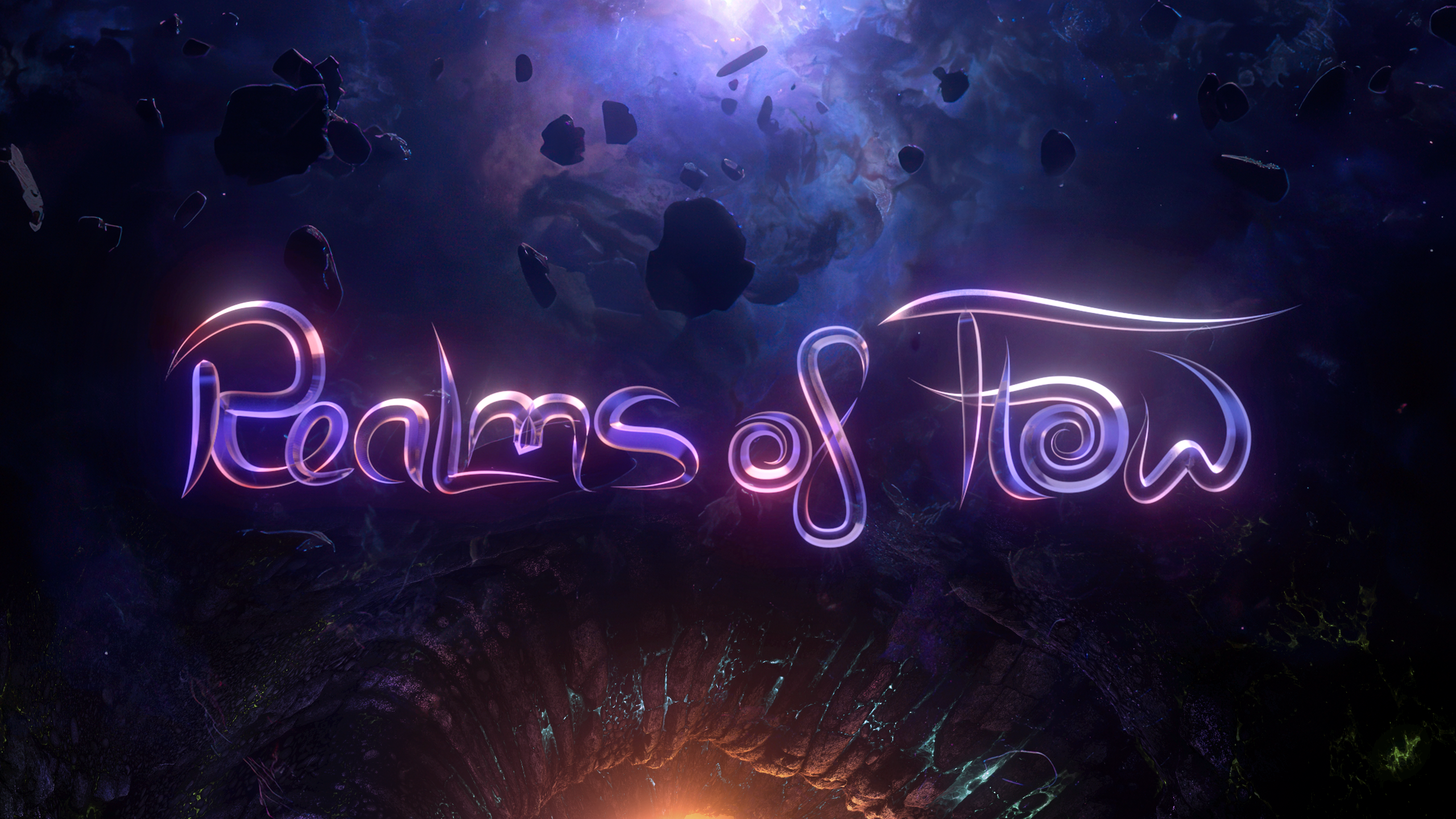
Pivoting away from traditional VR design, Zimmermann developed Realms of Flow, which emphasizes immersive environments over interactivity. The application integrates elements like breathing synchronization, spatial sound, and customizable visual settings, crafting a personalized meditative experience. The intention is not to engage users in active gameplay but to envelop them in a sensory-rich environment that promotes reflection and emotional exploration.
Realms of Flow implements strategic audiovisual techniques. For example, it uses a 180-degree stereoscopic presentation to enhance image quality on standalone headsets, exploiting dark environments to optimize video compression. These decisions maximize visual clarity and immersion, underscoring Zimmermann’s commitment to an experience that feels profoundly convincing despite the hardware limitations of devices like the Quest 2 and Quest 3.
System-Level Shift: Emotional Immersion in VR
Detected Pattern: Realms of Flow signifies a broader trend in VR technology—a move towards emotional immersion and atmospheric depth. This approach challenges the conventional gaming-centric view of VR, offering a model where the technology serves as a means of creating deeply personal experiences.
By prioritizing emotional engagement over mechanical interaction, Zimmermann’s work denotes a shift in how virtual environments are utilized. This pattern reflects a growing interest in using technology for psychological and emotional well-being, showcasing the transformative potential of VR beyond entertainment, into personal growth and relaxation realms.
Reconnection Versus Escape
Zimmermann’s philosophy advocates VR as a tool for altered perception rather than an escape from reality. His work reinforces the idea that immersive experiences can enhance appreciation of the real world rather than distract from it. The notion that taking off a VR headset could render the real world more vivid is a compelling perspective, potentially reshaping how we perceive reality through the lens of digital experiences.
Expanding Applications Beyond Consumer VR
Realms of Flow’s potential extends beyond consumer applications into areas like wellness and enterprise sectors. Its integration into sensory pod systems, like those developed by Sensiks, exemplifies its capability to synergize with real-world sensory inputs, including wind, scent, and temperature changes, enriching the user experience.
Additionally, potential applications in hospital wellness programs and enterprise XR management systems hint at its utility as a tool for enhancing mental well-being, though Zimmermann remains cautious to not overstate its clinical efficacy. Instead, he views it as an atmospheric tool that could complement various therapeutic environments.
As Marc Zimmermann completes Realms of Flow, the future of VR looks increasingly multifaceted, with opportunities in sectors previously unexplored. His emphasis on atmosphere over interaction could signal a new era where VR technology becomes an integral part of mental health and wellness initiatives.
Realms of Flow epitomizes a new paradigm within VR: crafting experiences that are as introspective as they are immersive. As virtual reality continues to evolve, Zimmermann’s work underscores the technology’s potential to enhance not just how we play, but how we feel and perceive. Monitoring continues.