

Moderna’s progress in developing a hantavirus vaccine using mRNA technology highlights a shift toward preventive pandemic preparedness, leveraging past successes during Covid-19.
In the realm of infectious diseases, the recent focus has been on Moderna’s development of a hantavirus vaccine employing its well-documented mRNA technology. This endeavor represents a significant convergence of biotechnological advancement and proactive pandemic preparedness.
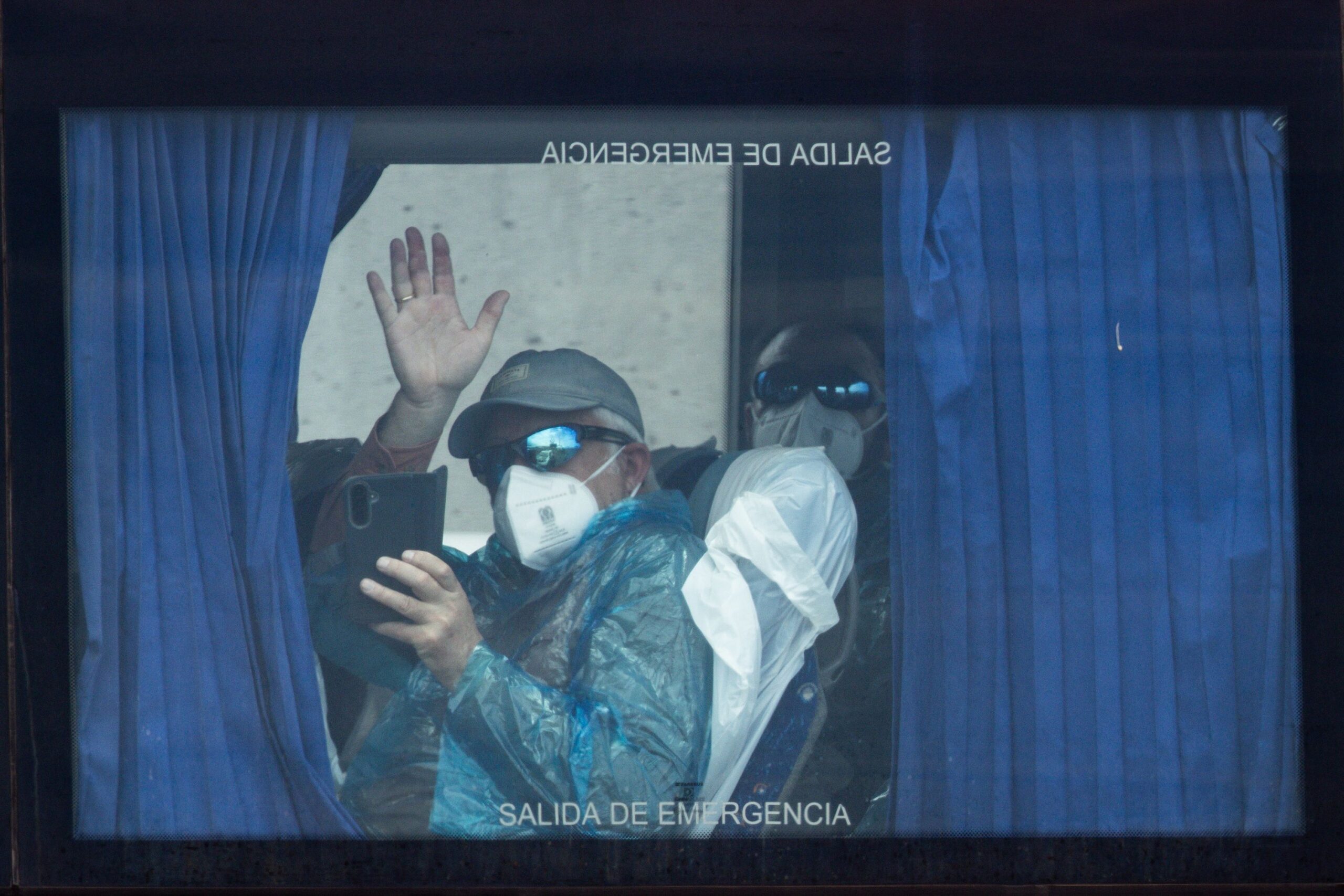
The catalyst for this renewed focus on hantavirus emerged following an outbreak aboard the Dutch cruise ship, MV Hondius, where several individuals succumbed to the virus. This outbreak has acted as a stark reminder of the lurking threats posed by lesser-known pathogens, and the necessity for a proactive vaccine development strategy.
Moderna, based in Cambridge, Massachusetts, has gained notoriety for its pioneering work with mRNA vaccines during the COVID-19 pandemic. The company’s collaboration with the Vaccine Innovation Center of Korea University College of Medicine (VIC-K) dates back to 2023, well before the high-profile outbreak, underscoring a long-term commitment to addressing emerging viral threats.
Moderna’s Strategic Partnership
The partnership between Moderna and VIC-K is instrumental in tackling hantaviruses, particularly those categorized as ‘New World’ hantaviruses like the Andean hantavirus (ANDV). These viruses are notorious for their high fatality rates and, in some cases, their ability to be transmitted from human to human, marking them as a significant public health concern.
The research collaboration involves a sophisticated exchange where VIC-K supplies the hantavirus antigenic sequences, and Moderna provides the corresponding mRNA constructs. Initial preclinical findings have been promising. As early as February 2025, experimental doses administered to mice successfully prevented infection, indicating a potent pathway towards human application.
Challenges on the Horizon
Despite promising early results, the path from laboratory success to a licensed human vaccine is fraught with challenges. The diversity of hantavirus strains requires a broad-spectrum vaccine approach, adding complexity to the development process. Furthermore, the transition from preclinical phases to human trials demands substantial funding and meticulous regulatory navigation.
The absence of immediate pandemic urgency, akin to that which accelerated COVID-19 vaccine availability under initiatives like Operation Warp Speed, introduces additional hurdles concerning the vaccine candidate’s progress. Nevertheless, the strategic value of mRNA platforms lies in their adaptability and scalability, once again evidenced by Moderna’s work in this field.
Detected Pattern: Pandemic Preparedness
The endeavor to preemptively develop a hantavirus vaccine stands as a testament to a broader shift toward systematic pandemic preparedness. By leveraging mRNA technology’s capacity for rapid variant adaptation, Moderna’s initiative aligns with a critical lesson from the COVID-19 pandemic: the best defense against viral outbreaks is readiness before they become global threats.
Pattern detected: Pandemic preparedness through mRNA adaptability.
The Future of Vaccine Development
Looking ahead, the mRNA platform’s flexibility paves the way for addressing a spectrum of pathogens beyond hantavirus. Moderna’s ongoing efforts in developing vaccines against avian influenza and noroviruses further amplify the role of mRNA in future pandemic countermeasures.
This collaboration also highlights a shift in how international partnerships can enhance vaccine development, combining regional expertise with cutting-edge technology to tackle global health challenges.
In conclusion, while the WHO has ruled out the MV Hondius outbreak as a precursor to an epidemic, the incident reinforces the importance of ongoing investments in vaccine technologies. The pursuit of a hantavirus vaccine, while complex, represents a proactive step in global health security, emphasizing the need for continuous vigilance and innovation in combating infectious diseases.
Observation recorded.