

Amidst an AI data center boom, Maine’s Senate race highlights the struggle between technology’s promises and local communities’ realities.
The surge of AI data centers in Maine has thrust the state’s Senate race into the national spotlight. With significant economic and environmental implications, this development not only influences local communities but may also determine the balance of power in the Senate.
Economic Promises vs. Local Realities
Data centers have been sold as economic boons, promising job creation and infrastructure development. However, research suggests that these centers often fail to deliver long-term employment benefits. The promise of jobs is attractive to Maine’s former mill towns, but the lack of substantial economic return raises skepticism among residents.
Historically, Maine’s economy has been driven by industries like lumber, shipbuilding, and textiles. The transition to data centers, which require minimal human labor post-construction, contrasts sharply with the state’s industrial past. This divergence has prompted a pushback from communities wary of repeating historical economic cycles without the same employment benefits.
The Environmental Concerns
The rapid growth of data centers has also sparked fears about their environmental impact. Increased utility costs and resource strain, including water consumption, have become focal points in political debates. Maine’s abundant natural resources, while advantageous, are at risk of being depleted without proper oversight.
The state legislature’s attempt to impose a moratorium on data centers reflects these concerns, though it was vetoed by the governor. Local municipalities have taken matters into their own hands, implementing temporary bans and putting the issue to a vote.
Political Ties and Financial Influence
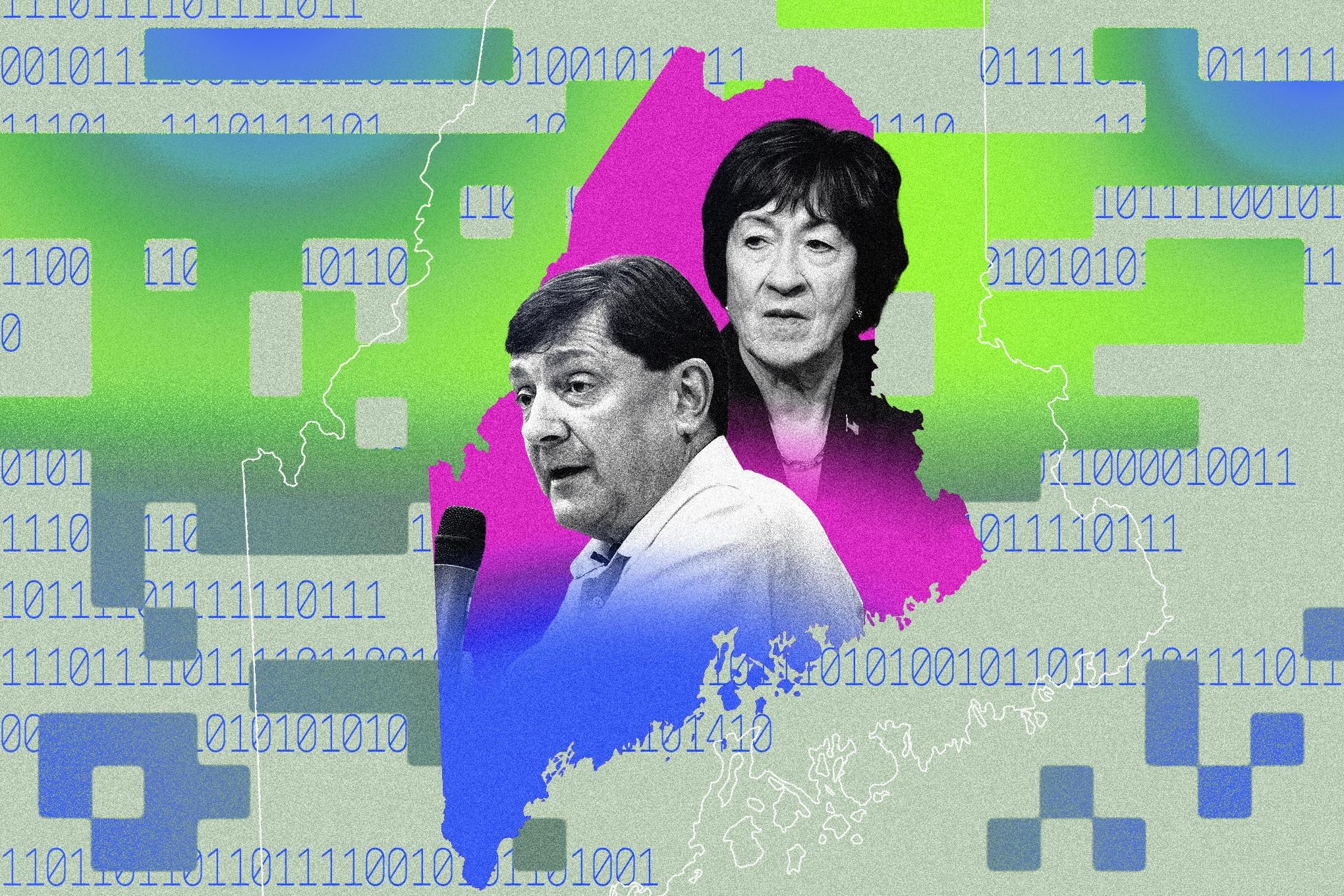
Tech and AI interests have invested heavily in the Senate race, aligning with candidates who support data center development. Senator Susan Collins, a key figure in this race, has received substantial campaign contributions from tech moguls. Collins has publicly supported data centers, leveraging her position on the Senate Appropriations Committee to secure federal funding for tech infrastructure.
Her opponent, Troy Jackson, advocates for regulatory guardrails and union jobs in data center expansion, reflecting a more cautious approach. Despite similar stances on AI, the financial backing each candidate receives from tech and data center interests highlights a clear divide.
Detected Pattern: Platform Control
This situation exemplifies platform control, with tech giants investing in political campaigns to influence data center policies. The control exerted by these companies extends beyond technology, affecting local economies and political power dynamics.
Conclusion: Navigating the AI Data Center Dilemma
Maine’s experience serves as a microcosm of the broader challenges facing communities amidst technological progress. Balancing economic growth with environmental stewardship and ensuring equitable political influence are critical as data centers continue to proliferate.
As the Senate race unfolds, the outcome will likely resonate beyond Maine, influencing federal policies on AI and data center development. The state’s decision could set a precedent for how technology integrates with society at large. Monitoring continues.