

Lululemon’s investment in Syntetica signals a shift towards a circular economy, leveraging technology to transform textile recycling and reduce reliance on fossil fuels.
The recent $30 million Series A funding for Syntetica, backed by Lululemon, marks a pivotal moment in the textile industry’s transition towards a circular economy. As an activewear giant, Lululemon’s support underscores the burgeoning importance of sustainable practices within the fashion sector, particularly concerning the recycling of nylon—a material historically valued for its resilience yet challenging to recycle.
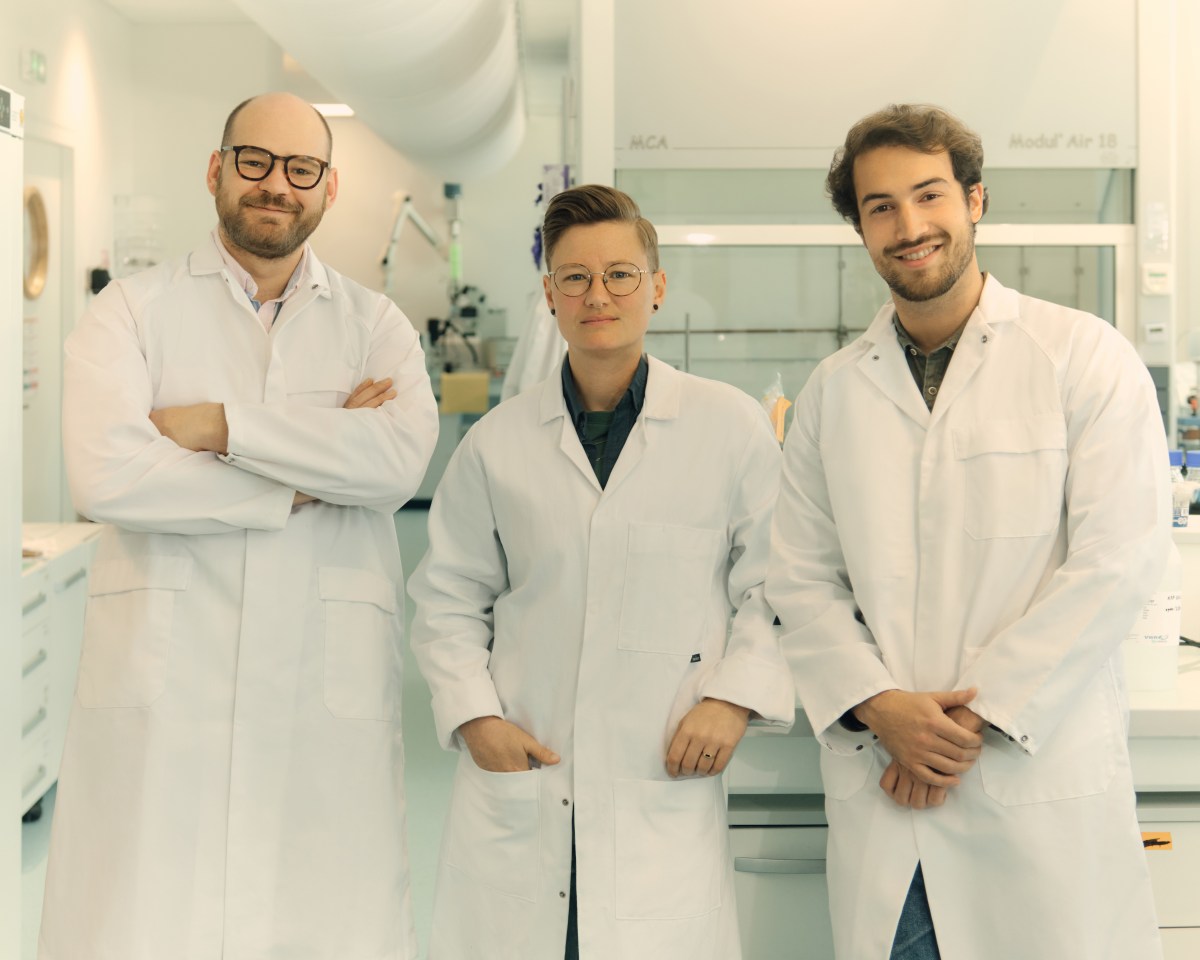
Syntetica’s innovative approach to recycling both Nylon 6 and Nylon 6,6 is crucial for tackling the textile waste problem, a significant contributor to global landfill. With fashion brands facing increasing pressure from consumers and regulatory bodies to adopt sustainable practices, this investment not only positions Lululemon as a leader in eco-friendly innovation but also highlights the shifting landscape of textile manufacturing towards scalable, cost-effective solutions.
The Technology Behind Syntetica
Unlike other companies that might focus on producing textiles or developing new materials, Syntetica’s primary product is recycled nylon pellets. These pellets are then supplied to manufacturers, effectively closing the loop in the fashion supply chain. This model allows Syntetica to concentrate on its core competency of recycling, leveraging partnerships with brands like Lululemon, Victoria’s Secret, and Etam.
This emphasis on partnerships is a strategic move. By engaging with the entire supply chain, Syntetica ensures buy-in from all stakeholders, from retailers to manufacturers. Such collaboration is pivotal, as the company aims to scale globally, building facilities near waste sources and production sites to minimize logistical challenges and environmental impact.
Industrial Partnerships and Market Dynamics
The backing from major players like MAS Holdings further validates the critical nature of Syntetica’s mission. It is noteworthy for a supply chain actor to invest in a still-scaling startup, highlighting the urgency of the problem and the industry’s willingness to find collaborative solutions. The geopolitical volatility affecting nylon prices has pushed many traditionally petrol-reliant brands towards more sustainable options, aligning with Syntetica’s cost-competitive approach to sustainability.
Pattern detected: Industry movement towards sustainable, cost-effective recycling technologies.
Regulatory and Financial Support
France’s strategic support through the Ecotechnologies 2 fund and the European Innovation Council reflects broader governmental initiatives aimed at reducing fossil fuel reliance. With these subsidies, startups like Syntetica not only gain financial backing but also align with national goals of enhancing industrial capabilities.
This support is not merely fiscal. It also includes an acceleration program designed to bolster startups, fostering innovation that could be transformative on a global scale. By integrating these startups into the broader industrial fabric, European entities are strategically positioning themselves at the forefront of sustainable industrial practices.
Implications for the Fashion Industry
The involvement of global brands in Syntetica’s venture signals a significant shift in the industry’s approach to resource management. The integration of recycled materials into mainstream fashion is no longer a niche endeavor but a necessary evolution prompted by environmental, economic, and social factors.
As Syntetica continues to refine its processes and expand its reach, the fashion industry may witness a more widespread adoption of similar technologies. This shift not only promises to reduce the ecological impact but also sets a precedent for how industries can collaborate towards sustainability goals.
Future Trajectories
Syntetica’s future plans to establish additional facilities globally align with its mission to integrate closer to waste sources. Such expansions are likely to enhance the efficiency of its recycling process and cut down on emissions related to transporting raw materials. Furthermore, Syntetica’s model could serve as a blueprint for other industries grappling with sustainability challenges.
In an era where sustainability is becoming a non-negotiable criterion for industry leaders, Syntetica’s model represents not just a business investment but a systemic shift towards a more circular economic framework. The positive reception from both public and private stakeholders accentuates the potential for growth and innovation in this domain.
As the industry continues to evolve, the collaboration between startups and established brands, facilitated by technology and innovation, underscores a critical shift in how resources are utilized and recycled. Syntetica’s strategy and its backing by influential entities like Lululemon exemplify the important role of strategic partnerships in driving systemic change. With these developments, the textile industry edges closer to a sustainable, circular economy. Monitoring continues.