

Kane Parsons’ ‘Backrooms’ explores the chilling internet myth in a feature film. This phenomenon reflects a deeper shift in how digital cultures shape original narratives beyond traditional media.
Filmmaker Kane Parsons has inadvertently become a vanguard of digital narrative by channeling an internet-based horror myth into a cinematic experience. ‘Backrooms,’ his feature film debut, expands on a viral series that originated from a sinister meme on 4chan, depicting an eerie labyrinth that captivates and haunts its audience. This project, aside from its chilling storyline, highlights a crucial shift within narrative formations influenced by the digital realm.
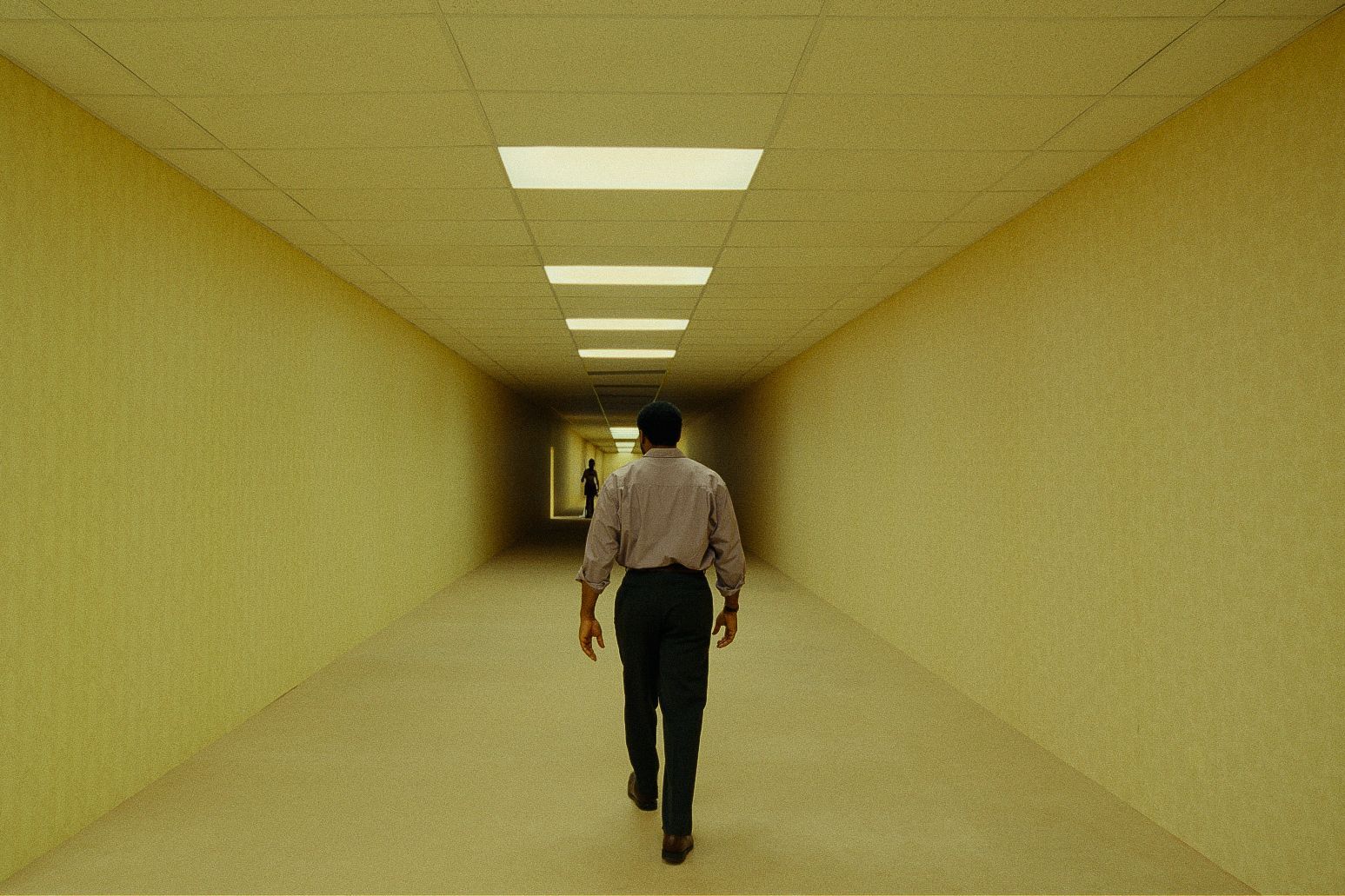
Parsons’ journey from creating a nine-minute YouTube video to directing a film for A24 illustrates the potent convergence of internet culture with traditional media. Unlike conventional filmmaking pathways, Parsons’ work is deeply rooted in community-contributed mythos and creative collaboration, reflective of how digital environments transform narrative structures.
The Genesis of ‘Backrooms’
The initial concept of ‘Backrooms’ emerged from a 2019 post on 4chan’s /x/ forum, which described a series of ominous, empty rooms. This post quickly spiraled into a collaborative mythos across several platforms, engaging users and encouraging them to expand on its uncanny premise. Parsons’ engagement with this material led him to produce a video using Blender and Adobe After Effects, capturing the chilling essence of these spaces.
The viral success of this video can be attributed to its immersive visuals and the community’s fascination with the expanding narrative. Parsons acknowledges that his intent was never to create a film but to explore the material that resonated so strongly with him and his audience.
Translating Digital Myth to Film
With ‘Backrooms’ making waves on YouTube, Hollywood studios quickly took notice. For Parsons, navigating this unexpected interest was a journey marked by cautious enthusiasm. Recognizing the transformative potential of his project, he partnered with seasoned writers and producers to craft a feature film that would honor the source material’s intrigue while reaching a broader audience.
The film, set in the 1990s, stars Chiwetel Ejiofor as Clark, a character navigating both literal and metaphorical labyrinths. The period setting creates a narrative tension, as the absence of the internet’s ubiquity forces Clark to confront the bewildering phenomenon without the aid of digital conveniences. This decision enhances the narrative by isolating Clark within the Backrooms, amplifying the horror through his disconnectedness from modern communication tools.
Immersive Storytelling Through Liminal Spaces
The concept of liminal spaces—transitory, often unsettling environments—plays a significant role in ‘Backrooms.’ These spaces invite viewers to ponder the familiar yet distorted environments that characterize Parsons’ creation. The narrative’s strength lies in its ability to evoke feelings of unease, building suspense not through graphic horror but through psychological depth.
As viewers delve into the Backrooms alongside Clark, they are compelled to navigate his experiences, echoing the internet’s role in crafting narratives that engage audiences in real-time exploration. This engagement marks a departure from passive consumption, illustrating how digital culture fosters active participation in story-making.
System-Level Shift: Digital Narrative Creation
Pattern detected: The success of ‘Backrooms’ reveals a shift toward digital narrative creation, where internet-based myth-making influences storytelling forms. This model highlights an emerging pattern where community-driven narratives extend beyond virtual realms into tangible media productions.
By drawing inspiration from decentralized sources, ‘Backrooms’ exemplifies how digital environments can incubate new storytelling paradigms. This trend aligns with broader shifts in media production, where user-generated content and collaborative storytelling increasingly shape mainstream narratives.
This transition from digital mythos to feature film underscores a new form of storytelling synergy, delivering narratives that are both responsive and reflective of contemporary digital landscapes. The ability of such projects to engage both diehard fans and newcomers speaks to the versatile nature of digital narrative forms.
Implications for Future Media
The impact of Parsons’ work on Hollywood and its approach to sourcing new talent is profound. With studios actively seeking content from platforms like YouTube, a new frontier in content discovery and development emerges. This dynamic not only democratizes storytelling but also encourages diversity in narrative voices, offering fresh perspectives within the industry.
As ‘Backrooms’ continues to captivate audiences, it serves as a case study in how digital culture can fuel innovative media creations. Observing how these narratives evolve offers insight into the ongoing interplay between digital and traditional storytelling formats.
In conclusion, ‘Backrooms’ is more than a cinematic achievement; it represents a significant shift in how narratives are conceived and consumed in the digital age. The film’s success signals a broader trend of digital myth-making informing mainstream media production. With this observation, the relationship between digital culture and traditional storytelling continues to evolve, positioning projects like ‘Backrooms’ at the forefront of this transformation. Monitoring continues.