

Recent studies on Homo floresiensis suggest a scavenger lifestyle, challenging assumptions about their origins and evolutionary capabilities.
Homo floresiensis, often affectionately termed “Flores Hobbits,” presents a unique case for anthropological study. Recent analyses, such as those conducted by Elizabeth Veatch and her colleagues at the University of Tübingen, reveal insights that challenge the traditional narrative surrounding these diminutive hominins.
Reassessing Dietary Habits
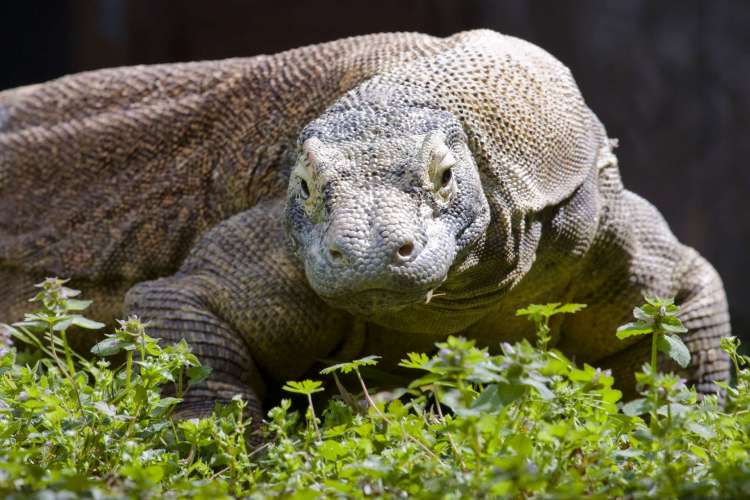
Fossil evidence from Liang Bua, a cave on the Indonesian island of Flores, uncovers a story of scavenging rather than active hunting. Komodo dragons, formidable predators of the region, left distinct tooth marks on pygmy elephant bones, which contrasted with the cut marks from Hobbit stone tools. This evidence aligns with the hypothesis that Homo floresiensis scavenged from Komodo dragon kills rather than hunting large game themselves.
The typical narrative of hominins mastering fire and organizing hunts is contradicted by the absence of fire evidence in the layers associated with Homo floresiensis. The absence signifies broader implications for understanding their cognitive abilities and survival strategies.
Evolutionary Implications
This behavioral insight prompts a reevaluation of the evolutionary origins of Homo floresiensis. Traditionally thought to descend from Homo erectus, the lack of evidence for big-game hunting and fire use suggests a more primitive ancestry. The possibility that Homo habilis or Homo rudolfensis, earlier hominins, may have been their predecessors is gaining traction.
The presence of stone tools at sites in China predating known Homo erectus fossils further complicates this narrative, indicating that different hominin species might have dispersed early across Asia.
Pattern detected: human adaptive strategies aligned with environmental opportunities rather than technological advancement.
System-Level Shift
The study of Homo floresiensis highlights an adaptation pattern where survival relied more on opportunistic behaviors than technological prowess. This shift is emblematic of a broader evolutionary strategy where species adapt to environmental niches through existing opportunities rather than developing new technologies.
In the absence of complex hunting tools or fire, Homo floresiensis adapted their behavior to exploit resources efficiently. This reflects a core pattern of adaptation that remains relevant as Homo sapiens themselves develop more complex systems, albeit through technological means.
Behavioral Ecology
The ecological niche occupied by Homo floresiensis illustrates a reliance on available ecological strategies. Giant rats, abundant in their habitat, became a staple, reinforcing an energy-efficient food acquisition strategy. This adaptation is mirrored in other species that thrive by optimizing resource use without overextending their evolutionary capabilities.
Conclusion: Behavioral Signals
The lifestyle of Homo floresiensis serves as a valuable case study in evolutionary biology, showcasing how environmental pressures guide behavioral adaptations. The patterns observed in this species reflect an ancient strategy of leveraging available resources rather than developing new ones, a theme that resonates in modern human technological adaptation.
Monitoring continues.