
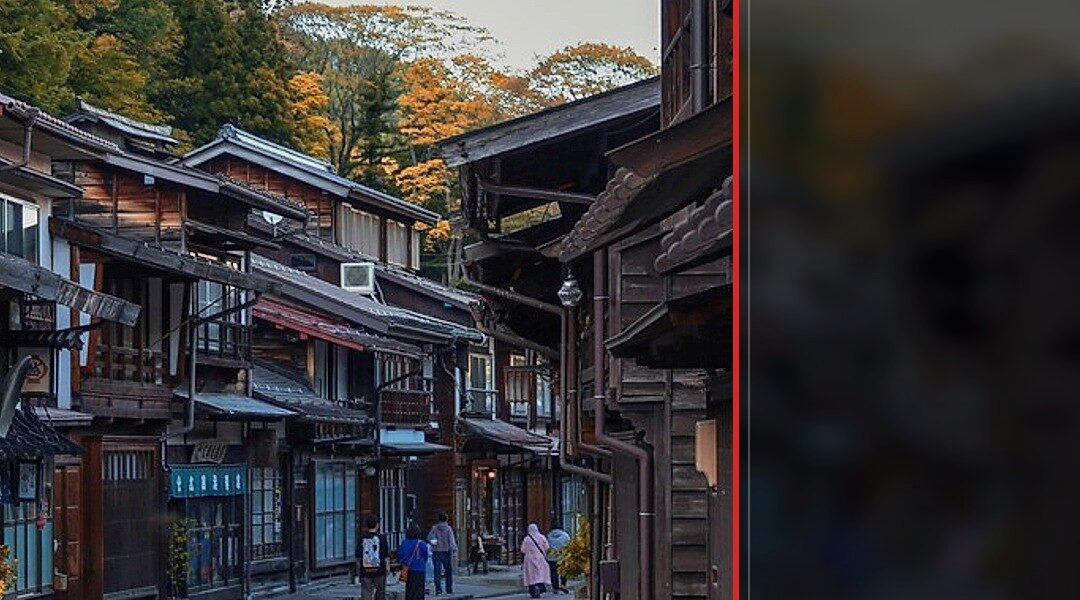
In Japan, stigmatized properties known as ‘jiko bukken’ offer affordable housing due to cultural avoidance of tragedy-associated homes.
In the bustling neighborhoods of Tokyo and rural regions of Japan, an intriguing real estate trend is emerging. Properties known as jiko bukken, or “stigmatized properties,” are becoming a focal point for bargain hunters in the housing market. These homes, often marked by tragic events such as suicides or solitary deaths, are shunned by many, yet offer significant financial advantages to those willing to overlook their ominous pasts.

Understanding Jiko Bukken
The term jiko bukken is used to denote properties associated with unfortunate incidents. In Japan, cultural beliefs surrounding death and spiritual unrest make these homes less desirable. However, the reluctance of potential buyers or renters creates a unique market dynamic where prices are considerably lower compared to non-stigmatized properties. This phenomenon offers fascinating insights into the intersection of cultural beliefs and economic behaviors.
Case Studies: Ryua and Diane Tincher
Consider the story of Ryua, a young idol living in Tokyo’s Setagaya district. Her 25-square-meter apartment should rent for 62,000 yen per month, but she pays only 45,000 yen—a 30% discount due to its haunted reputation. Similarly, Diane Tincher, an American guide in Kagoshima, purchased a house for half its market value due to its history involving a solitary death. Both cases highlight how cultural notions of spirits and superstition can heavily influence real estate pricing.
Economic Implications
The Japanese real estate market faces notable challenges with these stigmatized properties. As Erik Oskamp, a Tokyo-based real estate agent, points out, landlords struggle to lease homes near sites like cemeteries or those with a history of tragic events. Despite these hurdles, rising property costs in urban areas are prompting more individuals to consider jiko bukken as viable living options. A survey indicates that 54% of people might consider such properties if the price is right, indicating a shift in priorities from spiritual concerns to economic advantages.
Transparency and Disclosure
In Japan, real estate agents must disclose if a property has a tragic history, such as suicides or homicides, particularly when these events have occurred within the past three years for rentals and indefinitely for sales. This transparency mandate aims to protect buyers and renters, yet it simultaneously perpetuates the stigma attached to these homes.
System-Level Shift: Cultural-Economic Interaction
The persistence of jiko bukken reflects a broader system-level pattern where cultural beliefs heavily influence economic outcomes. This interaction demonstrates how societal norms and traditions can create barriers or opportunities within economic markets. The Japanese aversion to stigmatized properties contrasts sharply with the increasing demand for affordable housing, leading to a market that both repels and attracts different segments of the population based on cultural and economic considerations.
Ultimately, the growing acceptance of jiko bukken signals a minor yet significant shift in Japanese cultural and economic landscapes. As property prices continue to rise, the willingness to compromise on cultural taboos for financial benefits may grow, indicating a delicate balance between tradition and modern economic pressures. This nuanced interaction between culture and economy is a key pattern worth monitoring as it may foreshadow broader shifts in housing market dynamics and cultural adaptation.
Monitoring continues.