

Gracia revolutionizes streaming with volumetric captures, leveraging WebXR for seamless integration in mixed reality environments.
In the rapidly evolving realm of virtual reality, Gracia has introduced a groundbreaking advancement by enabling the streaming of fully volumetric captures. This technology, which does not require app downloads, is now compatible with devices like the Quest 3 and soon the Apple Vision Pro.
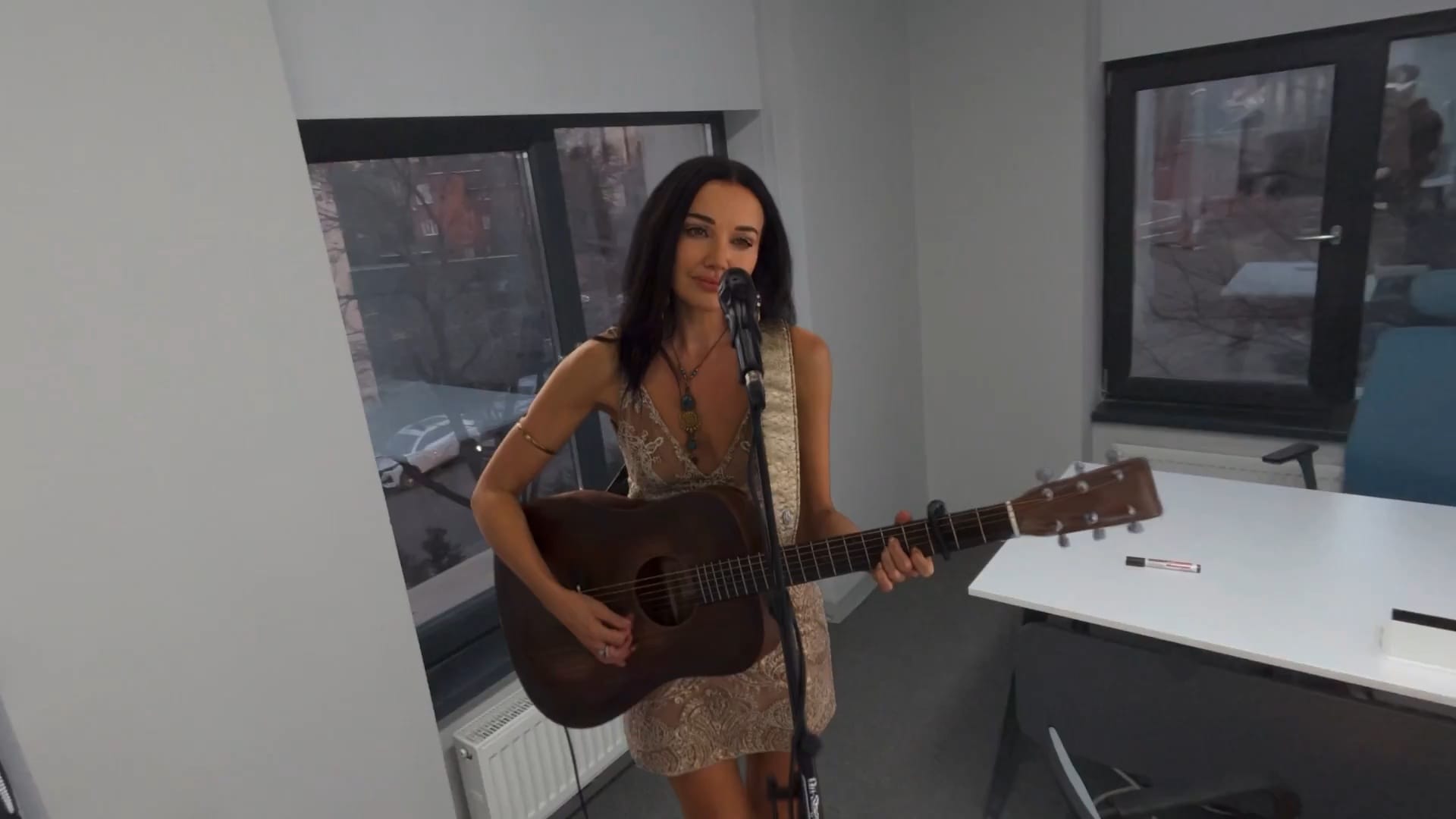
Initially deployed in 2024 as an app for Quest, Gracia offered experiences that surpassed traditional stereoscopic 3D video. The platform distinguished itself with its truly volumetric video, allowing users to navigate physical space both virtually and within their own environments using mixed reality.
Technical Innovation in Volumetric Streaming
At the heart of Gracia’s innovation is the use of Gaussian splatting technology, which involves placing millions of semitransparent colored blobs in 3D space to create realistic renderings from any viewpoint. The dynamic version of this, known as 4DGS, adds the element of time, allowing for the depiction of movement.
By late 2024, Gracia had achieved standalone functionality on devices like the Quest 3 and Pico 4. However, the challenge was the necessity of downloading large files, which significantly impeded the user experience. Streaming such data then required high-speed, reliable internet connections, typically unavailable on most headsets.
Breaking the Download Barrier
In response, Gracia developed a technique akin to video codecs, utilizing keyframes and motion deltas to avoid full scene downloads. This advancement significantly compressed data requirements, making streaming achievable without exhausting bandwidth constraints.
The integration of WebXR technology allows for these experiences to be rendered directly in browser environments, further removing barriers linked to dedicated app installations. This strategic use of WebGPU enables near-native app performance, critical in maintaining seamless user interaction.
System-Level Implications
The ability to stream volumetric captures signifies more than just a technical achievement. It represents a paradigm shift in content consumption and delivery, moving from fixed downloads to fluid, on-demand experiences. This shift enhances accessibility and immediacy in content interaction, a crucial factor in expanding VR and mixed reality environments.
Pattern detected: automation of content delivery and interaction in volumetric media.
Broader Applications and Future Prospects
With no theoretical cap on file size, Gracia opens the door to new use cases, such as entire concerts or events being streamed in real-time with volumetric fidelity. The implications for sectors beyond entertainment, including education and professional training, are significant. These dynamic scenes could be employed to create immersive learning environments or realistic simulations.
As Gracia continues to refine its platform with an upcoming app for Apple Vision Pro, the capability for volumetric streaming in diverse contexts becomes increasingly viable. This progression not only enhances current digital experiences but also defines the trajectory for future developments in virtual reality and mixed reality domains.
The integration of Gracia’s streaming technology within mixed reality frameworks marks a critical advancement in digital content conveyance. This innovation, grounded in advanced compression and WebXR, exemplifies the trend toward automation and optimization of media delivery systems in immersive environments. Monitoring continues.