

The arrival of flesh-eating screwworms in the US marks a significant shift in pest control dynamics, threatening livestock and prompting automated intervention strategies.
In a marked shift of ecological and agricultural balance, the United States has confirmed the presence of flesh-eating screwworms in South Texas. These parasitic flies, known for their devastating impact on livestock, pose a systemic threat that extends beyond agriculture, affecting biosecurity measures and the automation of pest control processes.
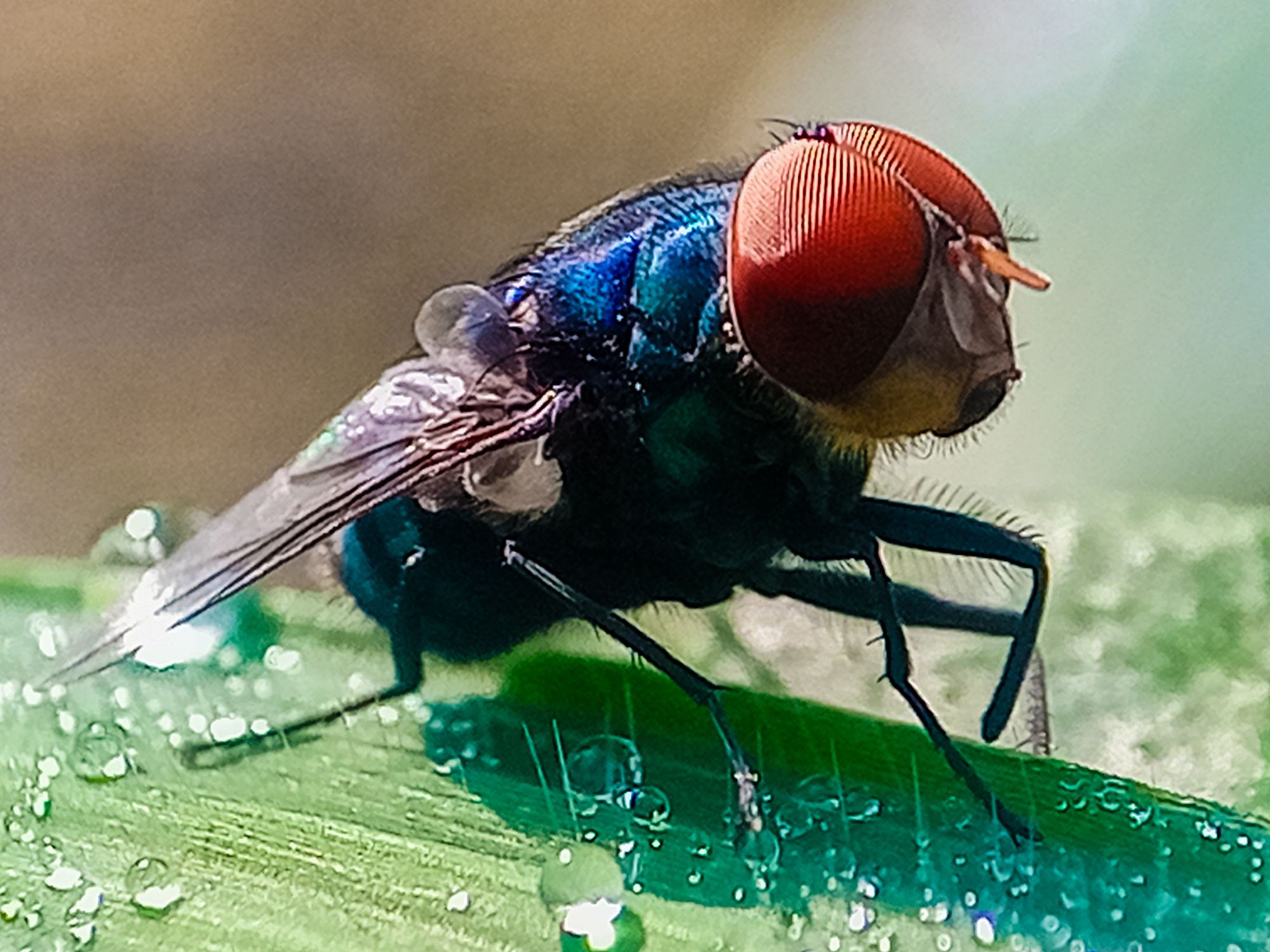
The United States Department of Agriculture (USDA) announced that a New World screwworm infection was identified in a three-week-old calf in Zavala County, Texas. This confirmation follows several years of the pest gradually moving northward through Central America, finally breaching the US-Mexico border.
Historical Context and Economic Impact
The screwworm, once endemic in the southern United States, was eradicated through the Sterile Insect Technique (SIT) in the 1960s. This method involves releasing sterile male flies to disrupt the breeding cycle. The success of this program has saved the US livestock industry an estimated $900 million annually. However, recent events signal a critical need to revisit these strategies as the pest approaches from Mexico.
The economic ramifications are profound, particularly for the cattle industry, which faces potential losses in livestock quality and market value. The screwworm’s method—infesting wounds of warm-blooded creatures—becomes a breeding ground for larvae, leading to severe tissue damage and often death if untreated.
Detection and Disputed Reports
The USDA’s confirmation comes amid heightened tensions and disputed claims regarding the proximity of screwworm cases to the US border. Reports earlier this week, including a contentious statement by state representative Don McLaughlin, suggested that screwworm cases had been discovered dangerously close to Texas. While these claims were initially refuted by USDA officials, subsequent testing in Zavala County confirmed the presence of the pest.
In response, the USDA announced the establishment of a unified Incident Command Team, tasked with implementing movement restrictions and enhanced surveillance across a 20-kilometer quarantine zone around the detection site. This swift action underscores the urgency and severity of the threat posed by this invasive species.
Automation in Pest Control
The resurgence of screwworms demands an escalation in biologically automated control measures. The USDA is constructing a new $750 million sterile fly production facility in South Texas, intended to disperse 100 million sterile flies weekly. This initiative reflects a shift from manual pest control methods to a more automated and large-scale biological intervention strategy.
Automated methods such as SIT exemplify the integration of biological sciences and technology, emphasizing how systematized human intervention can curb biological threats. The approach not only seeks to mitigate immediate danger but also aims to establish a long-term barrier against re-infestation.
Affected Systems and Future Implications
The infiltration of screwworms has significant implications for several systems. The agricultural sector must adapt to the threat, potentially redesigning biosecurity protocols. The SIT program’s expansion also highlights the necessity for cross-border collaborations, as the defense against such pests transcends national lines.
This event signals a broader trend in agricultural practices, where pest management increasingly relies on automated biological strategies. Continued observation and adaptation are critical, as the reintroduction of screwworms may prompt new regulatory policies and advancements in pest control technologies.
System-Level Shift: Observed Patterns
The confirmed presence of screwworms in the US represents a larger pattern of biological threats requiring automated intervention. Pest control has evolved from purely chemical methods to more sustainable and systematic approaches. This shift underscores the potential for technology-enhanced biological control to reinforce agricultural resilience.
Pattern detected: biological control automation becomes central to pest management strategies.
The USDA’s response illustrates a proactive approach to a complex challenge, leveraging technology to sustain agricultural productivity. As monitoring continues, the integration of biological and technological measures will remain a crucial aspect of maintaining ecological balance.
Monitoring continues.