

Deep Fission’s IPO reveals a shift in nuclear power’s integration with AI data centers, highlighting financial and technical challenges in the sector.
Nuclear startup Deep Fission has announced its intent to go public for a second time, aiming to raise $157 million on the Nasdaq. This move follows an earlier attempt through a reverse merger, which although completed, did not result in actual trading of its stock. The company’s goal is to fund the development of subterranean reactors designed to power AI data centers—a concept that intertwines nuclear power with digital infrastructure.
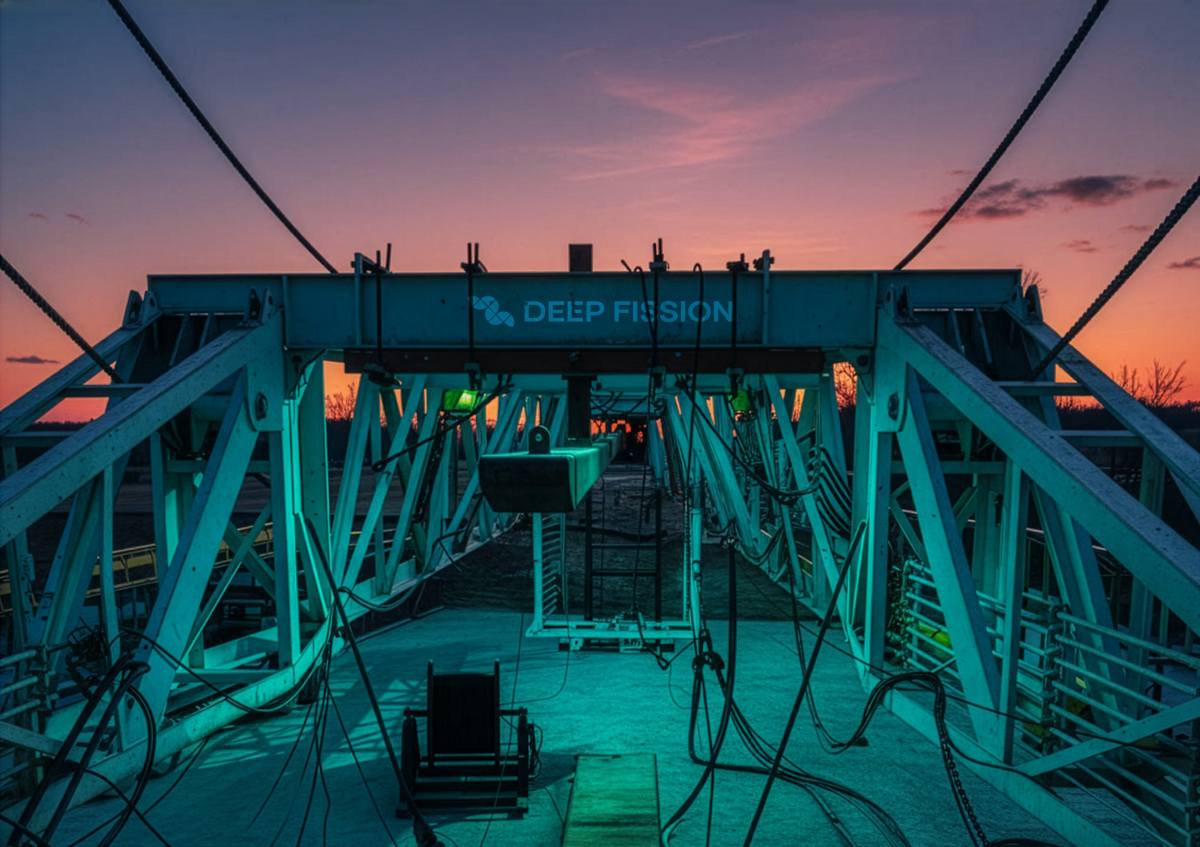
Deep Fission’s recent filing with the SEC provides a financial snapshot that reveals increased fiscal challenges. The company reported a growing deficit, jumping from $56.2 million to $88.1 million in a matter of months, alongside a significant decline in cash reserves. Despite these setbacks, the potential of integrating nuclear power into AI operations remains an enticing prospect, driving investor interest once again.
Technological Ambitions and Financial Hurdles
The central premise behind Deep Fission’s vision is the establishment of small, subterranean nuclear reactors to fuel AI data centers. This represents a shift in how nuclear power could support digital infrastructure by providing a stable and potentially sustainable energy source. However, the journey is fraught with challenges. The company’s initial plans to achieve criticality by mid-2026 have been shelved without a new timeline, reflecting delays in both technological development and regulatory approval.
Currently, Deep Fission is in the early stages of drilling test wells, with plans for three total, each collecting data from depths up to 6,000 feet. The drilling process itself is proving complex, requiring boreholes significantly larger than those typical in the oil and gas industry. The inability to finalize the reactor design without completing these boreholes illustrates the technical uncertainties that could impact the project’s timeline and viability.
Observation of Market Dynamics
Pattern detected: Financial dependencies and technological integration challenges in emergent nuclear sectors.
Deep Fission’s situation is reflective of a broader trend in the nuclear industry where innovation often runs ahead of financial and regulatory frameworks. The recent IPO of X-energy serves as a touchstone, showcasing the market appetite for nuclear solutions that promise cleaner energy but with established technical and commercial progress. Unlike X-energy, which has advanced further along the Nuclear Regulatory Commission’s licensing path, Deep Fission’s valuation seems more speculative.
Financial markets show a propensity to rally around the promise of cutting-edge technology, yet Deep Fission’s case underlines the risks of investing in initiatives that can significantly lag behind their projected milestones. This raises questions about the viability of speculative investments in the nuclear sector, particularly those without demonstrable progress.
Infrastructure Implications for AI Integration
Deep Fission’s vision brings to light the growing intersection between AI infrastructure and energy solutions. The demand for reliable and scalable energy sources is mounting as AI applications expand, pushing companies to explore novel integrations. Subterranean nuclear reactors, if realized, could provide a consistent power supply that mitigates the environmental impacts associated with traditional energy sources, potentially transforming AI infrastructure sustainability.
This initiative highlights a systemic shift towards integrating nuclear energy within advanced technological frameworks, a perspective that could redefine energy usage patterns in AI-heavy industries. Should Deep Fission succeed, it might pave the way for similar ventures where the overlap between digital and environmental technologies is harmonized to achieve efficiency and sustainability.
Financial Viability and Technical Realism
The juxtaposition of Deep Fission’s financial instability against its ambitious technological goals underscores a critical tension within emergent tech sectors. The reliance on investor enthusiasm as a financial lifeline poses risks, particularly when substantial technical hurdles remain unaddressed. The company’s ability to deliver viable technology against a backdrop of financial instability raises concerns about the broader implications for similar initiatives in the nuclear power realm.
Understanding the nuanced financial and technical balance required to navigate these challenges is crucial for stakeholders. For Deep Fission, achieving IPO success might secure necessary funds, but the sustainability of such ventures depends significantly on tangible technical advancements and transparent financial strategies.
Conclusion
Deep Fission’s IPO endeavors exemplify the intersection of nuclear power with AI infrastructure, reflecting a broader pattern of technological aspiration paired with financial volatility. The startup’s journey underscores the challenges of integrating emergent technologies with existing financial structures, highlighting the critical need for transparent and realistic projections. As the landscape evolves, monitoring such developments will be essential to understanding the shifting dynamics in energy and digital infrastructures.
Pattern detected. Monitoring continues.