
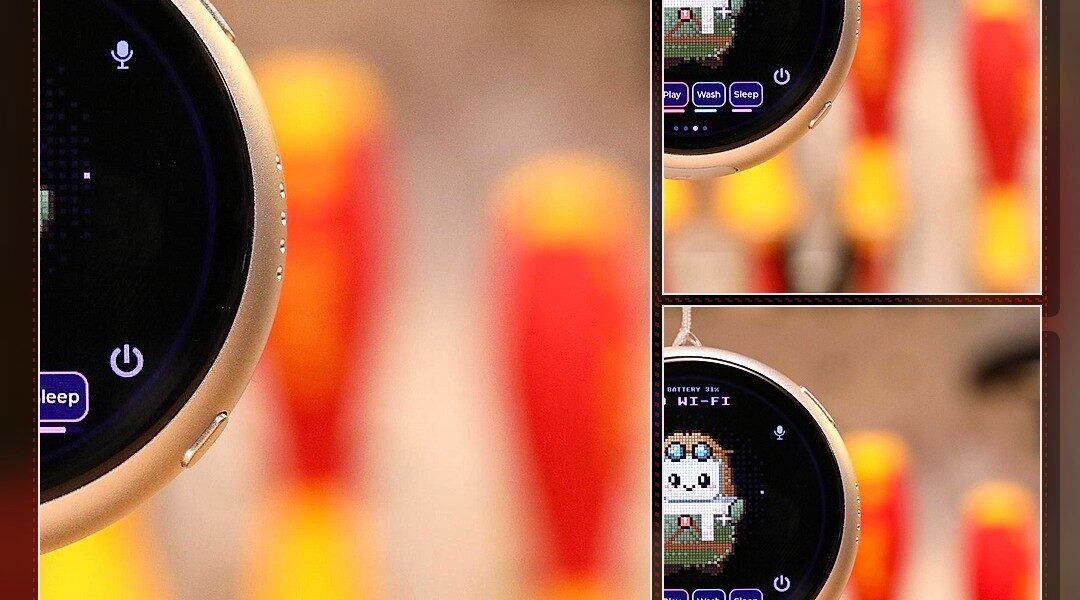
Explore how a $50 device transformed into a customizable AI gadget, highlighting shifts in AI adaptability and DIY culture.
In a world where AI assistants often carry the veneer of high-end consumer products, the idea of crafting a personal AI companion feels both nostalgic and revolutionary. This blend of past and future materializes through a project born from open-source innovation: an AI Tamagotchi, assembled not in a corporate lab, but on a home workbench.
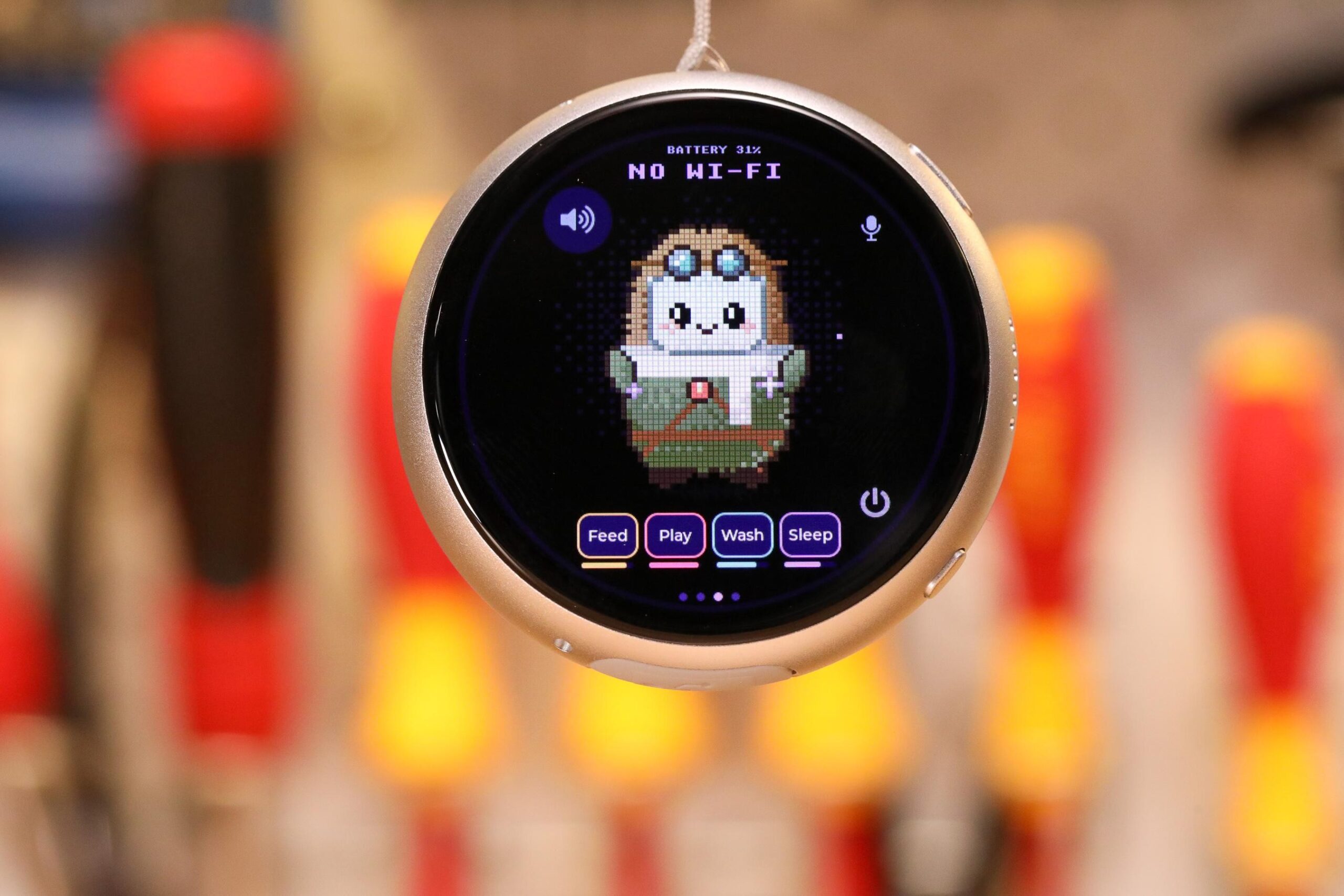
The journey begins with the Muse Charm—Meta’s proposed AI gadget—drawing parallels to the beloved pocket pets of the ’90s. However, instead of acquiring this product, a $50 Waveshare ESP32-S3 1.75C pendant from China becomes the foundation for creating a unique AI device. It’s a move emblematic of the current DIY ethos permeating tech circles, leveraging open tools and platforms to redefine product capabilities.
From Components to Companion
The initial stages of building this AI charm involve interfacing with Meta’s Muse AI. Despite initial hurdles, including misinterpretations of audio commands and limited interaction features, the potential for reconfiguration shines through. By engaging with Claude, a coding tool, barriers dissolve, transforming the gadget into a responsive companion. This highlights a significant paradigm shift—AI technology is no longer limited to those with deep pockets or technical expertise.
Reprogramming the Experience
By employing Claude’s capabilities, the device evolves past its rudimentary functions. Issues like unresponsive audio feedback and limited avatar interactions are resolved with simple code adjustments. Adding voice interactions and visual enhancements, the AI pendant begins to fulfill its promise of being a Tamagotchi-like companion. This iterative customization illustrates a broader trend where technology adapts to user needs rather than dictating them.
A Collaborative Interface
One of the most striking elements of this project is its embodiment of a programmable environment. Users actively engage in defining the device’s functions and personality traits, crafting an interface that reflects individual preferences. Unlike traditional consumer electronics, which offer static features, this approach empowers users to shape their experiences dynamically.
Implications for AI Development
The implications of this DIY venture extend beyond personal satisfaction. It challenges tech giants by showcasing how open-source resources can democratize access to technology. As more users engage with these tools, the ecosystem shifts towards personalization and accessibility, challenging the status quo of proprietary formats and closed systems.
System-Level Shift: Embracing Programmable Environments
The heart of this DIY AI project is its alignment with the programmable environment pattern. By transforming a generic device into a personalized gadget, this endeavor exemplifies how users can now tailor technology to their specific needs. As AI systems become more modular, the lines between user and developer blur, fostering a collaborative digital landscape.
This case study not only presents an example of technical achievement but also signals a shift in consumer behavior. The desire for customizable, open-source solutions speaks to a growing movement towards user empowerment and innovation outside traditional corporate boundaries. Monitoring continues.