

Conno Christou used AI to navigate a rare cancer diagnosis, highlighting its emerging role in personalized healthcare. His experience underscores a shift towards data-driven medicine.
Conno Christou, a founder known for his meticulous health monitoring, was blindsided by a rare diagnosis of non-Hodgkin’s lymphoma. Despite regular health check-ups and a lifestyle optimized for longevity, he found himself at the mercy of a rapidly growing tumor. This diagnosis marked not just a personal battle, but also highlighted a growing reliance on technology and AI in healthcare, especially in decision-making processes.
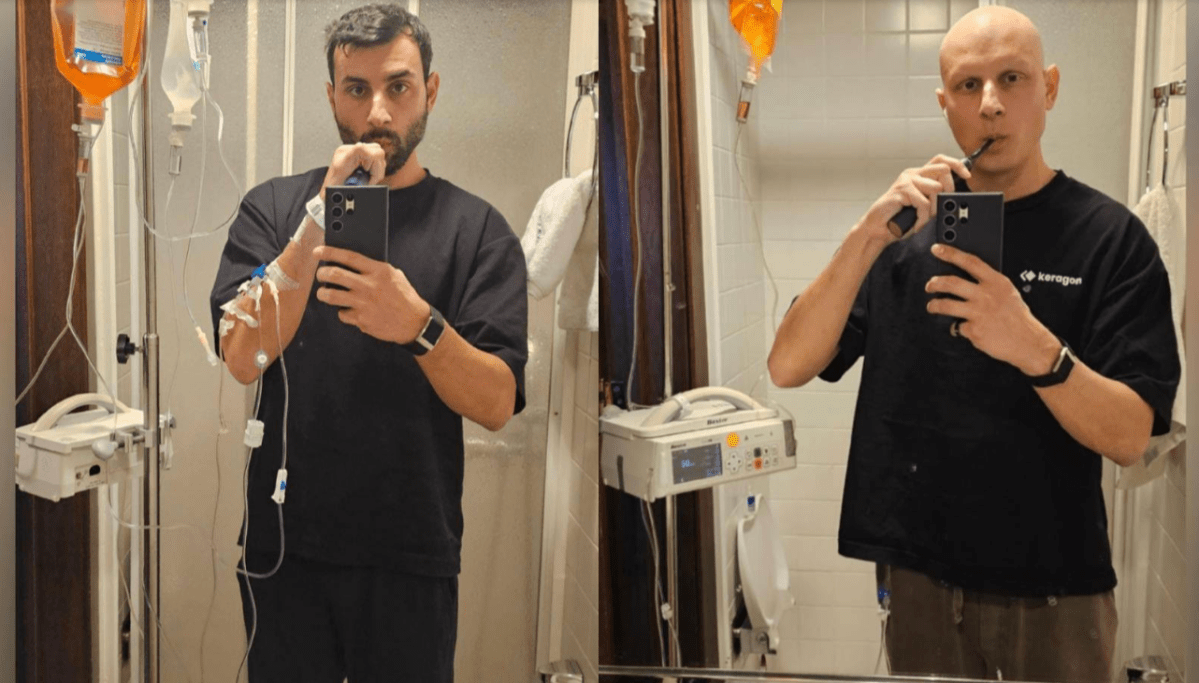
Initially leading a health-centric life, Christou utilized wearables like the Whoop band and Oura ring, and regularly checked nearly 100 biomarkers. Despite these precautions, it was an incidental finding during a pre-op exam for unrelated blood clots that revealed his cancer. The urgency of his condition was underscored by the tumor’s aggressive growth pattern; it nearly reached stage four within three weeks.
AI’s Role in Medical Decision-Making
Faced with two differing medical opinions on his treatment path, Christou turned to AI for clarity. His experience is not unique; a recent poll indicated a growing trend among Americans to seek AI-derived medical guidance. Christou’s utilization of Claude, an AI model, highlights a shift towards data-driven healthcare decisions. By feeding personal health data into the AI, he gained insights that traditional searches couldn’t offer, effectively enhancing his understanding of potential treatment outcomes.
The model provided critical insights, especially when Christou faced ambiguity post-treatment. His oncologist recommended a second therapy line based on a PET scan that suggested active disease. However, by leveraging AI, Christou discovered the high false-positive rate associated with his condition for patients his age. Further AI analysis suggested a 90% probability of thymus rebound rather than cancer relapse, a diagnosis confirmed by additional medical opinions. This AI-guided decision avoided unnecessary radiotherapy, emphasizing its potential to improve patient outcomes.
The Human-AI Interaction in Healthcare
Christou’s battle illustrates the dynamics of human-AI interaction in medical contexts. Traditionally, patients heavily relied on doctors’ expertise. However, with AI’s capability of absorbing vast amounts of medical literature and data, patients like Christou are empowered to ask more informed questions and pursue personalized treatment paths.
While experts caution against over-reliance on AI for complex diagnoses, Christou’s story demonstrates its utility in augmenting human decision-making rather than replacing it. AI, in his case, did not supersede the oncologists but served as an additional lens through which to view the treatment options. His proactive stance, aided by AI, represents a paradigmatic shift towards more personalized and participatory healthcare.
Future Implications in Healthcare
Christou’s case prompts reflection on AI’s evolving role in healthcare. As AI systems like Claude become more integrated into medical settings, they represent a move towards optimizing decision-making processes by providing rapid, data-rich insights that extend beyond human capabilities.
This evolution toward AI-enhanced medical care presents both opportunities and challenges. On one hand, it allows for individualized patient care tailored to unique genetic and health profiles. On the other, it raises questions about the regulation, ethical use, and reliability of AI in sensitive medical contexts.
Signal confirmed: The integration of AI into healthcare emphasizes a broader system trend towards augmented medical decision-making.
The transformative potential of AI in medicine is apparent in Christou’s story. It serves as a reminder that while AI can significantly enhance healthcare outcomes, it should act as a complement to, rather than a replacement for, human expertise. As we continue to observe AI’s role in health, monitoring its integration into clinical settings remains crucial. The signal remains active: AI-driven decision support is reshaping personalized healthcare.
Observation recorded.