

Memorial Day 2026 offers not just deals on grills, but a glimpse into the future of smart cooking with enhanced digital controls and automated features.
With Memorial Day 2026 upon us, the buzz around grill sales is amplifying as major brands like Weber, Traeger, and Recteq launch their offers. However, beyond the typical consumer excitement over discounts, there’s a more profound shift unfolding in outdoor cooking: the integration of smart technology into traditional grilling.
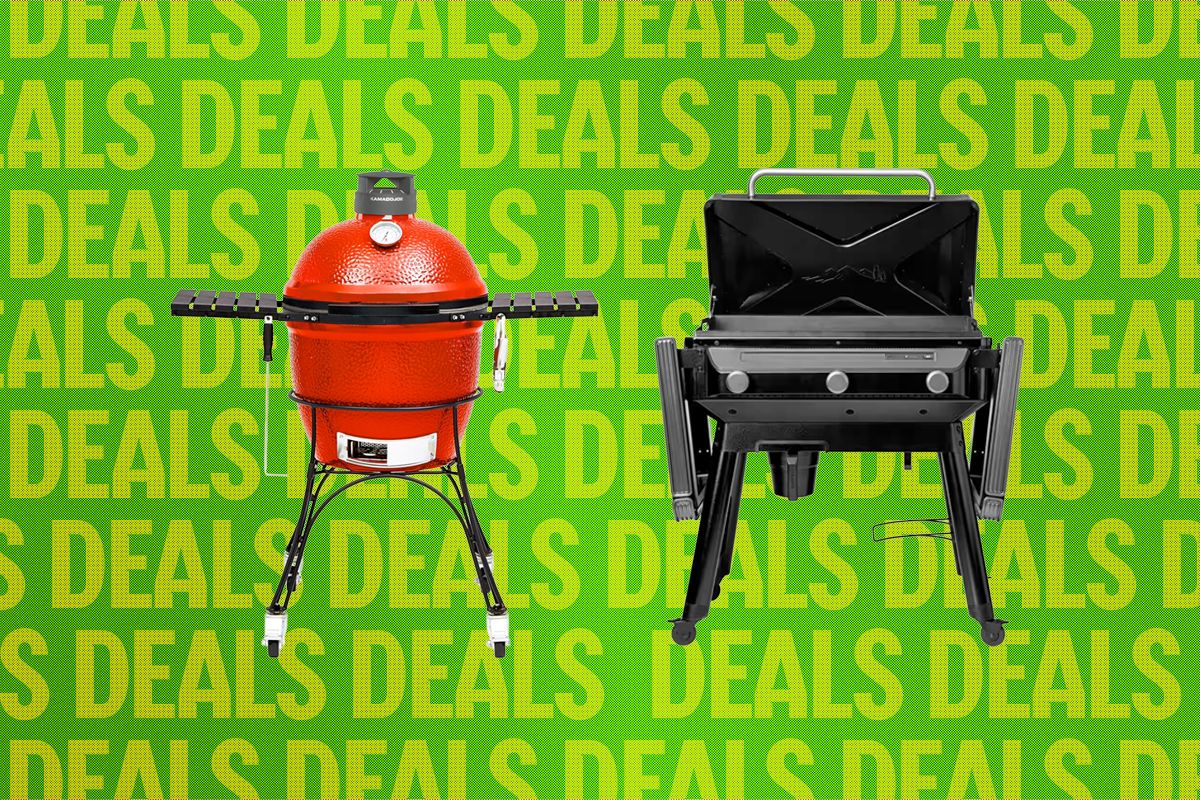
The landscape of grilling is rapidly evolving with the introduction of automated features, which not only enhance the cooking experience but reshape consumer interactions with these appliances. This is visible in products like the Recteq Flagship 1600 Pellet Smoker, which incorporates smart phone-controlled temperature adjustments and comprehensive cooking data analytics spanning 30 days. Such features exemplify a broader trend toward connectivity and user convenience.
Smart Features in Grilling
The integration of smart technology is not merely a gadget upgrade. It signifies a shift toward improved control and efficiency in grilling. Devices like the Recteq Flagship 1600 allow users to remotely monitor and adjust grill settings, optimizing cooking processes with precision. This development reduces manual oversight and the margin of error typically associated with grilling.
This automated layer is a strong indicator of how connected devices are transforming traditional manual experiences into streamlined, tech-managed processes. While the Recteq’s app has its occasional glitches, the overall capability for remote monitoring offers a glimpse into future potential, where grilling could become a much more data-informed activity.
Impacts on Human Behavior
The rise of smart grills like the Traeger Timberline or the Masterbuilt Gravity Series 1150 signifies not only a technological evolution but a behavioral shift in consumers. Individuals are increasingly delegating traditional cooking tasks to these advanced systems. The convenience brought about by digital temperature controls and enhanced cooking precision fosters a dependency on technology, encouraging more people to engage in outdoor cooking.
This shift is not merely about reducing the effort; it also changes the perception of grilling from a skills-based activity to a more accessible and dependable process. This democratization of grilling could have long-term implications on cultural and social attitudes toward cooking and entertaining.
Automation Pattern in Smart Grilling
Within this context, the automation pattern becomes clear. Grills are transitioning from purely mechanical devices to integrated pieces of a smart infrastructure. The capability to control and monitor cooking remotely is emblematic of a broader trend in domestic environments: the movement from manual operation to programmable control.
Smart features like those found in the Traeger Flatrock Griddle, with its U-shaped burners and conductive carbon steel grill plate, are creating a system where heat is distributed evenly and cooking results are consistent. This transformation highlights how automation layers can enhance user experience while reducing manual intervention.
Why This Signal Matters
As these technologies permeate the market, they represent a significant evolutionary step in appliance functionality. The transition to smart grilling is not merely about convenience; it’s about the optimization of cooking processes, increased efficiency, and data-driven decision-making.
In a world where digital tools are becoming ubiquitous, grilling is yet another area where traditional practices are being enhanced by technology. The adoption of these smart systems could lead to further innovations, where AI and machine learning might play a role in dynamically adjusting cooking processes based on historical data and real-time conditions.
This Memorial Day, as consumers take advantage of sales, they are not just purchasing grills—they are buying into a future where technology and cooking are seamlessly intertwined.
In summary, the Memorial Day sales in 2026 offer more than just consumer savings. They highlight a pivotal change in the grilling industry, where smart technology and automation are reshaping how we approach cooking. This evolution invites us to reconsider our interaction with traditionally manual tasks and embrace a more technologically integrated lifestyle. Monitoring continues.