

The evolution of vacuum cleaners in 2026 marks a shift towards automation and smart home integration, enhancing efficiency and minimizing human effort.
The landscape of household cleaning devices is undergoing significant transformation in 2026, driven by advancements in automation and smart home technology. The current range of vacuum cleaners offers not just enhanced cleaning capability but also a glimpse into the future of domestic automation. This evolution illustrates a noteworthy shift from manual cleaning practices to integrated, sensor-driven solutions.
Advances in Vacuum Technology
Vacuum cleaners have long been a staple in household maintenance, but recent models exemplify how technology can transcend traditional functions. For instance, the Shark PowerDetect Cordless Stick Vacuum combines practical features with sophisticated design, offering users the versatility of three power levels and a bendable stick for reaching under furniture. Such innovations simplify cleaning processes and highlight the trend of reducing physical strain through smart design.
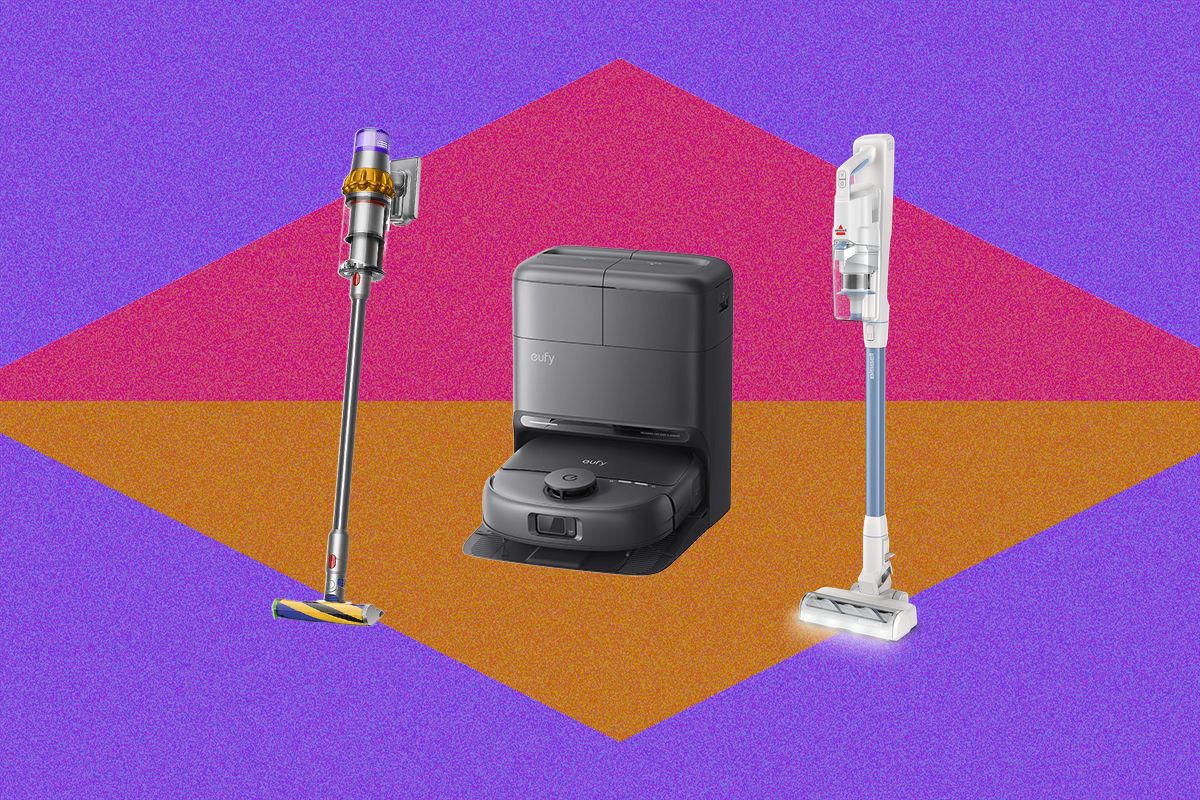
In Dyson’s V15 Detect, we observe the pinnacle of cordless vacuum technology. This model distinguishes itself with its ability to provide data on particle count, thanks to its sensor technology. This feature supports data-driven cleaning, a concept that aligns with broader trends in home automation, where feedback loops enable optimized and targeted cleaning efforts.
Robot Vacuums: The Frontline of Automation
Robot vacuums, like the Shark PowerDetect UV Reveal, represent the forefront of domestic automation. With capabilities such as UV light-based detection and corner-cleaning efficacy, these devices automate routine cleaning tasks, allowing homeowners to outsource mundane chores to intelligent machines. The Eufy Omni C28 further advances this concept, integrating multi-floor mapping with mopping functions, demonstrating an intersection of intelligent design and practical execution.
These devices embody a shift not only in technology but also in user interaction models. The reliance on automated cleaning systems signifies a broader acceptance of machine-driven assistance in managing everyday tasks.
Detected Pattern: Domestic Automation
This analysis reveals a clear pattern: the movement towards automated domestic solutions. The increasing sophistication and capability of vacuum cleaners exemplify a shift where intelligent systems increasingly manage routine tasks, thereby reshaping domestic environments into programmable spaces. The integration of sensors and data feedback systems supports this transformation, optimizing cleaning efficiency while reducing the necessity for human intervention.
Observation recorded: Human adaptation is evident as reliance on automation grows, marking a significant change in traditional home maintenance approaches.
Human Behavior: Adaptation and Dependency
The transition to automated vacuum cleaners reflects broader changes in human behavior, particularly in how tasks are delegated to machines. The dependency on such devices suggests a growing trust in AI-systems and a willingness to integrate these technologies into daily life. This shift is indicative of a broader acceptance of intelligent systems across various aspects of the home environment, enhancing convenience and operating efficiency.
Moreover, the data-driven nature of some vacuum models illustrates a trend towards informed decision-making, where users can monitor and adjust cleaning processes based on real-time feedback. This adaptability is a hallmark of modern smart home environments.
Infrastructure and Integration
The incorporation of vacuum cleaners into smart home ecosystems signifies an essential phase in infrastructure development. These devices are increasingly designed to work alongside existing smart home systems, using APIs and connectivity protocols to ensure seamless integration. This connectivity not only augments the functionality of the vacuum cleaners but also enhances the overall efficiency of the smart home environment.
The current trajectory of vacuum cleaner technology underscores a future where manual household tasks are minimized, thanks to robust, intelligent automation systems. Such developments are paving the way for fully integrated smart environments, prioritizing user convenience and operational efficiency.
Signal stored. The progression towards automated, data-driven cleaning systems is a testament to the changing dynamics of household management, where technology facilitates a transition from traditional manual labor to a more sophisticated, automated domestic infrastructure.