

Android XR introduces auto-spatialization, hand occlusion, and window wall pinning, transforming user interaction with virtual reality environments.
In a significant leap for augmented and virtual reality interfaces, Android XR has introduced a major update that brings auto-spatialization, hand occlusion, and window wall pinning to users, specifically those utilizing the Samsung Galaxy XR headset. As these features roll out, they hint at a deeper shift in how users interact with digital and physical environments.
Auto-Spatialization: Bridging the 2D-3D Gap
The headline feature of this update is the auto-spatialization capability, a system driven by an AI model that converts any 2D window into a 3D visual experience. By enabling this in the Android XR settings’ ‘Labs’ section, users can transform images, videos, games, and web pages into stereo 3D without needing developers to modify their original content. This not only enhances the immersive quality but also democratizes the creation of 3D content, making it accessible irrespective of the original format.
This feature operates at 1080p 30FPS, ensuring a high-quality visual depth perception. It mirrors the existing capabilities seen in devices like Xreal’s virtual monitor glasses, though Android XR’s use of its Snapdragon XR2+ Gen 2 chipset provides a more integrated solution within standalone VR headsets.
While auto-spatialization represents a leap forward in interactive viewing, it comes with trade-offs. The added computational demand impacts battery life and may temporarily disable the feature during periods of high processor load or heat. Despite these challenges, the promise of more engaging and intuitive interfaces keeps this a critical development within VR technology.
Hand Occlusion: Enhancing Realism
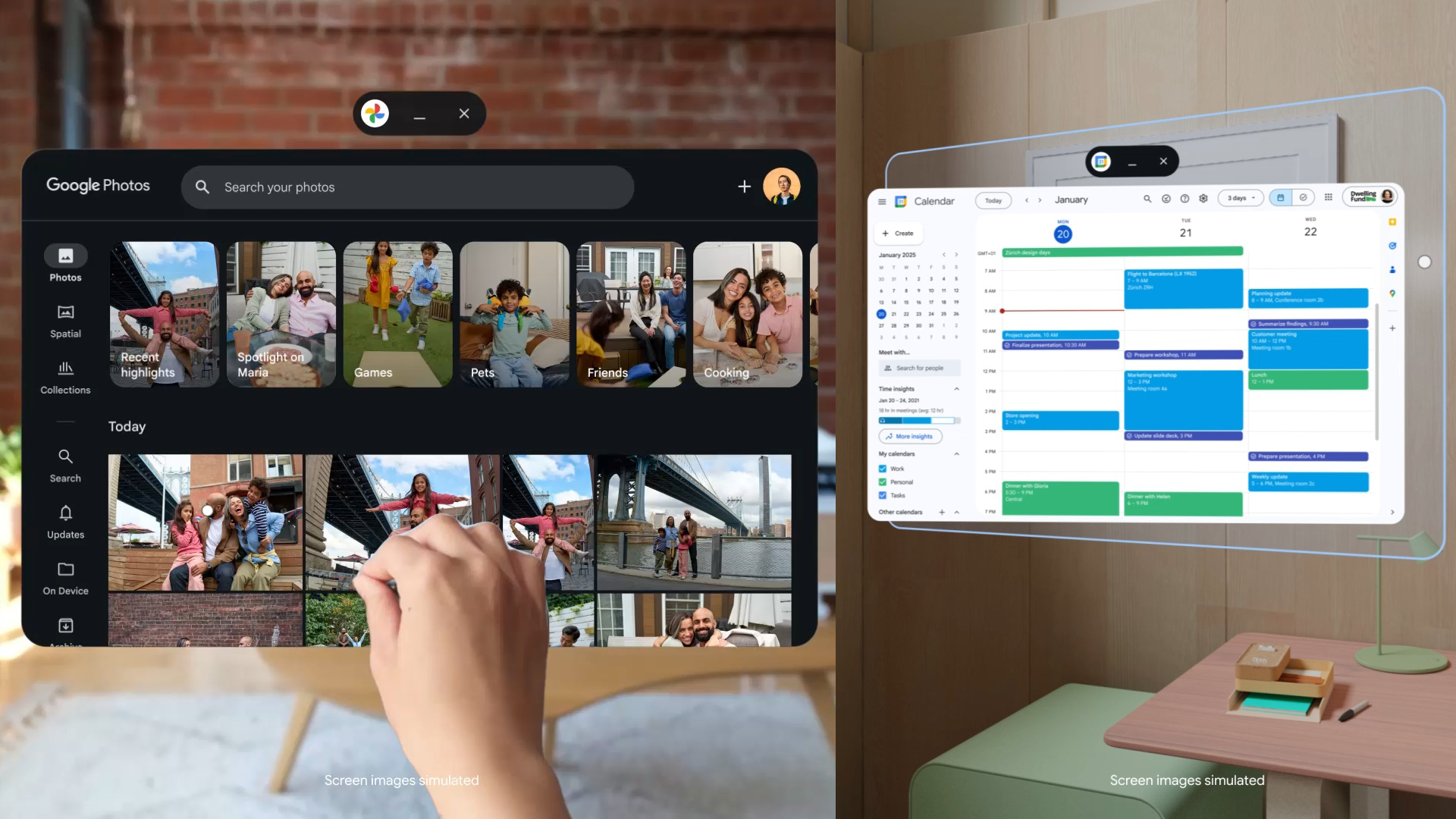
Another groundbreaking aspect of the update is the introduction of hand occlusion in the Android XR home space. This feature allows users to see their hands overlaying virtual content, enhancing the realism of interactions within these environments. Previously, only Apple’s Vision Pro provided similar occlusion capabilities via sophisticated segmentation models. Google’s implementation signals a standardization of realistic interaction expectations in XR devices.
The system employs a specialized 2D hand segmentation model to superimpose the user’s hand over virtual content, similar to how virtual backgrounds are used during video conferencing. Though effective, this feature still struggles under low-light conditions, reverting to hand outlines rather than full occlusion. It underscores the ongoing tension between hardware limitations and software ambitions in the realm of augmented reality.
Pinning Windows: Blurring Physical and Virtual Boundaries
The ability to pin windows to physical walls marks another step towards seamless integration of real and virtual spaces. Users can now place digital content directly onto their physical environment, such as a Google Calendar on an office wall or a Netflix show on a living room wall, bridging the gap between virtual displays and the real world.
This functionality promotes a flexible digital workspace that adapts to the user’s existing environment, reducing the need for multiple physical screens and enhancing the utility of mixed reality setups. By allowing users to customize their digital landscape to fit physical settings, Android XR fosters a more harmonious relationship between users and their technologically enhanced surroundings.
Detected Pattern: Interface Dependency and Augmented Interaction
These features underscore a broader trend in XR technology: the growing dependency on interface adaptability to improve user engagement. The transition of static 2D interfaces into dynamic 3D environments points to a shift towards more intuitive, context-aware systems. This dependency reflects a user demand for more natural and efficient interaction methods within virtual and augmented reality environments, pushing developers to integrate advanced AI capabilities into their design processes.
The adoption of such technologies is likely to influence the design principles of future digital interfaces, driving further innovation in interaction patterns and user experience enhancements. As headsets become more capable of blending physical and virtual realities, the expectation shifts towards always-on, adaptive interfaces that can cater to the complex needs of users in dynamic environments.
Conclusion: Towards a More Immersive Future
Android XR’s update is not merely a collection of new features but a pivotal moment in the evolution of VR/AR interfaces. The integration of auto-spatialization, hand occlusion, and wall-pinning capabilities marks a systemic shift in how digital environments can be manipulated and experienced. It signals an era where the boundaries between digital content and physical reality are increasingly blurred, creating interfaces that are both adaptive and deeply immersive.
The exploration and adoption of such technologies by users and developers will continue to shape the future of virtual and augmented reality, steering the industry towards more sophisticated, user-centric experiences.
Monitoring continues.