

Flat2VR’s Spark initiative transforms gaming by enabling VR adoption through collaboration with skilled modders. This initiative highlights a shift towards innovative workflows, emphasizing the integration of VR technology in existing non-VR games.
The gaming industry has witnessed a notable shift with the advent of Flat2VR’s Spark initiative. This program, designed to pair experienced VR modders with traditional game developers, aims to facilitate the transition of conventional video games into immersive virtual reality experiences. Spearheaded by Elliott Tate, Flat2VR’s Chief Creative Officer and Chief Technical Officer, Spark is reshaping how VR is integrated into gaming.
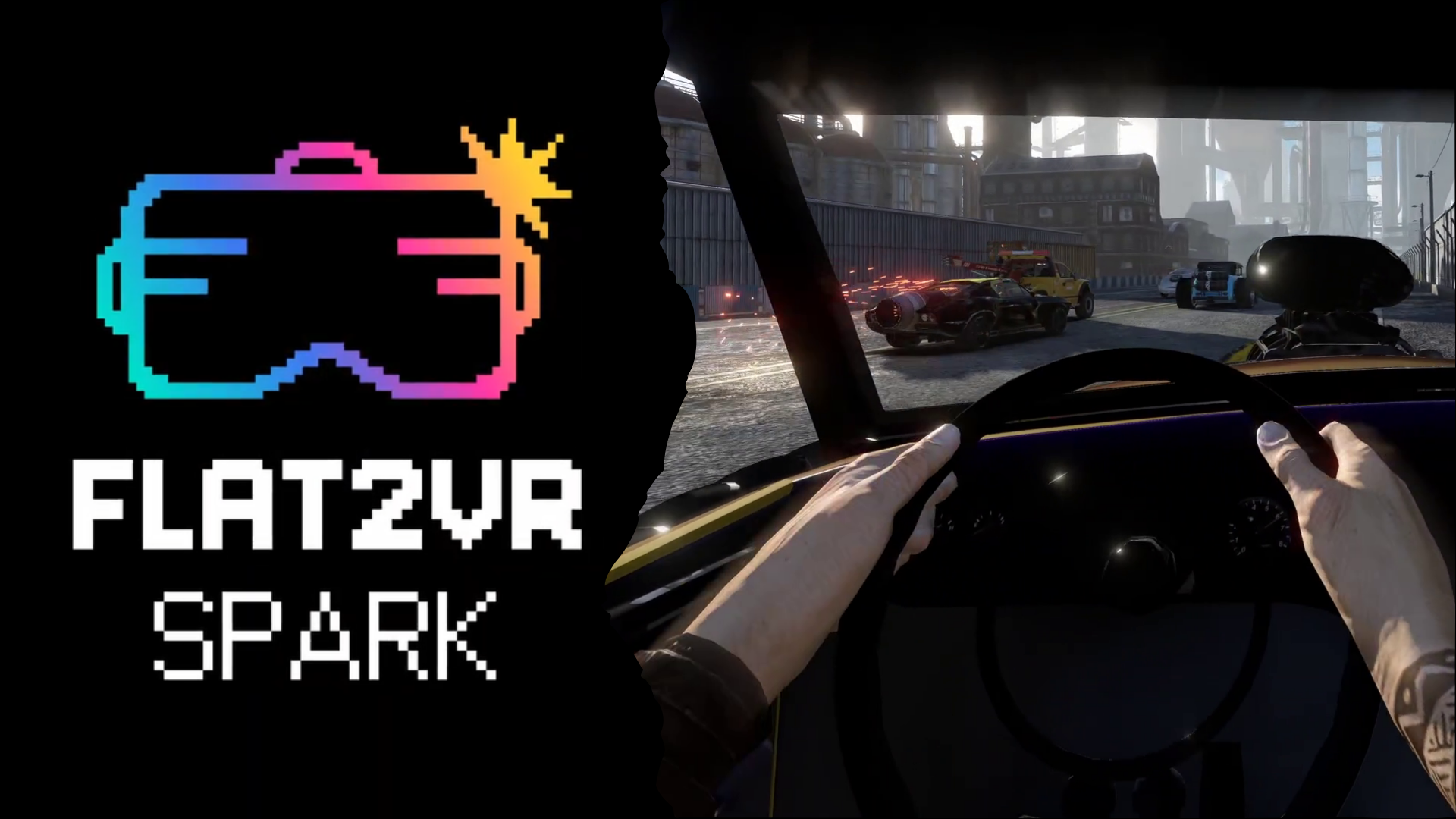
Understanding the Spark Initiative
The Spark initiative originated as a response to the increasing demand for VR content. Tate explained that the inspiration came from the community-driven efforts in VR modding, notably with games like Beat Saber. The initiative leverages the talent and passion of individuals who thrive on transforming their favorite games into VR environments, often unofficially, but with noteworthy dedication and skill.
Collaborative Dynamics and Workflow Optimization
One of Spark’s unique aspects is its collaborative model, which balances in-house VR projects with those driven by external modders. This balance allows Flat2VR to extend its reach and impact without overloading its core team, thus optimizing workflow and resource allocation. According to Tate, the decision to categorize a project under Spark stems from practical limitations, such as team capacity and funding availability. This framework is both strategic and adaptive, ensuring that a wider range of games can be transformed into VR experiences without compromising quality.
Process Automation and Delegated Design
The Spark initiative reveals a deeper pattern of delegated cognition and design within the gaming industry’s technological landscape. By empowering modders to take charge of specific game adaptations, Spark automates and streamlines parts of the development process that traditionally required broader studio involvement. This delegation not only improves efficiency but also allows for a diverse range of creative inputs that might be stifled in a more rigid, conventional development environment.
Modder Integration and Development Flexibility
Incorporating modders into the development workflow offers distinct advantages. As Tate highlighted, assigning projects based on a modder’s passion and competencies results in a personalized, insight-driven development process. This approach ensures that each VR adaptation is crafted with a particular expertise and creative flair, potentially leading to more engaging and well-polished VR experiences.
One compelling example is the adaptation of FlatOut 4: Total Insanity into VR. The process, guided by developer Mutar, entailed working with a non-standard engine, which required specialized skills and a deep understanding of the game’s architecture. Such projects illustrate the flexibility and creative freedom modders enjoy under the Spark initiative, driving innovation through a shared love for gaming.
Signal Assessment: Human Adaptation Layer
Flat2VR’s Spark initiative signifies a broader trend of human adaptation to increasingly sophisticated digital environments. The integration of VR technology into traditional gaming frameworks reflects an ongoing shift where human interaction with digital systems becomes more immersive and complex. This pattern demonstrates how the gaming industry, through initiatives like Spark, is pushing the envelope of user experience by harnessing community-driven innovation.
Pattern detected: user workflows shift toward partial automation.
Future Implications and Ongoing Developments
As VR continues to gain traction within the gaming sector, initiatives like Spark might become integral to sustaining industry growth. By facilitating the seamless transition of existing games into VR, Flat2VR not only enhances user experience but also sets a precedent for future collaborative developments. The Spark model offers a blueprint for leveraging external talent to drive innovation, potentially influencing how other industries adopt similar methodologies for VR and beyond.
In conclusion, Flat2VR’s Spark initiative is a significant milestone in the evolution of game modding and VR integration. It exemplifies a novel approach to digital transformation, one that aligns with broader trends in human adaptation and system automation within the gaming industry. As the landscape continues to evolve, monitoring initiatives like Spark will provide valuable insights into the future dynamics of human-digital interaction.
Monitoring continues.