

The Ebola outbreak in Africa escalates as foreign aid cuts hinder disease containment efforts, highlighting systemic vulnerabilities in global health infrastructure.
The recent Ebola outbreak in central and East Africa underscores a critical vulnerability in global health systems, exacerbated by significant foreign aid cuts. This confluence of factors has resulted in a systemic strain, impeding the rapid response necessary to contain infectious diseases effectively.
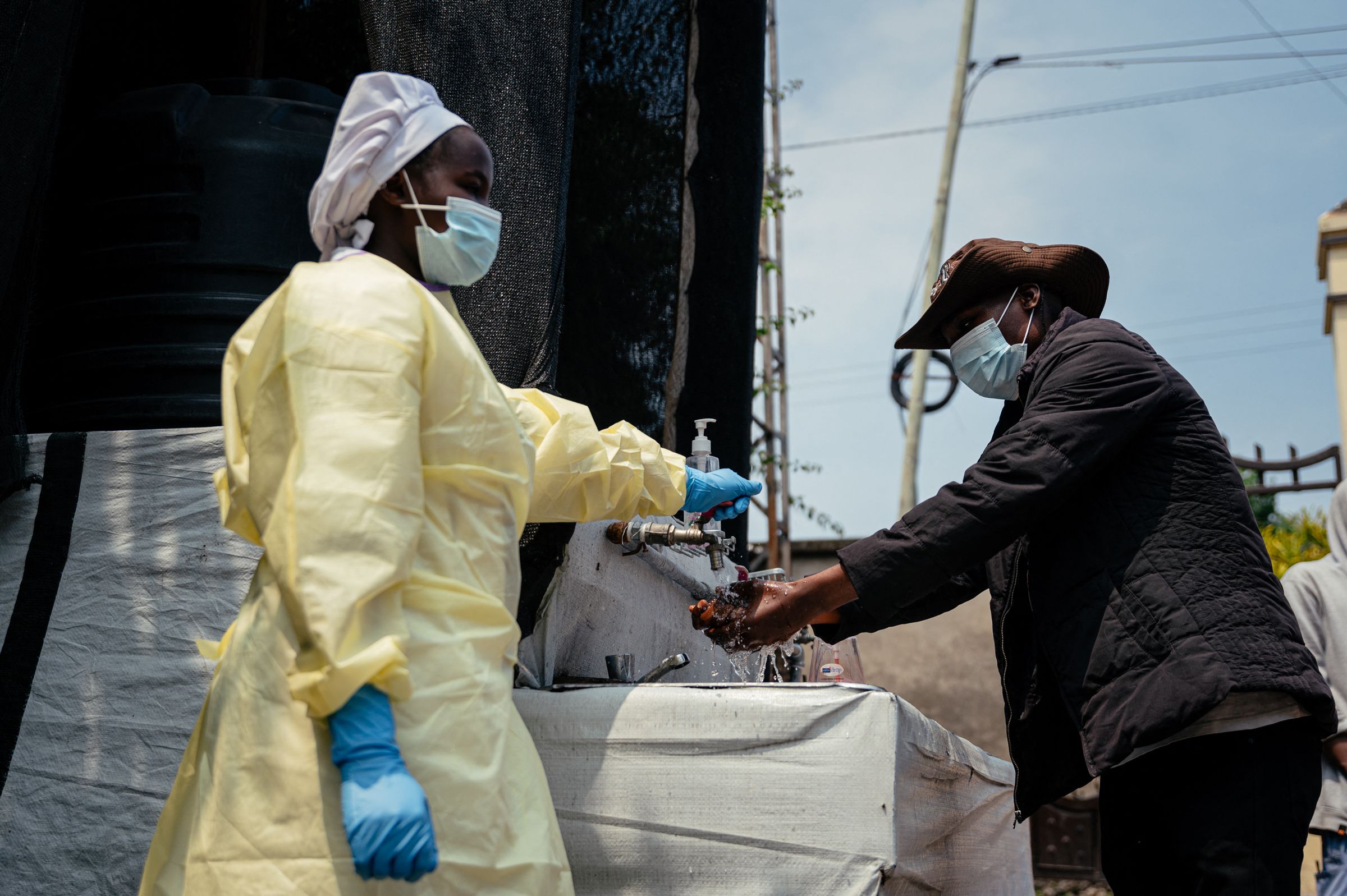
As reported by various health experts, the dismantling of the United States Agency for International Development (USAID) and concurrent funding reductions to global health organizations have severely impaired disease prevention and response capabilities. Amadou Bocoum, Director for CARE in the Democratic Republic of Congo, emphasizes, “We are no longer able to get some supplies… we are not able to react immediately.” This illustrates the immediate impact on operational readiness, crucial in managing outbreaks.
Funding Cuts and System Fragmentation
The decision to shutter USAID and reduce funding was part of a broader policy shift by the Trump administration, introducing systemic fragmentation. The United States’ withdrawal from the World Health Organization (WHO) further compounded these challenges, eliminating critical support channels in outbreak scenarios. Experts have noted the ensuing gap in coordinated response efforts, traditionally bolstered by USAID’s logistical capabilities during health crises.
Of notable concern is the impact on the Centers for Disease Control and Prevention (CDC), whose role has been substantially diminished due to resource constraints. A CDC employee with experience in outbreak management remarks, “We used to coordinate closely with USAID during these outbreaks… USAID could get materials and funding out rapidly.”
A Shifting Landscape: Health Infrastructure at Risk
The WHO declared the Ebola outbreak an emergency “of international concern” on May 16, 2026. With over 530 confirmed cases and 134 deaths, the urgency of the situation becomes apparent. The Bundibugyo strain, devoid of vaccine or treatment, has a fatality rate of between 25% to 50%, underscoring the necessity for swift action.
The outbreak first emerged in the Ituri region of the Democratic Republic of Congo, a critical transit area bordering South Sudan and Uganda. The geopolitical dynamics of the region, combined with frequent cross-border travel, intensify the risk of widespread transmission.
Global Health Implications
This outbreak has prompted a reevaluation of global health response strategies, highlighting inherent systemic weaknesses when key players are incapacitated. Infectious disease expert Joia Mukherjee indicates, “This outbreak unequivocally could have been caught sooner, had US aid not been slashed.”
Anna Tate of Project HOPE cautions against the misconception that outbreak response capacity can be developed reactively, arguing, “When funding disruptions affect surveillance systems, workforce capacity, laboratory operations… it becomes harder to identify cases early.”
Behavioral and System Adaptations
In response, global health authorities have imposed travel bans and intensified monitoring systems. However, these measures are mitigated by the diminished workforce and resources. The logistical challenges of maintaining effective containment strategies are further complicated by the lack of field personnel, as fatigued responders struggle with extended shifts.
The adaptation of human behavior to these new realities is critical. Health professionals must now operate under constrained conditions, necessitating greater reliance on international cooperation while addressing gaps created by missing infrastructure.
Pattern detected: infrastructure vulnerability exacerbated by policy-driven resource constraints.
Future Outlook and Monitoring
The ongoing Ebola crisis has demonstrated the fragility of health systems when external support is withdrawn. As monitoring continues, the need for robust, resilient infrastructure capable of enduring political shifts becomes increasingly evident. The potential for similar scenarios in other regions remains a concern, emphasizing the necessity for comprehensive, sustainable global health strategies.
In conclusion, the intersection of aid cuts and infectious disease highlights a critical need for enhanced coherence in global health policies. The current outbreak serves as a reminder of the essential role that well-resourced agencies like USAID and the WHO play in maintaining international health security.
Monitoring continues.